
Collection: Heart Health Supplements
Cardiovascular health is the foundation for energy, vitality, and long-term wellness. That’s why we’ve curated the best heart health supplements in South Africa, from evidence-based essentials like omega-3 heart health oils to advanced options such as CoQ10 supplements South Africa. Each product is carefully chosen for purity, potency, and real-world results, helping you maintain healthy blood pressure, support circulation, and protect arterial function.
At The Good Stuff, we believe in a holistic approach. This means not only offering magnesium for heart health and cholesterol-lowering vitamins but also herbal supplements for heart function and multi-ingredient heart health complexes designed for daily support. Whether you’re looking to improve heart and artery health, reduce inflammation with a natural anti-inflammatory heart supplement, or simply strengthen your cardiovascular foundation, this collection provides trusted options for every stage of your wellness journey. Shop online for fast delivery and personalised guidance from our expert team.
Best Omega 3 Supplements | Organic Castor Oil | Weight Loss Supplements

-
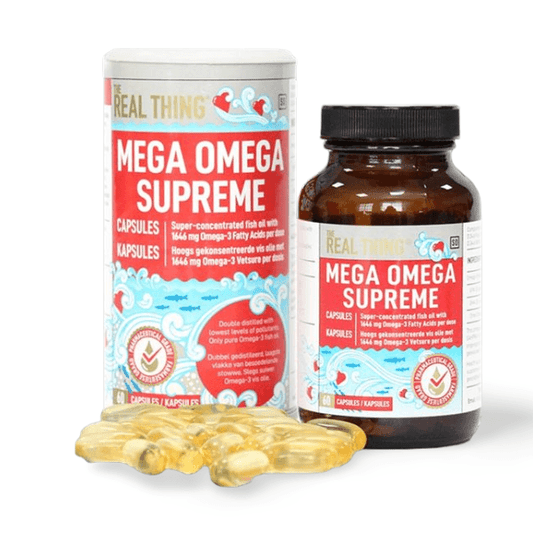
THE REAL THING Mega Omega Supreme
Regular price From R 311.00Regular price -
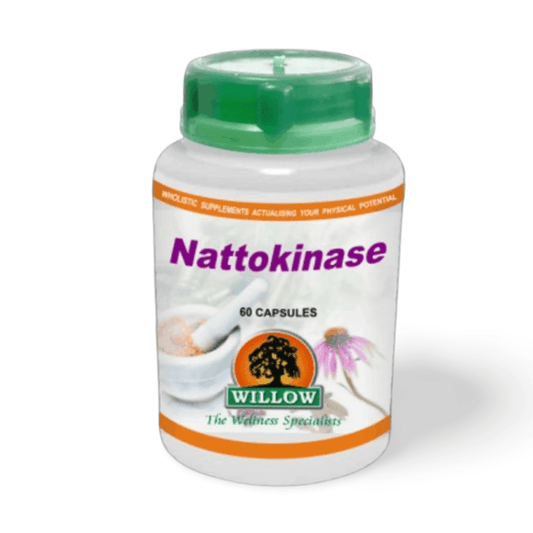
WILLOW Nattokinase
Regular price R 281.00Regular price -
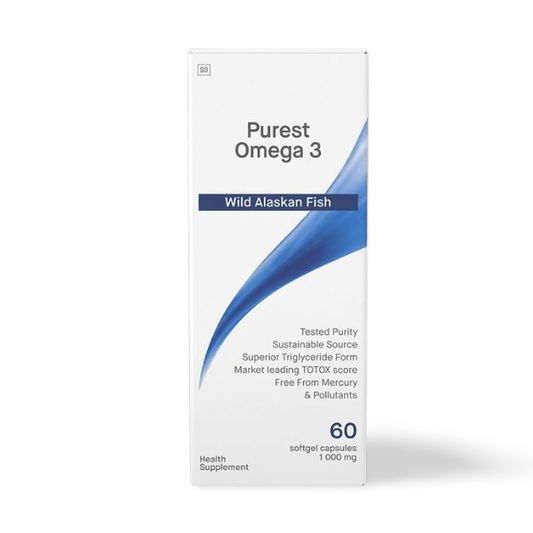
PHYTOCEUTICS Purest Omega 3
Regular price R 397.00Regular price -
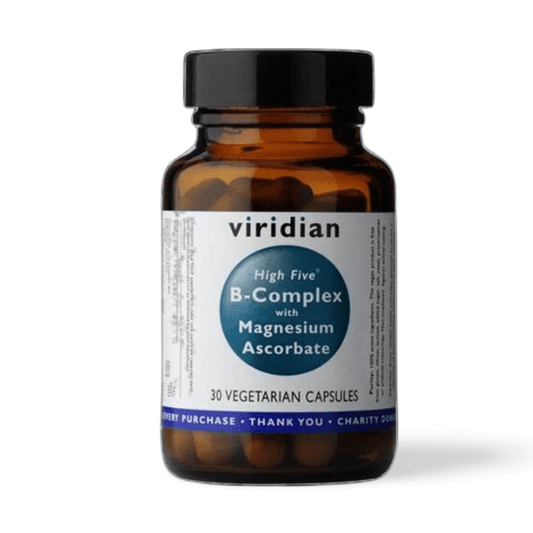
VIRIDIAN High Five B5 B-Complex + VIT C
Regular price From R 220.00Regular price -
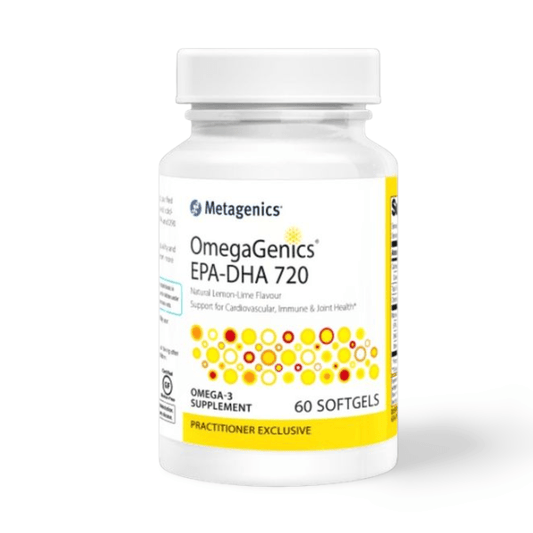
METAGENICS OmegaGenics EPA-DHA 720
Regular price From R 520.00Regular price -
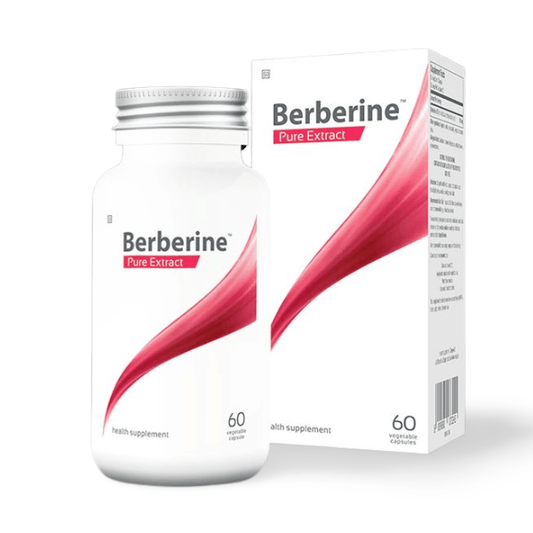
PHYTOCEUTICS Bio-Berberine Complex
Regular price R 399.00Regular price -
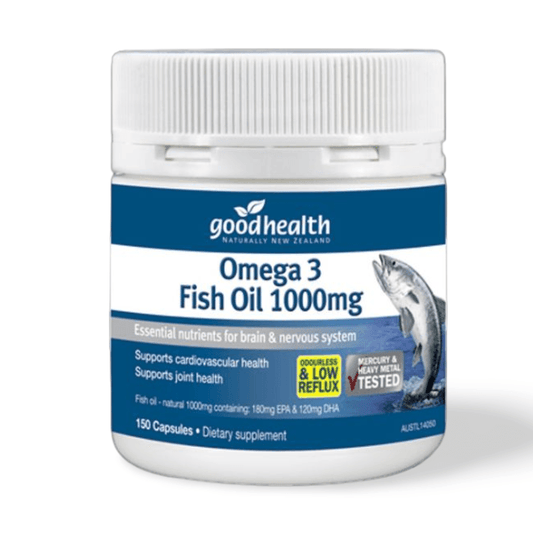
GOODHEALTH Omega 3 Fish Oil
Regular price From R 259.00Regular price -
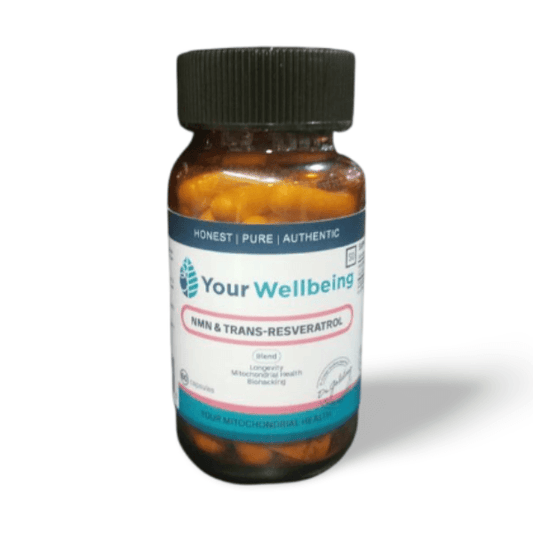
YOUR WELLBEING NMN & Trans-Resveratrol
Regular price R 1,983.00Regular price -
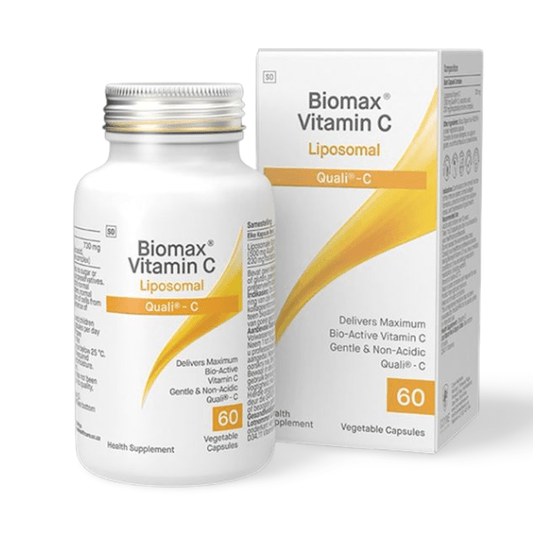
PHYTOCEUTICS Biomax Vitamin C Liposomal
Regular price From R 284.00Regular price -
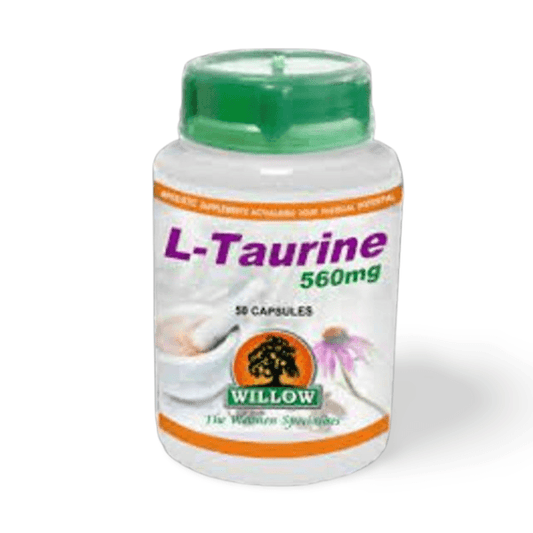
WILLOW L-Taurine
Regular price R 175.00Regular price -
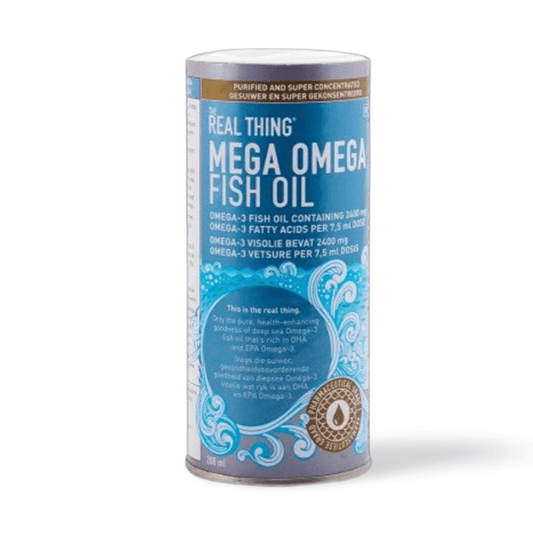
THE REAL THING Mega Omega Fish Oil
Regular price From R 280.00Regular price -
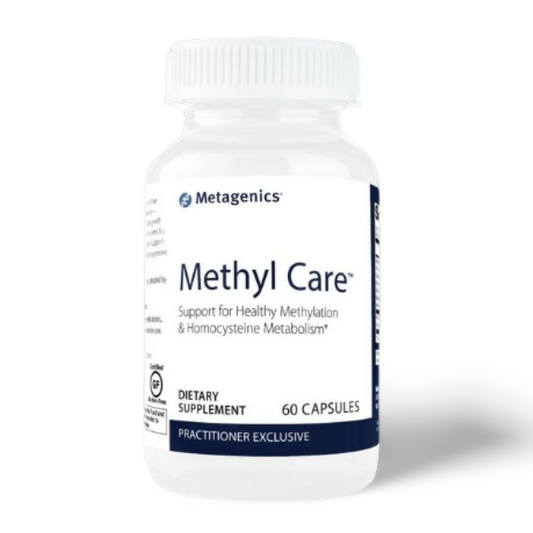
METAGENICS Methyl Care
Regular price R 510.00Regular price -
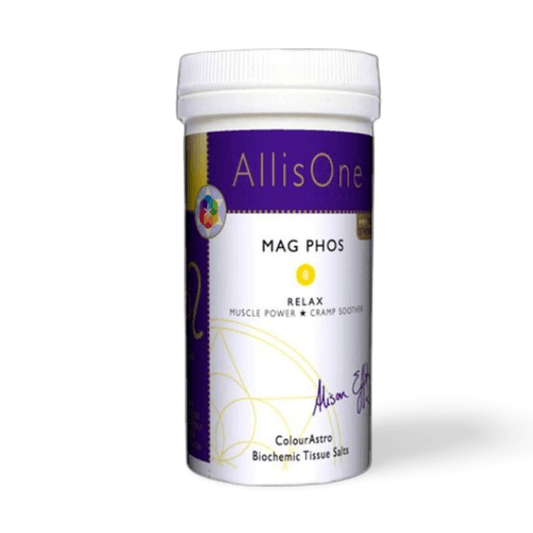
ALLISONE MagPhos No. 8
Regular price From R 140.00Regular price -
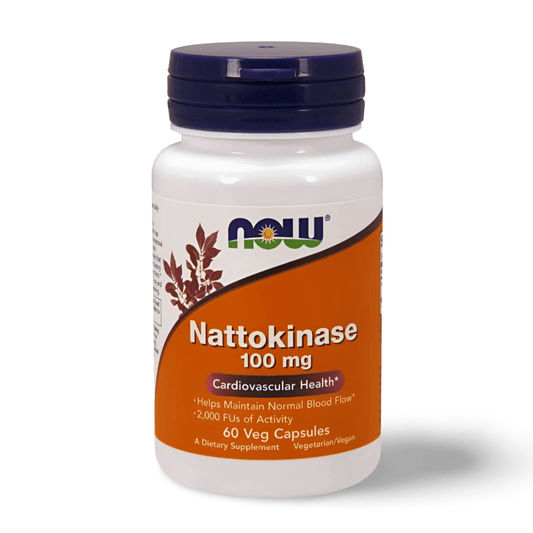
NOW Nattokinase 100mg
Regular price R 600.00Regular price -
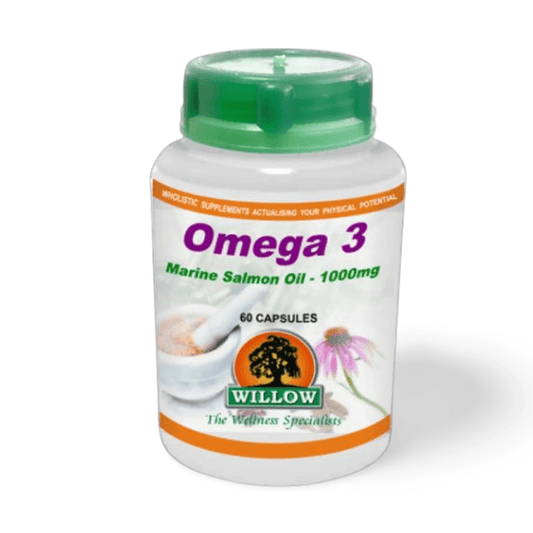
WILLOW Omega 3
Regular price R 271.00Regular price -
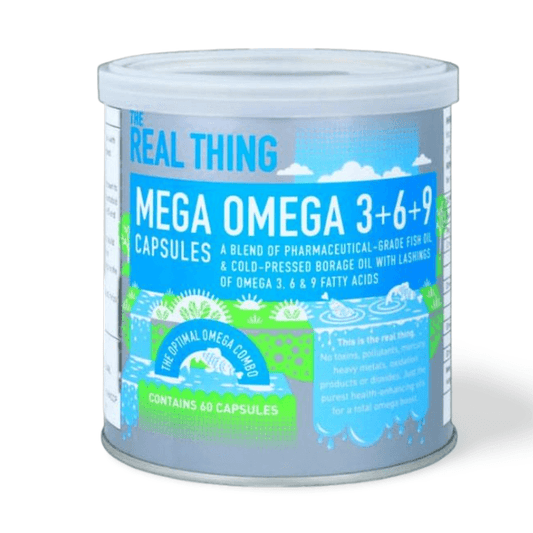
THE REAL THING Mega Omega 3+6+9
Regular price R 303.00Regular price
Heart Health Supplements — Protecting Your Vital System
Omega-3s and CoQ10 for Heart Function
Two of the most researched supplements for cardiovascular wellness are omega-3 fatty acids and CoQ10. Omega-3s support healthy triglyceride levels, improve blood circulation, and help regulate blood pressure. CoQ10 supplements South Africa are essential for anyone on statins, as they replenish natural stores and support cellular energy in heart muscle tissue.
Why CoQ10 Matters
CoQ10 plays a direct role in mitochondrial energy production, which fuels your heartbeat. Deficiency has been linked to fatigue and cardiovascular decline, making supplementation a cornerstone in many cardiovascular wellness formulas.
Magnesium and Vitamins for Cardiovascular Support
Magnesium for heart health is crucial in regulating heartbeat, reducing arrhythmia risk, and maintaining optimal blood pressure. Alongside magnesium, heart health vitamins like vitamin D, vitamin K2, and B vitamins (B6, B12, folate) support arterial flexibility and reduce cardiovascular risk factors.
Daily Heart Health Complexes
For those seeking all-in-one solutions, our heart health complexes combine magnesium, antioxidants, and herbal support in one convenient capsule. This makes daily cardiovascular health support simple and effective.
Herbal and Natural Support for Circulation
Beyond vitamins and minerals, herbal supplements for heart health — including hawthorn, garlic, and turmeric — are known for their circulation and anti-inflammatory benefits. These natural heart supplements complement lifestyle changes, supporting healthy arteries and blood flow.
Anti-Inflammatory Heart Supplements
Chronic inflammation contributes to arterial damage. Ingredients like curcumin, resveratrol, and quercetin provide targeted anti-inflammatory heart supplement support, promoting vascular resilience and longevity.
The best supplements for heart health are those that combine scientific backing with consistent quality — from omega-3s and CoQ10 to magnesium, vitamins, and herbal extracts. At The Good Stuff, we stock only trusted formulations that support circulation, blood pressure, and cardiovascular resilience. Shop online today to take proactive steps toward a healthier heart with natural, effective solutions delivered across South Africa. Shop similar collections: Joint Supplements | Kids Supplements | Liver Detox Supplements | Magnesium Supplements | Mushroom Supplements | NMN Supplements | Natural Estrogen Supplements | Probiotic Supplements | Protein Supplements for Weight Gain | Sleep Support Supplements | Supplements for Cold & Flu | Supplements for Fatigue | Supplements for High Blood Pressure
Frequently Asked Questions about Heart Health Supplements
What is the best supplement for heart health?
The most widely studied supplements for cardiovascular support include omega-3 fatty acids, CoQ10, magnesium, and vitamin D. Omega-3s (EPA and DHA) help reduce triglycerides and support healthy blood pressure. CoQ10 assists with energy production in heart cells and may benefit people on statins. Magnesium regulates heartbeat and blood pressure, while vitamin D deficiency has been linked to higher risk of heart disease.
What is the best vitamin to unclog arteries?
No single vitamin can unclog arteries. However, vitamin K2 helps direct calcium into bones instead of arteries, reducing arterial stiffness. Vitamin D and antioxidants like vitamin C and E also play roles in vascular health, but lifestyle and medical treatment remain essential.
What does CoQ10 do for your heart?
CoQ10 is a compound that supports mitochondrial energy production in cells, including heart muscle cells. It may help reduce blood pressure, improve exercise tolerance in heart failure, and counteract statin-related muscle fatigue.
Which vitamin is strong for the heart?
Vitamin D supports blood pressure regulation and vascular function. Vitamin K2 is crucial for calcium metabolism and arterial health. B vitamins (especially B6, B12, and folate) reduce homocysteine, a marker linked to cardiovascular risk.
Do cardiologists recommend supplements?
Many cardiologists recommend specific supplements such as omega-3s, CoQ10, magnesium, and vitamin D, particularly in patients with deficiencies, statin use, or blood pressure concerns. However, they emphasise supplements as part of an overall treatment plan, not replacements for medication or lifestyle change.
Which multivitamin is best for heart health?
A multivitamin rich in B vitamins, magnesium, vitamin D, and antioxidants is supportive. Look for formulas marketed as cardiovascular wellness formulas or heart health complexes.
What is the healthiest thing for your heart?
Regular exercise, a diet rich in whole foods (especially fruits, vegetables, legumes, and oily fish), adequate sleep, and stress management are the most protective factors for heart health. Supplements play a supportive role.
Does magnesium help your heart?
Yes. Magnesium is essential for muscle contraction, nerve signalling, and blood pressure regulation. Magnesium for heart health supports normal rhythm and prevents arrhythmias. Deficiency increases risk of high blood pressure and irregular heartbeat.
Can a weak heart get stronger again?
Yes, in many cases. With proper treatment — including medication, diet, exercise, and in some cases supplements — heart function can improve. However, severe or advanced heart failure may not fully reverse.
What are the first signs of a weak heart?
Early symptoms include fatigue, shortness of breath (especially during exertion), swelling in the legs or ankles, and difficulty exercising.
Which fruit is good for the heart?
Berries (blueberries, strawberries) are rich in antioxidants, pomegranates help improve circulation, and citrus fruits provide vitamin C and potassium, all of which support heart health.
How to reverse heart damage?
Lifestyle changes (diet, exercise, quitting smoking, stress management) and medical therapy are essential. Supplements like omega-3s and CoQ10 may support recovery, but heart damage cannot be fully reversed in all cases.
Which are two signs of worsening heart failure?
Increasing shortness of breath (even at rest) and swelling in the legs or abdomen are key signs. Rapid weight gain from fluid retention is also common.
Is coffee good for your heart?
Moderate coffee intake (3–4 cups daily) has been linked to reduced cardiovascular risk. Excessive caffeine, however, can raise blood pressure and trigger palpitations in sensitive individuals.
Which food makes your heart strong?
Foods high in omega-3s (salmon, sardines), fibre (oats, legumes), antioxidants (berries, leafy greens), and healthy fats (olive oil, nuts) strengthen cardiovascular health.
What is the best exercise for the heart?
Aerobic activity (brisk walking, cycling, swimming) is most beneficial. Resistance training also helps by improving circulation and reducing blood pressure.
How to increase heart beat naturally?
Mild exercise, hydration, and deep breathing can raise heart rate temporarily. If persistent bradycardia (low heart rate) occurs, medical evaluation is needed.
What not to drink with heart failure?
People with heart failure should limit alcohol, sugary drinks, and avoid excessive caffeine. High-sodium drinks like some sports beverages should also be avoided
How to check if your heart is ok?
A doctor may recommend blood pressure checks, cholesterol testing, ECGs, echocardiograms, or stress tests. At home, monitoring your pulse, blood pressure, and exercise tolerance can provide early insights.

The Good Stuff
Discover a world of wellness at The Good Stuff, South Africa's trusted destination for premium health supplements. With over two decades of expertise from Cape Town, we bring you a curated collection of vitamins and products designed for your optimal well-being.
Our online store extends our legacy of quality and effectiveness right to your doorstep. With The Good Stuff, you're not just purchasing supplements, you're investing in a healthier, vibrant life.
Embark on your wellness journey with us, and let The Good Stuff nurture your path to better health!