
Collection: Probiotic Supplements
If you’re comparing probiotic supplements for real results — better digestion, calmer skin, fewer post-meal upsets — you’re in the right place. This curated range of probiotic supplements covers single-strain staples and multi-strain blends, plus prebiotics and fibre pairings for a happier gut ecosystem. We stock (we don’t manufacture), so you can compare labels, doses and strain lists with zero hype, then get fast courier delivery anywhere in South Africa. Whether you’re focused on probiotic supplements for digestion, targeted support for UTI-prone adults, or clean options for acne-prone skin, you’ll find clear guidance and formats that fit daily life. The Good Stuff keeps it simple and trustworthy: transparent ingredients, sensible prices, and reorders that take seconds. Prefer food-first? We highlight kefir vs probiotic supplements so you can mix diet and capsules with confidence. Start lean, track changes for 4–8 weeks, and keep what works. The Good Stuff stands for warm, wise care you can count on. The Good Stuff — curated wellness, delivered.
Digestive Enzyme Supplements | Gut Health Supplements | Herbal Supplements

-
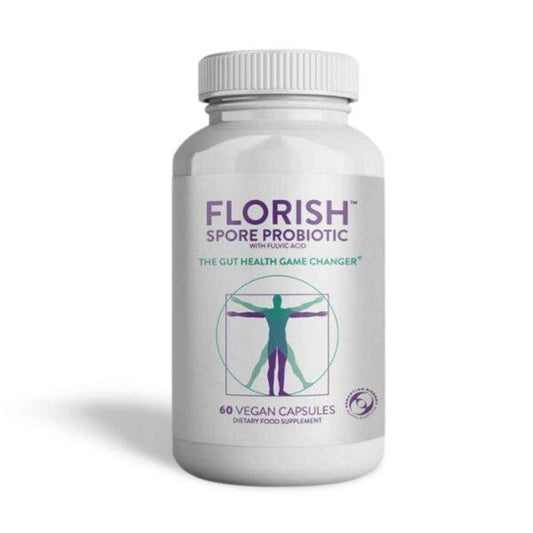
FLORISH Spore Probiotic
Regular price R 490.00Regular price -
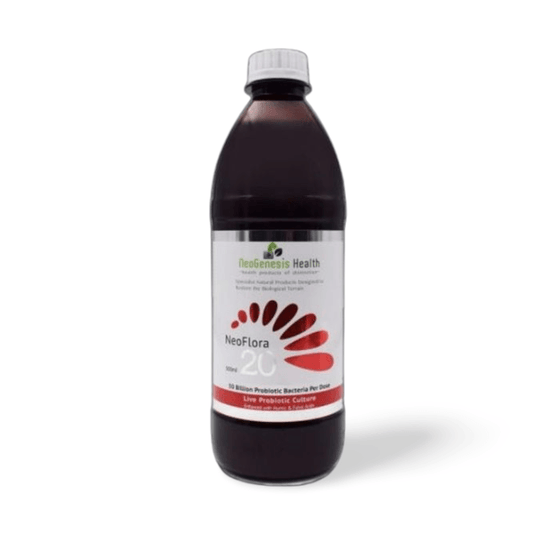
NEOGENESIS Neoflora
Regular price R 633.00Regular price -
 Sold out
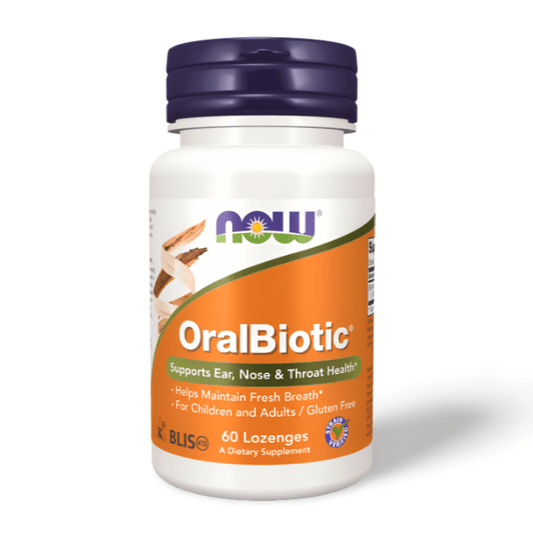
NOW Oral Biotic
Regular price R 630.00Regular price -
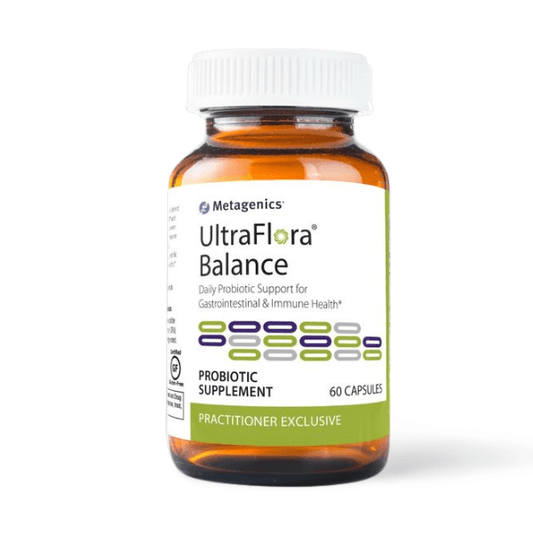
METAGENICS Ultra Flora Balance
Regular price From R 355.00Regular price -
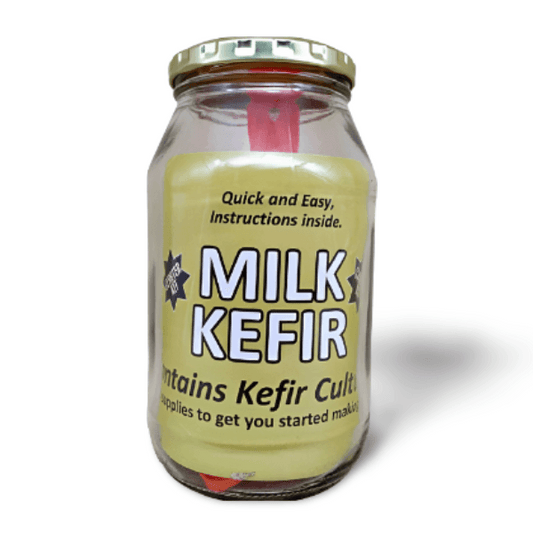
MILK KEFIR Starter Kit
Regular price R 280.00Regular price -
 Sold out
GOOD LIFE Good Gut
Regular price R 410.00Regular price -
WILLOW Friendly Flora 12 Strain 2 Billion
Regular price From R 150.00Regular price -
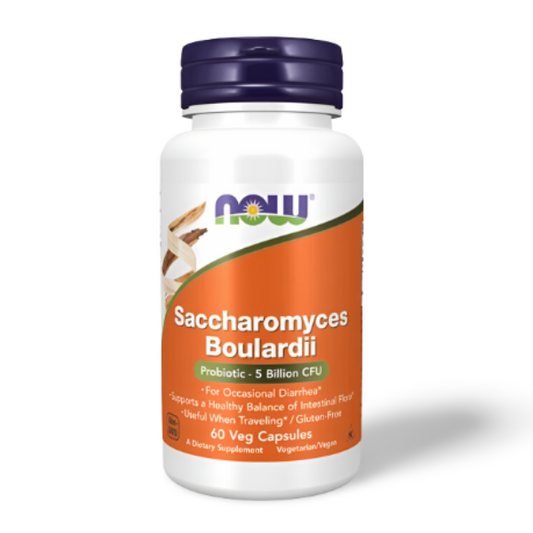
NOW Saccharomyces Boulardii
Regular price R 550.00Regular price -
PROBITEC Bowel Support 30's
Regular price R 730.00Regular price -
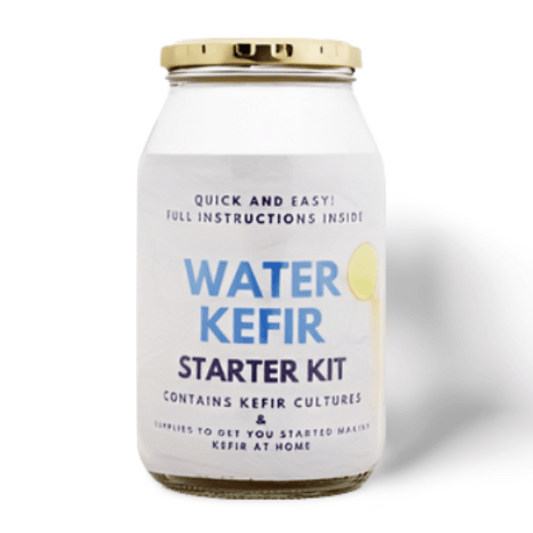
WATER KEFIR Starter Kit
Regular price R 280.00Regular price -
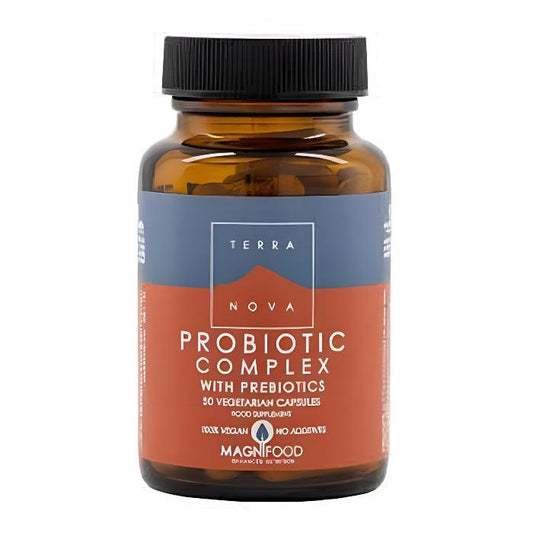
TERRA NOVA Probiotic Complex with Prebiotics
Regular price R 437.00Regular price -
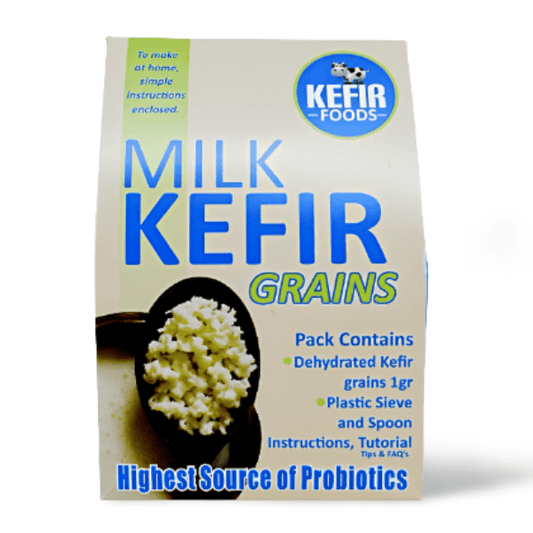
MILK KEFIR Starter Grains
Regular price R 285.00Regular price -
 Sold out
Metagenics Akkermansia MucT
Regular price R 1,295.00Regular price -
PROGAST FLORA CARE PRE & PROBIOTIC
Regular price R 258.00Regular price -
PROBITEC UT Cran Capsules
Regular price R 435.00Regular price -
PROBITEC Live Probiotic Culture
Regular price From R 180.00Regular price





![Vaccinium macrocarpon Aiton (Cranberry extract) Anthocran® Phytosome® 120 mg Quatrefolic® (5-Methyltetrahydrofolic acid) providing folic acid 953 μg 500 μg Methylcobalamin (Vitamin B12 ) 100 μg Cholecalciferol (Vitamin D3 ) 1 000 IU HOWARU® Protect Prenatal+ 15 billion CFU providing Lactobacillus acidophilus La-14® 9 billion CFU and Lactobacillus rhamnosus HN001TM 6 billion CFU Vaccinium macrocarpon Aiton (Cranberry extract) [fruit, extract standardised to 1 % proanthocyanidins] 5 mg Liquid glycerol 465 mg](http://www.thegoodstuff.co.za/cdn/shop/files/PROBITECUTCRAN-TheGoodStuff_ec1f1f44-3bb9-4bfb-bdb4-5a4153c43d65.jpg?v=1758190091&width=533)

Shop Probiotic Supplements with confidence
Choose by goal: digestion, skin, or urinary comfort
Start with intent. For everyday gut comfort, multi-strain blends featuring Lactobacillus and Bifidobacterium target upper and lower GI balance; that’s the backbone of best probiotic supplement South Africa picks in our grid. If breakouts are your brief, look for acne-aware combinations — probiotic supplements for acne often pair with zinc and a gentle prebiotic. Recurrent urinary discomfort? Some shoppers explore probiotic supplements for UTI that include Lactobacillus rhamnosus/rehydration-friendly formats. To feed the good bugs you add, consider pre and probiotic supplements or a probiotic and fibre supplement (think inulin or PHGG). You’ll also see prebiotics and probiotics supplements flagged when a bundle makes adherence easy. Read probiotic supplement reviews for real-world tolerance, then match dose to routine. Run one change at a time for a clean read on results and give your stack 4–8 weeks before judging.
Formats & strains: how to pick what’s “best”
“Best” isn’t universal — it’s best for your context. Capsules suit travellers; powders blend into smoothies; refrigerated isn’t automatically superior. What is the best probiotic supplement to take? One with named strains, clear CFU per serving, and directions you’ll actually follow. If you’re diet-forward, a probiotic food supplement pairs well with capsules on busy days. Our filters surface best pre and probiotic supplement bundles, plus plant-friendly options. We also cover retail searches like probiotic supplements Dis-Chem and probiotic supplements Clicks (and the UK’s probiotic supplements Boots) so you can compare, then shop here with confidence. For niche curiosity, we tag science-adjacent terms such as coprococcus and dialister probiotic supplement for readers tracking microbiome literature. When in doubt, start moderate CFU, take with water, and be consistent.
Use it wisely: timelines, combos, and safety
Benefits of taking probiotic supplements build with time. Expect steadier digestion in 2–4 weeks; skin or urinary changes often take longer. Pair with fibre, hydration, and regular meals. Wondering should I take digestive enzymes as well? Enzymes help today’s meal; probiotics shape the terrain — they can be combined. If you’re comparing kefir vs probiotic supplements, think both/and: food diversity plus dose certainty. Common questions we cover: what are probiotic supplements good for (gut balance, bowel regularity), are probiotic supplements effective (most for specific outcomes when strains match the job), and probiotic supplements side effects (usually mild gas/bloating during the first week; ease in). We stock clearly labelled ranges so you can avoid guesswork and stick to a routine that respects your time.
Buying in South Africa: simple, transparent, nationwide
You want straight answers and reliable delivery. Our catalogue highlights best probiotic supplement South Africa options, probiotic supplements for digestion, and specialist picks side-by-side. Filters call out best probiotic supplement to take by use-case, and a dedicated lane for probiotic supplements benefits if you’re still learning. Price-per-serve is shown so value is obvious. If you’re moving from food-only to capsules, start with a probiotic and fibre supplement or a gentle pre and probiotic supplements bundle and reassess after one box. We keep stock live, show ETAs, and make reorders fast — that’s retail done with care.
Shop probiotic supplements from The Good Stuff
We stock probiotics you can trust — clear strains, honest doses, and delivery anywhere in South Africa, so you can build a routine that actually sticks and feel the difference. The Good Stuff keeps it warm, wise, and practical. Shop similar collections: Probiotics | Supplements to Boost Your Immune System | Supplements for Vibrant Health | Testosterone Supplements for Men | Vegan Supplements | Vitamin B Supplements | Weight Loss Supplements | Willow Supplements | Zinc Supplement
Frequently Asked Questions
What is the best probiotic supplement to take?
“Best” depends on your goal and tolerance. For general gut balance, choose a multi-strain formula with named Lactobacillus and Bifidobacterium strains and at least several billion CFU per day. For targeted outcomes (e.g., bowel regularity, skin calm, urinary comfort), match strains to evidence on the product page and run a 4–8 week trial with consistent dosing. Take capsules with water, preferably at the same time daily, and add fibre to feed the microbes. If you’re in South Africa and want a vetted, easy choice, The Good Stuff curates clear-label options with straightforward directions and fast courier delivery.
Where to get probiotics supplements?
Buy from reputable retailers that list strain names, CFU at expiry (not manufacture), storage needs, and batch dates. Online stores with live stock levels and reliable couriers make consistency easier. Pharmacy chains carry basics; specialist wellness stores (like ours) curate broader strain diversity and transparent labels. Keep products away from heat, follow storage guidance (some require refrigeration), and check cost-per-serve to compare value.
Are probiotic supplements effective?
They can be — when strain matches purpose and you’re consistent. Evidence is strongest for specific outcomes (bowel regularity, certain antibiotic-associated issues) and mixed for broad claims. Expect initial gas or bloating as your gut adjusts; it usually settles within a week. Pair with fibre, hydration, and regular meals for better persistence. If nothing changes after 8 weeks, reassess strain choice, dose, or whether a different issue (stress, low fibre, irregular eating) is the real bottleneck.
Are probiotic supplements good for you?
For most healthy adults, yes — when used sensibly. Probiotics can support a more resilient microbiome, which influences digestion and bowel habits. They’re not magic pills: diet quality, sleep, movement, and stress matter just as much. If you’re immunocompromised, have central venous catheters, or complex GI disease, consult a clinician before starting.
Are probiotic supplements safe?
Generally safe for healthy individuals. Mild gas or bloating may appear during the first week. Follow dose directions, store correctly, and avoid expired products. People with severe illness, compromised immunity, short-gut, or recent major surgery should seek medical advice first. If you develop fever or persistent symptoms, stop and consult a professional.
How long can I take probiotic supplements?
There’s no fixed “max.” Many people take them daily for months. Review at 8–12 weeks to confirm benefit; if you’re stable, you can continue, reduce to a maintenance dose, or cycle off while keeping fibre high and diet diverse. Restart during travel, antibiotic courses (as advised), or stressful periods.
How to take probiotic supplements?
Check the label: some are best with food, others anytime. Take daily at the same hour for consistency, with water. If you’re also adding prebiotics or a probiotic and fibre supplement, introduce one change at a time for 1–2 weeks to see what does what. Store as directed (room temp or fridge).
Is a probiotic supplement necessary?
Not for everyone. If your diet is diverse, fibre-rich, and your digestion is steady, you may not need one. They’re most helpful when you’re rebuilding after antibiotics, managing irregularity, travelling, or targeting a specific concern (e.g., skin calm, urinary comfort). Consider a time-boxed trial to decide.
Is probiotic supplement good for you?
Yes, for many people — especially when diet or life stage challenges gut balance. Choose named strains, run a consistent trial, and focus on habits (sleep, fibre, hydration) alongside the capsule.
What are probiotic supplements?
They’re products containing live microorganisms (specific strains) that, when taken in adequate amounts, can confer a health benefit. Labels should name the strain (e.g., L. rhamnosus GG), the CFU per serving at expiry, and storage instructions.
What are the benefits of probiotic supplements?
Commonly reported benefits include more regular bowel movements, less bloating after meals, and better tolerance to routine diet shifts or travel. Some strains are studied for skin calm or urinary support. Benefits depend on strain selection, dose, and consistency, and they work best alongside fibre-rich eating.
What is a good probiotic supplement?
One with strain names (genus–species–strain), CFU at expiry, clear dosing, and credible storage guidance. Bonus points for third-party testing and plain-English directions. Avoid vague “proprietary blends” with no per-strain detail.
What is a probiotic supplement used for?
Supporting gut balance during routine life or specific stressors (travel, antibiotics, dietary changes). Some people use targeted strains for bowel regularity or skin calm. They’re adjuncts to good food and habits, not replacements.
What is the best probiotic supplement?
The one aligned to your goal and routine: named strains, right CFU, and a form you’ll take daily. Our collection groups “best probiotic supplement South Africa” by outcome so you can choose quickly and stick with it.
What is the best probiotic supplement on the market?
Markets change; look for transparency and consistency rather than hype. Focus on per-strain evidence, COAs, CFU at expiry, and real-world adherence. If you want a vetted shortlist with fast delivery in South Africa, shop our “Editor’s picks” — curated for clarity and value.

The Good Stuff
Discover a world of wellness at The Good Stuff, South Africa's trusted destination for premium health supplements. With over two decades of expertise from Cape Town, we bring you a curated collection of vitamins and products designed for your optimal well-being.
Our online store extends our legacy of quality and effectiveness right to your doorstep. With The Good Stuff, you're not just purchasing supplements, you're investing in a healthier, vibrant life.
Embark on your wellness journey with us, and let The Good Stuff nurture your path to better health!