
Collection: Digestive Enzyme Supplements
If your gut needs gentler, smarter support, this collection of digestive enzyme supplements is built for real life in South Africa. We’ve curated digestive enzyme supplements across clean single enzymes (like lactase) and comprehensive blends for meals that are rich in protein, carbs, or fats. You’ll find straightforward labels, clear directions, and trusted ranges—from plant-based digestive enzyme supplements to pharmacist favourites—so you can match the formula to your food and feel the difference at mealtimes. We stock, we don’t manufacture, which means you can compare Biogen digestive enzymes, Solgar digestive enzymes, and NPL digestive enzyme options side by side without the hype. The Good Stuff keeps it warm, wise, and practical: honest ingredients, sensible pricing, and fast courier delivery nationwide. Prefer to start small? Choose a mealtime capsule first, then add a targeted lactase digestive enzyme if dairy’s your trigger. The Good Stuff makes it easy to build a routine you’ll actually keep. The Good Stuff — trusted wellness, delivered.
Gut Health Supplements | Herbal Supplements | Probiotics

-
Metagenics DigestiZyme+
Regular price R 595.00Regular price -
NOW Betaine HCL
Regular price R 570.00Regular price -
PRIMESELF Grass - Fed Whey Protein Powder
Regular price R 869.00Regular price -
PRIMESELF Gut Complex
Regular price R 329.00Regular price -
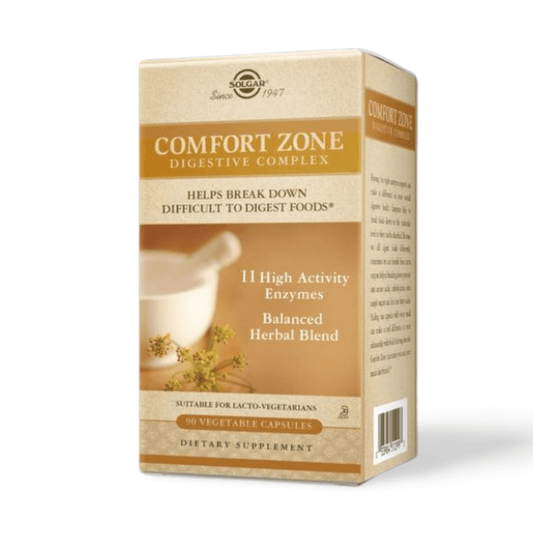
SOLGAR Comfort Zone Digestive Aid
Regular price R 731.00Regular price -
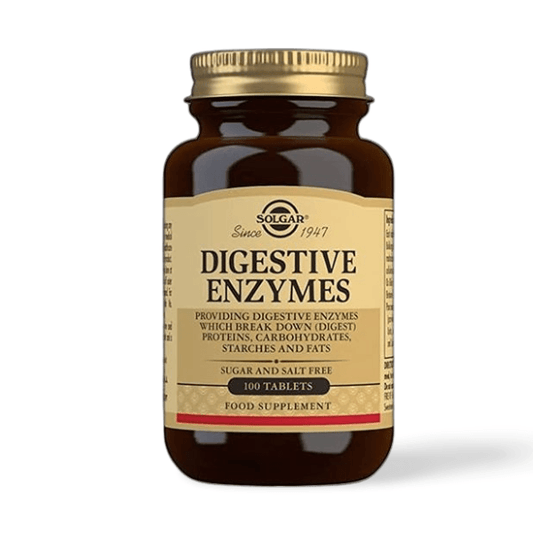
SOLGAR Digestive Enzymes
Regular price From R 335.00Regular price -
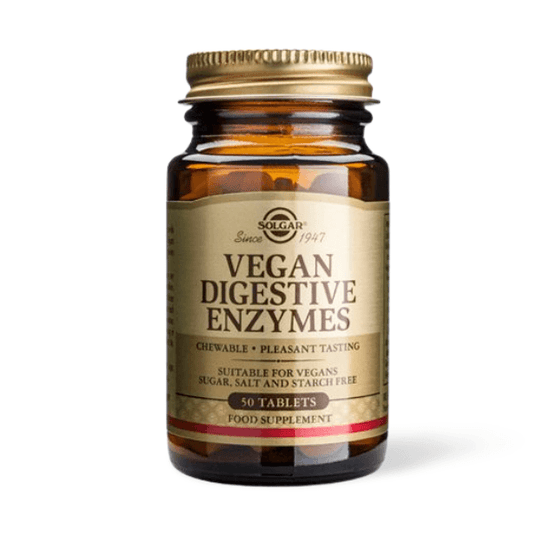
SOLGAR Vegan Digestive Enzymes
Regular price R 240.00Regular price -
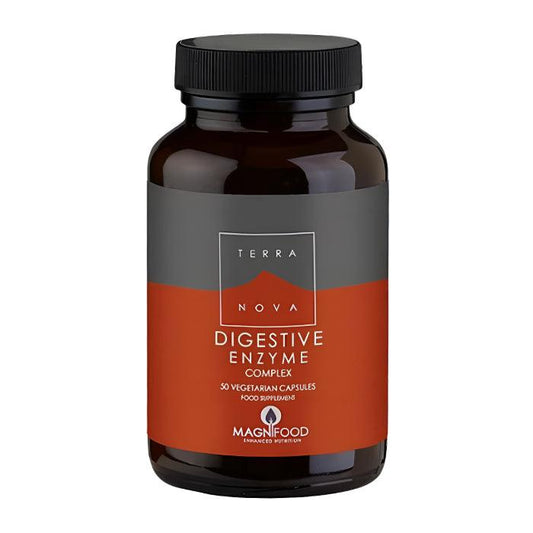 Sold out
TERRA NOVA Digestive Enzyme Complex
Regular price R 354.00Regular price -
WILLOW Digestive Enzymes
Regular price From R 208.00Regular price -
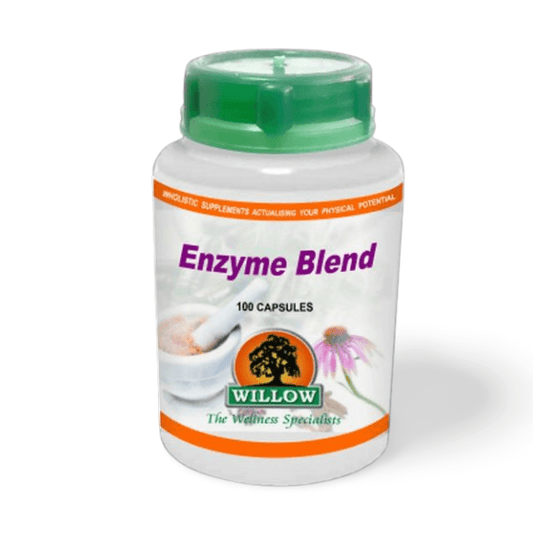
WILLOW Enzyme Blend Papain Bromelain
Regular price From R 220.00Regular price -
WILLOW IB Support
Regular price R 327.00Regular price




Shop Digestive Enzyme Supplements with confidence
What are digestive enzymes — and which blend fits your plate?
Digestive enzymes are proteins that help break down macronutrients into absorbable pieces. Your body makes them (think the digestive enzyme secreted by pancreas: lipase, protease, amylase), and a supplement can top up when meals are heavy or when specific foods cause discomfort. If you’re scanning what are digestive enzymes and digestive enzymes benefits, start with your most common meals: high-protein? Look for protease. Creamy or fried? Add lipase. Big starch loads? Amylase helps. We group best digestive enzyme supplements by use-case and call out oral digestive enzymes that pair well with everyday eating, so you can run a simple two-week trial at lunch and dinner. Curious about histamine flare-ups? Some shoppers explore digestive enzymes histamine intolerance stacks that include DAO-supporting strategies alongside standard blends. Not sure where to begin? Our filters flag best digestive enzyme supplements and ultimate digestive enzyme style multi-actives so you can choose quickly and adjust gently.
Brand picks & formats: compare by dose, not noise
Labels matter. We stock Biogen digestive enzymes for value-led basics, Solgar digestive enzymes for time-tested formulations, and NPL digestive enzyme options for gym-goers chasing protein-heavy meals. Capsule, tablet, or chewable — pick the format you’ll actually take before main meals. If dairy is the sticking point, keep a dedicated lactase digestive enzyme in your bag; parents often ask about milk digesting enzyme in infants — always follow age-appropriate guidance from your clinician. Prefer botanicals? Our plant based digestive enzyme supplements blend papain and bromelain with amylase/protease/lipase to cover mixed plates. If you’re protein-forward and also care about skin/joints, you’ll see collagen digestive enzymes combos that pair mealtime support with daily collagen — easy to run in parallel. New to the category? Start at the lowest effective dose, track a symptom diary (bloating, heaviness, urgency), and reassess in 2–3 weeks.
Side effects, timing, and realistic expectations
Most people tolerate enzymes well when taken right before or with the first bites of a meal. If you’re researching digestive enzyme supplements side effects, mild nausea or stomach discomfort can occur if taken on an empty stomach or dosed too high; reduce the count or take mid-meal. Wondering should I take digestive enzymes daily? Use them around meals that challenge you most rather than every bite of food. What are digestive enzymes good for? Helping large molecules get broken down more efficiently — which can translate into less post-meal heaviness. Do digestive enzyme supplements work? They support digestion of the food you actually eat; they don’t replace a varied diet, mindful portions, or medical care. For gluten questions (which enzyme digests gluten), look for blends with targeted proteases; however, enzyme supplements do not make foods safe for people with coeliac disease.
Quick clarity: enzymes vs. lab “restriction enzymes”
A note for searchers: 'incomplete digestion restriction enzyme', 'restriction enzyme digestion', and 'restriction enzyme digest analysis' refer to laboratory enzymes that cut DNA — not the digestive enzymes used for food breakdown in humans. If you’ve landed here from those terms, you’re looking for a different category entirely. Our range focuses on human digestion: amylase for carbohydrates, protease for proteins, lipase for fats, plus specialities like lactase. If you’re after what digestive enzymes are good for in everyday eating, think practical mealtime support. For the science crowd, we keep product pages grounded in plain explanations so you can choose a targeted formula without getting lost in jargon.
Shop Digestive Enzymes from The Good Stuff
We stock a thoughtful range of digestive enzyme supplements—single-purpose and full-spectrum—so you can match your formula to your food and feel lighter after meals. The Good Stuff keeps selection simple and delivery fast across South Africa. Shop similar collections: Amino Acid Supplements | Ashwagandha Supplements | Anti-Aeging Supplements | Ayurvedic Supplements | Baby Supplements | Berberine Supplement | Best Hair Supplements for Hair Growth | Best Fat Burtning Supplements | Best Omega 3 Supplements | Best Iron Supplements | Best Iron Supplements for Women | Best Supplements for Muscle Growth | Best Vitamin D Supplements
Frequently Asked Questions about Digestive Enzyme Supplements
What are digestive enzymes?
Digestive enzymes are catalytic proteins that help break food into smaller molecules your body can absorb. Key types include amylase (carbohydrates → sugars), protease (proteins → peptides/amino acids), and lipase (fats → fatty acids/glycerol). They’re produced in the salivary glands, stomach, pancreas, and small intestine, and secretion rises in response to eating. Supplements provide additional enzyme activity alongside what your body makes, which can be useful for meals that are richer than usual or when specific foods (e.g., dairy) are troublesome. They don’t replace balanced nutrition or medical care, but they can reduce post-meal heaviness, gas, and bloating when well matched to the meal. Choose a targeted enzyme for a known trigger (like lactase for dairy) or a broad blend for mixed plates.
Should I take digestive enzymes?
Consider them if you consistently feel heavy, bloated, or gassy after certain meals, or if high-protein, creamy, or starchy dishes leave you uncomfortable. Start with a narrow goal: identify the main trigger foods, then select a blend that matches (protease for protein-heavy meals, lipase for high-fat meals, amylase for starchy meals). Take the dose right before or with the first bites. Track a two-week trial using simple notes on symptoms, timing, and portion sizes. If symptoms persist despite sensible eating and proper timing, consult a clinician to rule out conditions like IBS, coeliac disease, gallbladder issues, or SIBO. Enzymes support digestion; they don’t fix unrelated causes of abdominal discomfort.
What are digestive enzymes good for?
They help your gut handle macronutrients more efficiently, which can translate into less bloating, reduced post-meal fullness, and more predictable bowel habits after trigger meals. For example, lactase helps digest lactose in dairy; proteases assist with protein-heavy plates; lipase helps with rich, fatty dishes. Some blends add alpha-galactosidase for legumes or cellulase/hemicellulase for plant fibres. Benefits depend on matching the enzyme to the food and taking it at the right time. They’re not weight-loss pills or a license to routinely overeat; think of them as a practical tool for specific meals. For reliable options and fast delivery across South Africa, The Good Stuff keeps trusted brands in stock.
Which enzyme is responsible for chemical digestion?
Many. “Chemical digestion” is the umbrella for enzyme-driven breakdown throughout the GI tract. Amylase in saliva begins starch digestion; pepsin in the stomach starts protein breakdown; pancreatic enzymes (amylase, trypsin/chymotrypsin as proteases, and lipase) continue the heavy lifting in the small intestine, aided by bile for fat emulsification. Brush-border enzymes (like lactase, sucrase, maltase) finish the job at the intestinal lining. No single enzyme handles everything; different foods require different catalysts. When choosing a supplement, mirror this diversity by matching the formula to your typical meals.
Do digestive enzymes help with Candida?
Digestive enzymes aren’t antifungals. Some proteases and cellulases may help break down components in foods that feed symptoms or improve general digestion, which can indirectly reduce bloating people sometimes attribute to “Candida.” If you suspect an overgrowth, consult a clinician for proper evaluation and treatment. Focus on steady meals with adequate protein and fibre, good sleep, and stress management; these do more for overall gut comfort than any single supplement. Enzymes can be an adjunct for meal comfort, not a cure.
Does taking digestive enzymes help with weight loss?
They’re not weight-loss agents. Enzymes assist in breaking down food; they don’t inherently burn fat or suppress appetite. However, by improving comfort after meals, some people find it easier to choose balanced portions and keep consistent eating patterns. Weight change comes from overall energy balance, activity, and sleep/stress patterns. Use enzymes to support comfortable meals, not as a shortcut. If weight loss is your goal, pair nutrition habits with movement and professional guidance.
What contains digestive enzymes?
Your body produces enzymes (saliva, stomach, pancreas, small intestine). Foods can also supply natural enzymes — ripe pineapple (bromelain) and papaya (papain) provide proteolytic activity; fermented foods add microbial enzymes. Supplements deliver standardized activity units across amylase, protease, lipase, and specialty enzymes like lactase or alpha-galactosidase. Choose food-based or microbial-derived sources if you prefer plant-origin products, and check labels for activity units (e.g., FCC) rather than just milligrams.
Are digestive enzymes safe to take?
Generally, yes when used as directed around meals. Potential side effects include mild nausea, stomach upset, or diarrhoea if taken on an empty stomach or dosed too high. Allergies can occur with fruit-derived enzymes (papain, bromelain) in sensitive individuals. If you have ulcers, pancreatitis, gallbladder disease, or are on anticoagulants, seek medical advice first. Start low, take with food, and stop if you experience persistent discomfort. Always read labels and follow dosing guidance.
Can you take digestive enzymes with probiotics?
Yes — they play different roles. Enzymes help digest the current meal; probiotics influence the gut’s microbial balance over time. Many people take enzymes at mealtime and probiotics away from food or as directed. If you’re sensitive, introduce one at a time for two weeks to see what does what. Combine with fibre-rich foods and adequate hydration to support regularity.
Do digestive enzyme supplements work?
They work when matched to the foods that challenge you and taken at the right time (right before or with the first bites). Evidence is strongest for specific scenarios like lactose intolerance (lactase) and for reducing post-meal discomfort when meals are heavy. They’re supportive tools, not cures for underlying disease. If you see no benefit after a careful two-week trial, reassess timing, dose, and whether the formula fits your meals — or speak to a clinician.
How do enzymes help digestion?
They lower the activation energy required to break chemical bonds in food, speeding up the breakdown of carbohydrates, proteins, and fats into absorbable units. Without adequate enzyme activity, large molecules linger, which can contribute to bloating and discomfort. By adding the right enzyme at the right time, you make digestion more efficient and reduce the workload on your GI tract for certain meals.
Is it good to take digestive enzymes daily?
Use them when needed. If certain meals predictably cause issues, daily use around those meals is reasonable. There’s no need to take them with every bite if you feel fine. Long-term daily use is generally considered acceptable for healthy adults, but it’s smart to review periodically whether you still need them and to prioritise balanced meals and mindful portions.
What do digestive enzyme supplements do?
They provide extra enzyme activity to help break down macronutrients in your meal, aiming to reduce post-meal heaviness, gas, and bloating. Broad blends cover multiple food types; targeted products (like lactase) address specific triggers. They’re adjuncts to, not replacements for, dietary balance and medical care when underlying conditions exist.
What do enzymes do in the digestive system?
They catalyse the stepwise breakdown of food from complex structures into absorbable molecules: starch to simple sugars, proteins to amino acids, fats to fatty acids and glycerol. This staged process occurs from mouth to small intestine, coordinated with stomach acid and bile. Adequate enzyme activity supports efficient nutrient absorption and comfortable digestion.
What is digestive enzymes used for?
In supplements, they’re used to support digestion of particular meals — especially those rich in the macronutrient you struggle with (e.g., fats, proteins, lactose). Clinically, specific enzymes (like pancreatic enzymes) are prescribed for conditions involving enzyme insufficiency. For everyday shoppers, the goal is simple: feel lighter after meals that used to weigh you down.
What is the function of enzymes in human digestive system?
They accelerate chemical reactions that break down food, enabling absorption through the intestinal lining. Each enzyme has a substrate: amylase for starch, protease for proteins, lipase for fats, and brush-border enzymes like lactase and sucrase for specific sugars. The coordinated action ensures efficient digestion and nutrient uptake.
When is the best time to take digestive enzymes?
Right before or with the first bites of your meal. Timing matters: taking them too early (long before eating) or too late (after finishing) reduces effectiveness. For snacks, smaller doses often suffice. For dairy-specific issues, take lactase immediately before consuming lactose-containing foods.
Which enzyme digests gluten?
No over-the-counter enzyme can make gluten safe for people with coeliac disease. Some multi-protease blends include enzymes (like prolyl endopeptidases) that can help break down certain gluten peptides, potentially reducing occasional discomfort in non-coeliac individuals. These are not a substitute for a gluten-free diet when medically indicated. For dependable products and fast delivery across South Africa, shop via The Good Stuff — we stock transparent labels so you can make informed choices.

The Good Stuff
Discover a world of wellness at The Good Stuff, South Africa's trusted destination for premium health supplements. With over two decades of expertise from Cape Town, we bring you a curated collection of vitamins and products designed for your optimal well-being.
Our online store extends our legacy of quality and effectiveness right to your doorstep. With The Good Stuff, you're not just purchasing supplements, you're investing in a healthier, vibrant life.
Embark on your wellness journey with us, and let The Good Stuff nurture your path to better health!