
Collection: Amino Acid Supplements
Shop The Good Stuff Amino Acid Supplements. Your body depends on amino acids for almost every process—from building and repairing muscle tissue to producing energy, balancing mood, and supporting gut health. If your training, lifestyle, or diet isn’t supplying enough of these critical nutrients, amino acid supplements are a powerful way to fill the gap.
At The Good Stuff, our collection includes essential amino acid complexes, branched-chain amino acid supplements, and complete amino acid blends for those who want pre- and post-workout support, better muscle recovery, and improved energy production. Whether you’re looking for natural amino acid supplements, EAAs for endurance, or BCAAs for muscle growth, we only stock trusted formulas designed for results.
Amino Acids | Amino Pills | Protein Supplements for Weight Gain

-
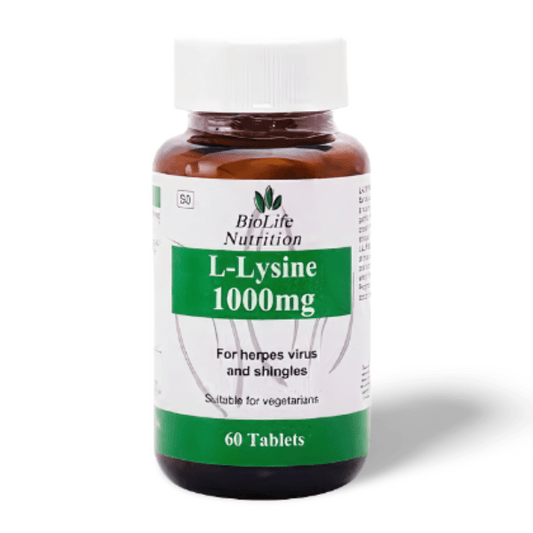
BIOLIFE L-Lysine
Regular price R 182.00Regular price -
NOW L-Lysine 1000mg
Regular price R 380.00Regular price -
PRIMESELF Grass - Fed Whey Protein Powder
Regular price R 869.00Regular price -
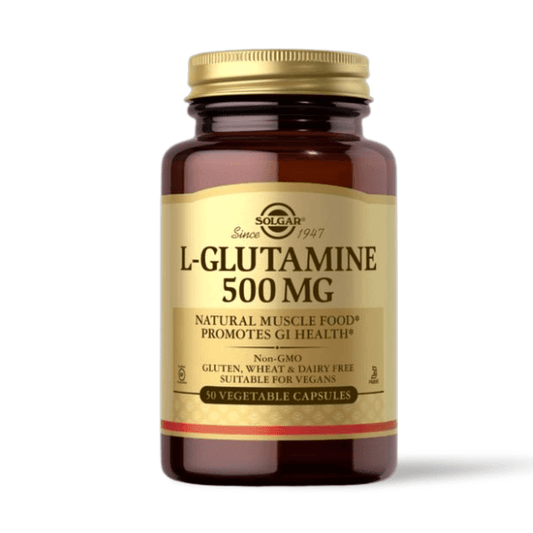
SOLGAR L-Glutamine
Regular price R 235.00Regular price -
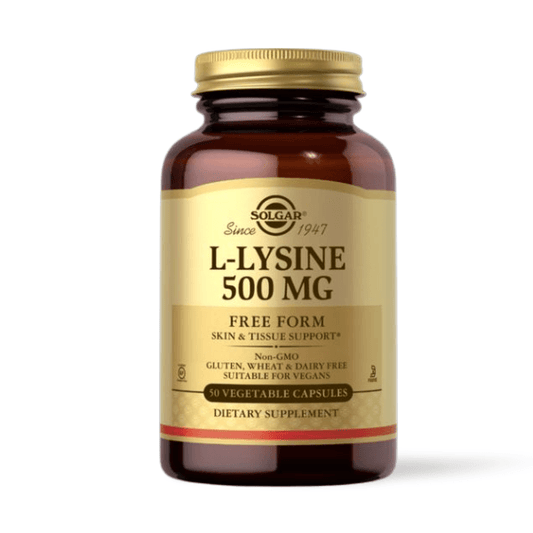
SOLGAR L-Lysine
Regular price R 197.00Regular price -
 Sold out
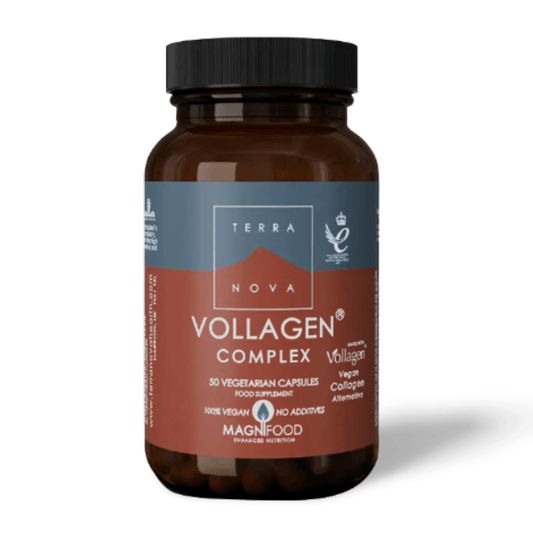
TERRA NOVA Vollagen Complex
Regular price R 576.00Regular price -
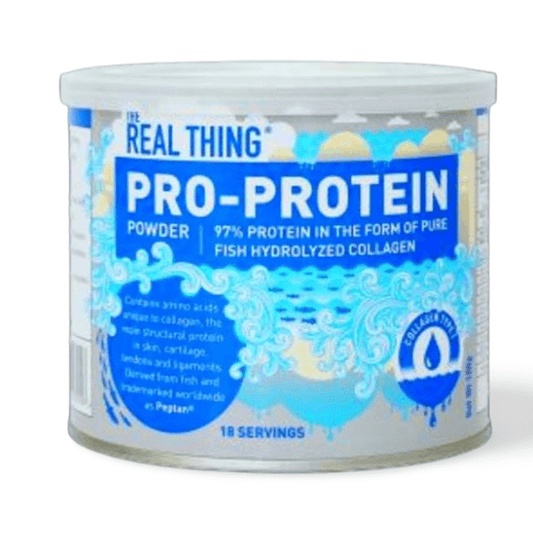
THE REAL THING Pro-Protein Powder
Regular price R 327.00Regular price -
WILLOW L-Glutamine
Regular price From R 117.00Regular price



Why Take Amino Acid Supplements?
The Benefits of Amino Acid Supplements
Amino acid supplements help your body:
- Repair & Build Muscle – Accelerate post-training recovery and support lean muscle growth.
- Boost Energy & Endurance – Provide fuel for high-intensity workouts and prolonged exercise.
- Support Protein Synthesis – Improve your body’s ability to use protein efficiently.
- Enhance Mood & Focus – Certain aminos (like tryptophan and tyrosine) play roles in neurotransmitter production.
- Aid Gut & Immune Health – Aminos like glutamine support gut integrity and immune defense.
For athletes, busy professionals, or anyone wanting to perform and recover better, daily amino acid supplements can make a noticeable difference.
Who Should Use Amino Acids?
- Athletes & Gym-Goers – To build muscle, reduce soreness, and improve training performance.
- Endurance Athletes – To delay fatigue and sustain energy over long sessions.
- Vegetarians & Vegans – To compensate for amino acid gaps in plant-based diets.
- Older Adults – To combat age-related muscle loss and maintain metabolic health.
- Individuals with High Stress or Recovery Needs – To support immune, gut, and hormonal balance.
Complete vs Branched-Chain Aminos: Which Do You Need?
- Essential Amino Acid (EAA) Complexes: Include all 9 essential aminos for full-body support — perfect for recovery and overall health.
- Branched-Chain Amino Acids (BCAAs): Focused on leucine, isoleucine, and valine, which are key for muscle recovery, reducing fatigue, and preserving lean mass during intense training.
- Complete Amino Acid Supplements: Offer a mix of both essential and non-essential amino acids for total body support.
Build Your Strength with The Good Stuff
From essential amino acid supplements to branched-chain amino acid blends for athletes, we stock the best amino acid supplements at competitive amino acid supplement prices.
Buy amino acid supplements online in South Africa today with nationwide delivery so you can power your performance no matter where you are. Shop similar collections: A.Vogel Products | A.Vogel Spices | AIM Products | ALLisONE Tissue Salts | Aloe Ferox Products | Metagenics | Natroceutics | NOW Foods | Phytoceutics | Solgar | Viridian | WoodWick Candles | Yankee Candle
Frequently Asked Questions about Amino Acid Supplements
Is there a benefit to taking amino acid supplements?
Yes. They provide readily available building blocks for protein synthesis, helping your body repair muscle faster, boost energy, and perform better. They’re especially beneficial for people with high training demands, restrictive diets, or recovery needs.
Who should not take amino acids?
People with kidney or liver disease or certain metabolic disorders should consult a doctor first. Those on medications (like antidepressants) should also get medical guidance, as some aminos can influence neurotransmitters.
Do amino acids burn belly fat?
Indirectly, yes. Aminos (like BCAAs) help preserve lean muscle, keeping your metabolism active while dieting. They can also help regulate appetite, making it easier to stick to calorie goals. But they work best alongside a balanced diet and exercise plan.
What are the disadvantages of amino acid supplements?
While generally safe, overuse can lead to digestive discomfort, nausea, or imbalances if combined with poor dietary habits. Quality varies by brand, so always choose trusted sources like The Good Stuff.
What do amino acids do to the body?
They build and repair muscle, produce enzymes and hormones, support immune health, improve mental clarity, and provide energy during workouts. In short, they’re vital for nearly every bodily function.
Who should take amino?
Anyone struggling to meet protein needs—from athletes to vegetarians to those recovering from illness or injury—can benefit from amino acid supplementation.
Is it better to take amino acids or protein?
It depends. Protein shakes provide calories and a slower release of aminos, while amino supplements deliver fast-acting, calorie-free amino acids, making them ideal for pre-, intra-, or post-workout use or for those watching calorie intake.
What are amino tablets used for?
Amino acid tablets provide a portable, convenient source of aminos for muscle repair, endurance, and daily support without mixing powders or adding extra calories.
Why take amino acids on an empty stomach?
Taking them on an empty stomach speeds up absorption and ensures they’re immediately available for energy production and muscle recovery, making it a great option for morning or pre-workout use.
When should I take amino acids?
- Pre-workout: For energy and endurance.
- Intra-workout: To sustain performance and reduce muscle breakdown.
- Post-workout: For faster recovery and muscle repair.
- Daily: Between meals to maintain a steady amino acid pool.
What foods are high in amino acids?
Meat, eggs, fish, dairy, soy, legumes, quinoa, and nuts are rich sources of amino acids. Still, supplementing ensures you meet your needs consistently, especially if your diet is restrictive.
Do multivitamins have amino acids?
Generally, no. Multivitamins focus on vitamins and minerals, not protein-building amino acids. You need dedicated amino acid supplements to get these nutrients in meaningful amounts.
Who should avoid amino acids?
Those with renal issues, liver disease, or metabolic disorders should avoid unsupervised supplementation. Always consult a healthcare provider if unsure.
What are the side effects of taking amino acids?
Mild digestive upset, nausea, or headaches may occur in rare cases. Stick to appropriate doses and quality products to minimize risks.
What is the best time to take amino acids?
For workout performance, take them pre- or intra-workout. For recovery, take them post-workout. For general support, use them between meals or first thing in the morning.
Which foods are high in amino acids?
Lean meats, poultry, eggs, fish, legumes, soy, seeds, and whole grains provide a variety of amino acids. Combining supplements with these foods maximizes results.
How do you know if you should take amino acids?
If you experience frequent muscle soreness, slow recovery, fatigue, or struggle to meet protein needs through diet, EAA supplementation may be beneficial. Athletes, older adults, and those on restrictive diets are particularly good candidates.

The Good Stuff
Discover a world of wellness at The Good Stuff, South Africa's trusted destination for premium health supplements. With over two decades of expertise from Cape Town, we bring you a curated collection of vitamins and products designed for your optimal well-being.
Our online store extends our legacy of quality and effectiveness right to your doorstep. With The Good Stuff, you're not just purchasing supplements, you're investing in a healthier, vibrant life.
Embark on your wellness journey with us, and let The Good Stuff nurture your path to better health!