
Collection: Dairy Free Supplements
Dairy Free Supplements should make life easier, not send you hunting for hidden milk ingredients. At The Good Stuff, we stock Dairy Free Supplements across capsules, powders, liquids and gummies so you can sort your routine fast. Think lactose-free vitamins, whey-free protein powder, casein-free formulas, vegan-friendly options and allergen-free multis that suit families and athletes. If you want plant-based protein, you will find pea protein and brown rice protein. If you need omegas without fish or dairy, look for algal oil omega-3. If calcium is on your list, pick calcium citrate with lichen-sourced vitamin D3. Probiotics come in dairy-free, shelf-stable formats that skip yoghurt cultures. Labels stay clear on soy-free and gluten-free where relevant so you can shop with confidence. We stock, we do not manufacture, which keeps comparisons fair and the advice practical. Choose the format you will actually use, keep it consistent, and enjoy a routine that works with your body.
Best Vitamin D Supplements | Collagen Supplements | Vitamin B Supplements

-
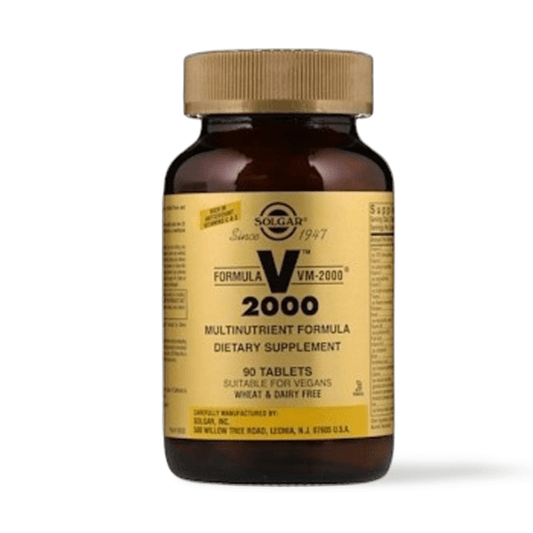
SOLGAR VM-2000
Regular price From R 267.00Regular price -
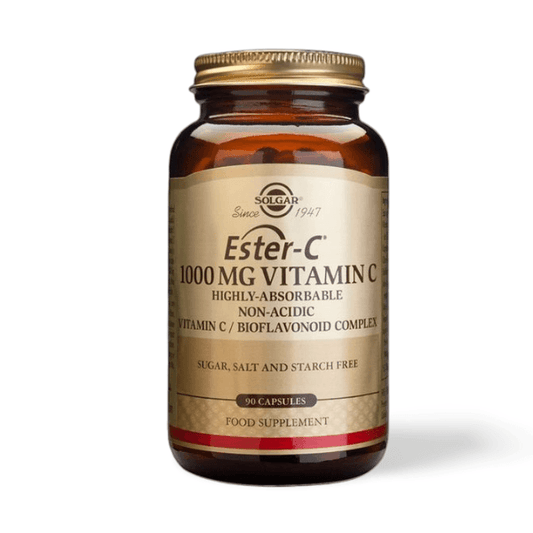
SOLGAR Ester-C 1000mg
Regular price From R 244.00Regular price -
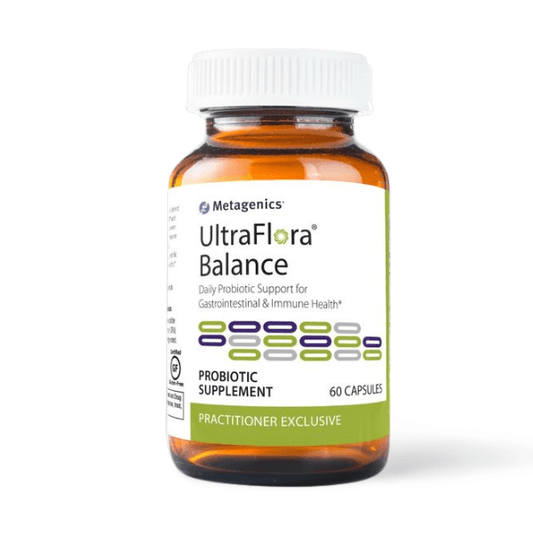
METAGENICS Ultra Flora Balance
Regular price From R 345.00Regular price -
 Sold out
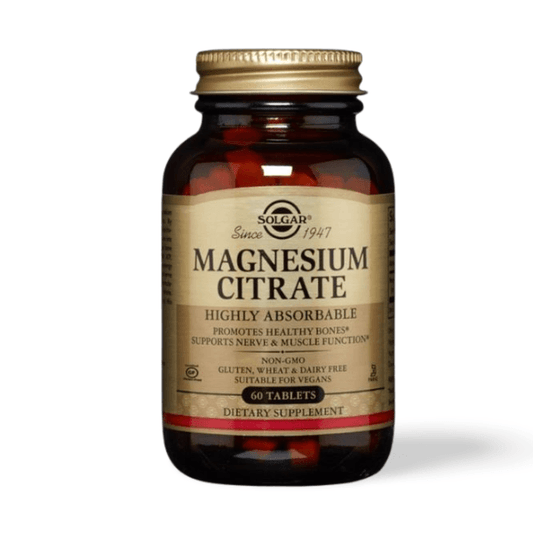
SOLGAR Magnesium Citrate No
Regular price From R 209.00Regular price -
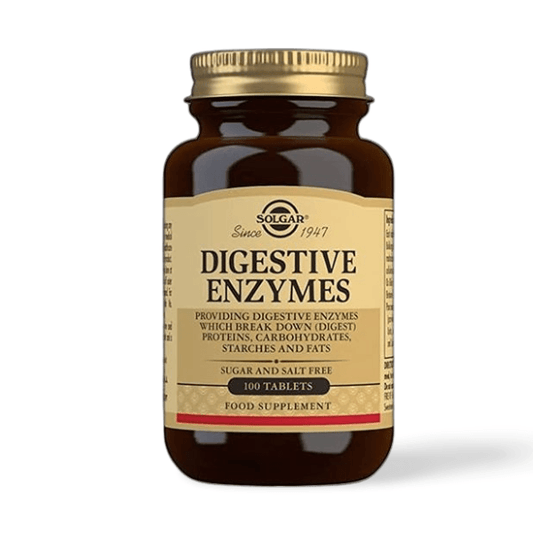
SOLGAR Digestive Enzymes
Regular price From R 319.00Regular price -
 Sold out
NEOGENESIS Pure D3 Forte 4000iu
Regular price R 241.00Regular price -
 Sold out
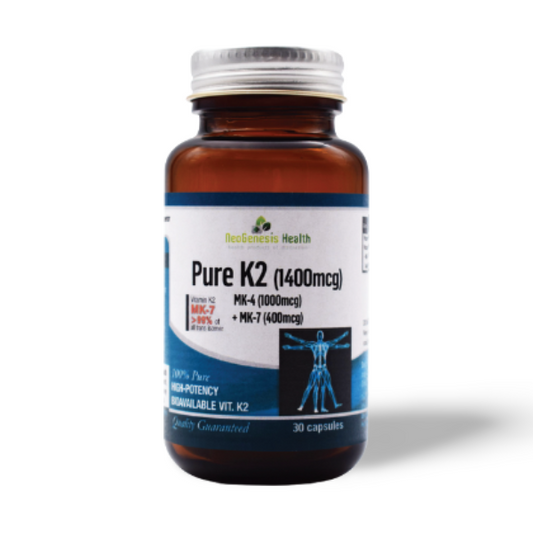
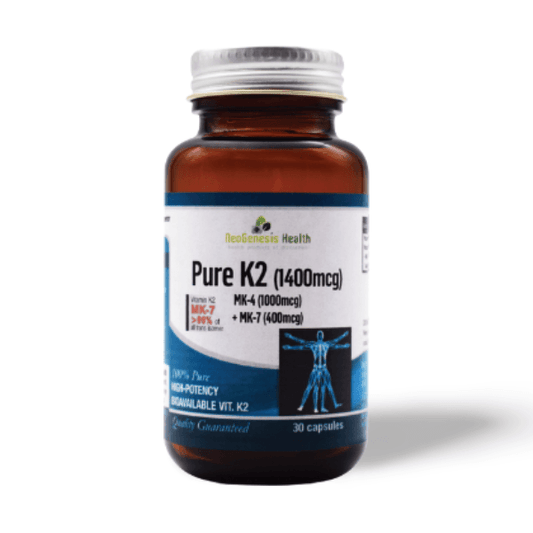
NEOGENESIS Pure K2
Regular price R 630.00Regular price -
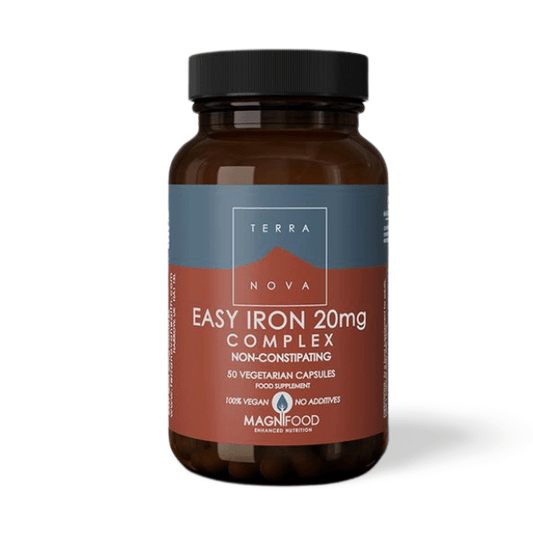
TERRA NOVA Easy Iron Complex
Regular price R 288.00Regular price -
 Sold out
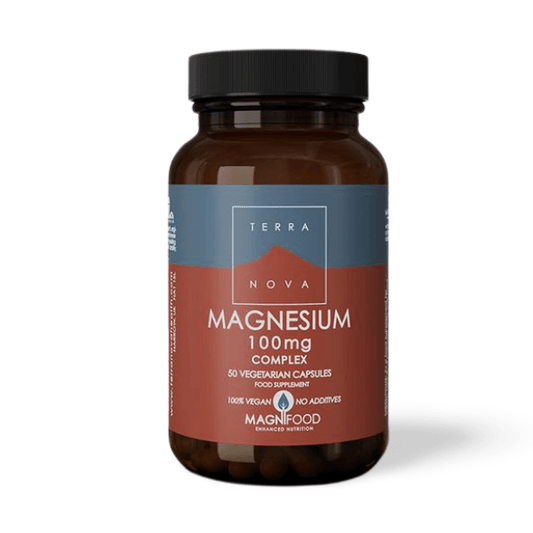
TERRA NOVA Magnesium Complex
Regular price R 379.00Regular price -
 Sold out
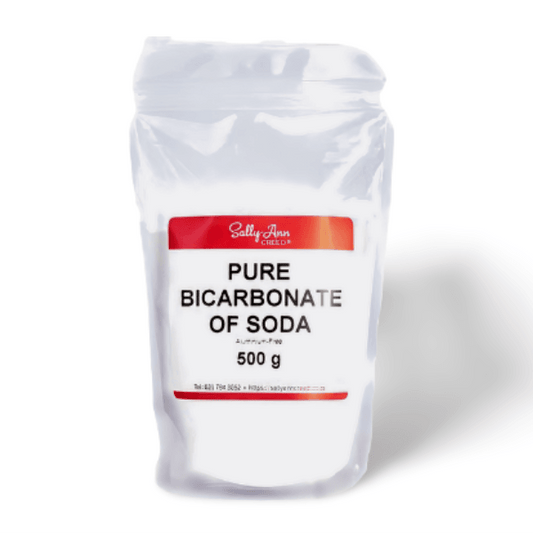
SALLY ANN CREED Bicarbonate of Soda
Regular price R 65.00Regular price -
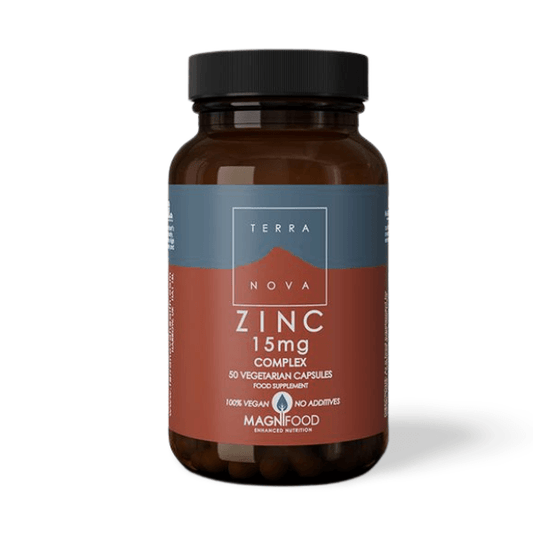
TERRA NOVA Zinc Complex
Regular price R 205.00Regular price -
GOODHEALTH Organic Magnesium Ultra
Regular price From R 459.00Regular price -
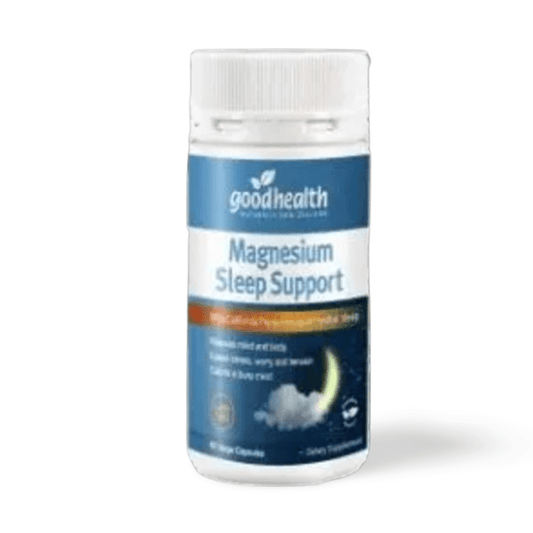
GOODHEALTH Magnesium Sleep Support
Regular price R 599.00Regular price -
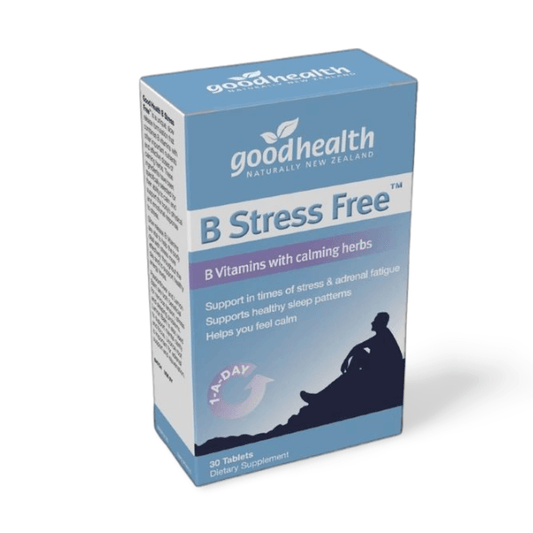
GOODHEALTH B Stress Free
Regular price From R 379.00Regular price -
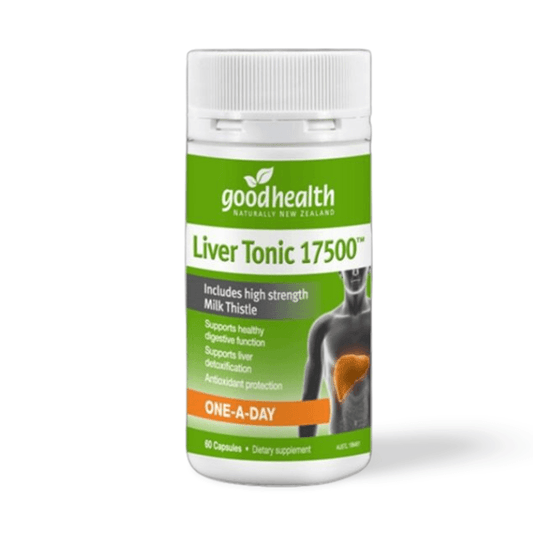
GOODHEALTH Liver Tonic 17500
Regular price R 539.00Regular price -
SOLGAR Omega Double Strength
Regular price From R 266.00Regular price

Why choose Dairy Free Supplements from The Good Stuff
Dairy free means no milk, whey or casein in either the formula or the excipients. That includes magnesium stearate and flavours when they use dairy sources. You will see phrases like 'lactose-free', 'whey-free' and 'casein-free' on product pages. Vegan supplements nearly always qualify, yet not every dairy-free product is vegan. Marine collagen, bovine collagen and fish oil are animal-derived but still dairy free. Our range highlights vegan-friendly supplements, allergen-free vitamins and soy-free choices so you can filter fast. If you avoid several allergens at once, look for short ingredient lists, rice or tapioca capsules, and unflavoured powders. Families can shop gluten-free, dairy-free probiotics and kids’ multis that skip milk fillers. If you want a starter plan, pair a multivitamin that is lactose free with algal oil omega-3 and a plant protein for lunch smoothies. That covers day-to-day gaps without touching dairy.
Everyday picks by goal
For energy and focus, try B-complex or methylated B12 in lactose-free capsules, plus algal oil omega-3 for brain support. For recovery and training, use whey-free protein powder such as pea protein or pea-rice blends. Add creatine monohydrate, which is naturally dairy free. For bones, build a stack with calcium citrate, lichen-sourced vitamin D3 and magnesium glycinate. For gut comfort, choose dairy-free probiotics in shelf-stable forms and add prebiotic fibre. If you want a vegan-friendly routine end-to-end, combine plant-based protein, algal oil omega-3, a vegan multi and vitamin C. If you prefer simple habits, use an allergen-free multivitamin on weekdays and a magnesium powder at night. Keep cost-per-dose in mind, not just tub size. Choose the format that fits your life so you actually take it.
Protein without whey
If you react to whey, skip both whey isolate and concentrate. Choose pea protein, brown rice protein or a blend for a fuller amino profile. Look for terms like whey free, casein free and lactose free on the label. If you want extra creaminess without milk, use coconut MCT powder or oat milk in a smoothie. Add vanilla or cacao flavours that state dairy free, or go unflavoured to control ingredients. Soy-free options exist if you avoid soy. For bakers, plant-based protein works in pancakes and porridge. If you are tracking macros, compare protein per 100 g, not only per scoop. That gives a fair read across brands. Training hard. Add creatine and electrolytes that are dairy free and sugar free. Keep hydration up and recovery gets easier.
Vitamins, minerals and probiotics that stay dairy free
Many tablets and capsules use fillers. Ours call out allergen-free where possible and list sources. Calcium citrate and magnesium glycinate are easy wins. Pair them with vitamin D3 from lichen if you want a vegan-friendly stack. For iron, look for gentle forms that state lactose free. Probiotics can be cultured on media that once included dairy, so check for dairy-free, vegan or allergen-free claims. Shelf-stable strains suit travel and office life. If you drink smoothies, add a dairy-free greens powder with added B12 and vitamin C. Parents can choose kids’ multis and omega-3 gummies that are dairy free and often gluten free. Read serving sizes, not just front-of-pack claims. Consistency matters more than novelty. Set a time of day, repeat it, and review how you feel after two weeks.
Shop Dairy Free Supplements at The Good Stuff
You want clear labels, honest comparisons and products that respect your limits. The Good Stuff keeps the Dairy Free Supplements range simple to navigate, fair on price and ready to ship. Build a routine you will follow, not one that looks impressive on a shelf. The Good Stuff is here when you are. Discover more of The Good Stuff: A.Vogel Products | A.Vogel Spices | AIM Products | ALLisONE Tissue Salts | Aloe Ferox Products | Bio-Strath | Metagenics | Natroceutics | Nature Fresh | Neogenesis Health | NOW Foods | Phytoceutics | Solgar | Swanson | Theron’s Wonder Comfrey | Tibb | Viridian | WoodWick Candles | Yankee Candle | Your Wellbeing | Zinplex
Frequently Asked Questions about Dairy Free Supplements
Are dairy free supplements the same as vegan supplements?
Not always. Dairy free means no milk-derived ingredients such as whey, casein, lactose or milk flavours. Vegan excludes all animal-derived inputs, which includes fish oil, bovine collagen and gelatin capsules. A product can be dairy free yet not vegan, like marine collagen or fish oil. If you need both, choose vegan-friendly supplements that use plant or microbial sources. Examples include algal oil omega-3, lichen-sourced vitamin D3, plant-based protein powders and probiotics that state vegan on the label. Check capsules for tapioca, pullulan or cellulose rather than gelatin. If you are sensitive to several allergens, look for allergen-free vitamins with short, clear ingredient lists and avoid blends that rely on “nat
Is whey the only dairy ingredient I need to avoid?
No. Milk proteins include whey and casein. People who react to dairy often react to either or both. Also check excipients. Some tablets use lactose as a filler, or milk-derived flavours. Look for lactose free, casein free and whey free on the label, and scan the allergen statement. If you add protein to smoothies, pick plant-based options such as pea protein or pea-rice blends, which are whey free by design. If you want creaminess without milk, use coconut MCT powder or oat milk. Always compare protein per 100 g and sodium levels when you switch from whey to plant protein so your nutrition stays on track.
How do I get calcium and vitamin D without dairy?
Use calcium citrate or calcium carbonate that states dairy free. Pair it with vitamin D3 sourced from lichen, which is vegan friendly. Add magnesium glycinate to support muscle relaxation and bone health. Food helps too. Sardines with bones, leafy greens, tofu set with calcium and calcium-fortified plant milks lift daily intake. If you prefer a single product, choose an allergen-free bone formula that combines calcium, vitamin D3, magnesium and vitamin K2. Take calcium with meals for better tolerance. Track servings rather than chasing high milligrams in one go. Consistency and balance beat megadoses.
Do probiotics need dairy to work?
No. Probiotics are living microbes. They do not require milk in the final product. Many high-quality probiotics are grown on non-dairy media and delivered in dairy-free, shelf-stable capsules or powders. Look for statements like dairy free, vegan and allergen free. If you prefer a food approach, pick fermented vegetables, water kefir and kombucha, which contain live cultures without milk. When you shop supplements, match the strain and dose to your goal, start with a single product, and give it at least two weeks. Pair probiotics with fibre from fruit, oats, legumes and seeds to feed the microbes you are paying for.
Is collagen dairy free?
Yes, collagen comes from animal connective tissue such as bovine or marine sources. It does not contain milk proteins. That means collagen is dairy free, but it is not vegan. If you avoid all animal products, use a plant-based protein and add vitamin C to support your own collagen production. If you include animal products but avoid dairy, collagen powders and capsules fit well. Choose unflavoured options if you want the shortest ingredient list, and check for allergen statements if you also avoid fish or shellfish.

The Good Stuff
Discover a world of wellness at The Good Stuff, South Africa's trusted destination for premium health supplements. With over two decades of expertise from Cape Town, we bring you a curated collection of vitamins and products designed for your optimal well-being.
Our online store extends our legacy of quality and effectiveness right to your doorstep. With The Good Stuff, you're not just purchasing supplements, you're investing in a healthier, vibrant life.
Embark on your wellness journey with us, and let The Good Stuff nurture your path to better health!