
Collection: Curcumin Supplements
Curcumin Supplements that actually make sense: clean labels, smart delivery systems, and formats that fit real South African routines. If you’ve been comparing capsules, tabs, and liquid gels, this collection lines up the evidence-backed options so you can choose Curcumin Supplements that balance dose, bioavailability, and budget. From standard extracts to next-gen nano formulas and piperine pairings, we prioritise clear curcuminoid content, sensible serving sizes, and straight talk on use. You’ll find everyday picks for joint comfort and general wellness alongside targeted blends like curcumin and ginger tablets or curcumin and piperine supplement options. Prefer tablets? Every product page flags typical use cases, potential interactions, and storage notes. The Good Stuff approach is simple: fewer gimmicks, more clarity — so you can compare curcumin pills and curcumin tablets without drowning in marketing noise and pick what fits your body, your context, and your goals.
Health Shop Online | Magnesium Glycinate | Weight Loss Supplements

-
NEOGENESIS Chelatal
Regular price R 216.00Regular price -
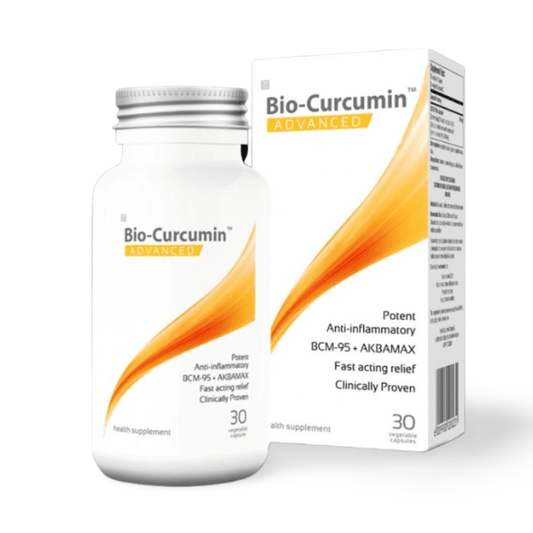
PHYTOCEUTICS Bio-Curcumin Advanced
Regular price R 649.00Regular price -
WILLOW Curcumin
Regular price R 610.00Regular price -
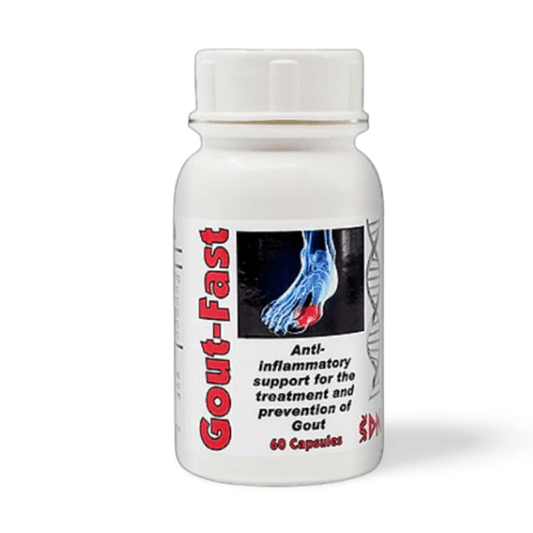
DNA Gout-Fast
Regular price R 224.00Regular price -
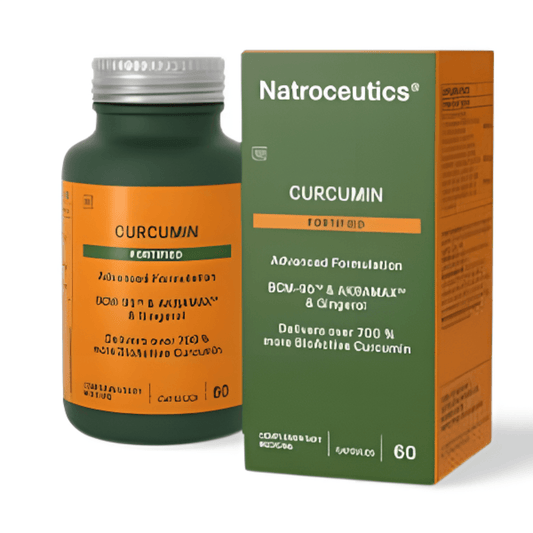
NATROCEUTICS Curcumin Fortified
Regular price R 625.00Regular price -
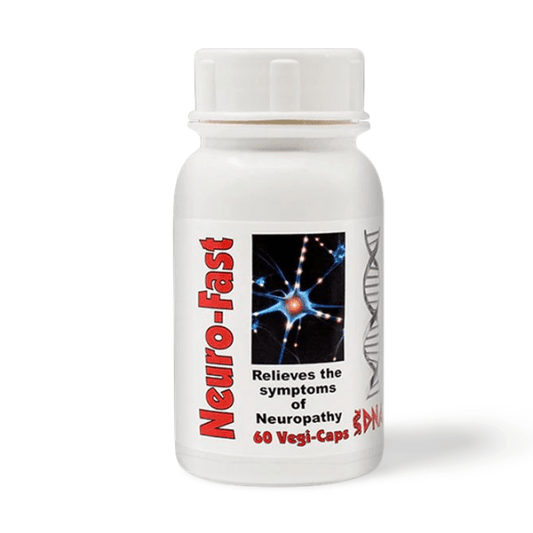
DNA Neuro-Fast
Regular price R 241.00Regular price -
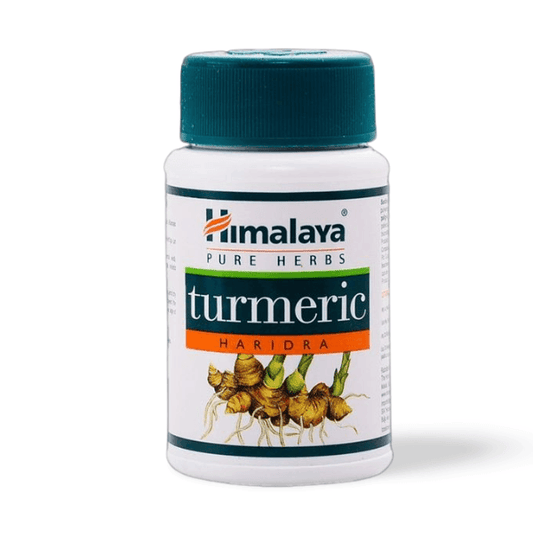
HIMALAYA Turmeric
Regular price R 222.00Regular price -
NEOGENESIS Hepaton
Regular price R 207.00Regular price -
GOODHEALTH Turmeric 15800 Complex
Regular price R 639.00Regular price -
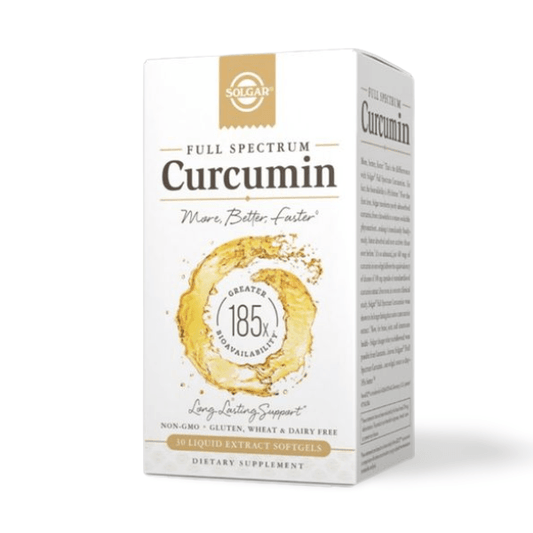
SOLGAR Full Spectrum Curcumin
Regular price R 661.00Regular price -
YOUR WELLBEING Curcumin Plus
Regular price R 622.00Regular price -
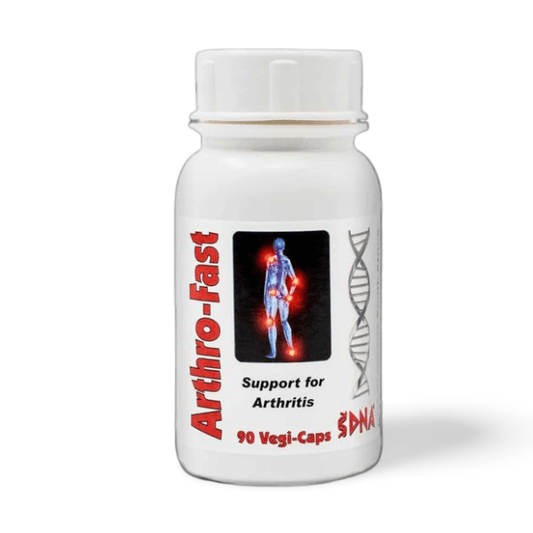
DNA Arthro-Fast
Regular price R 224.00Regular price -
PRIMESELF Inflammation Complex
Regular price R 345.00Regular price -
METAGENICS MetaAtive Curcumin Complex
Regular price R 595.00Regular price -
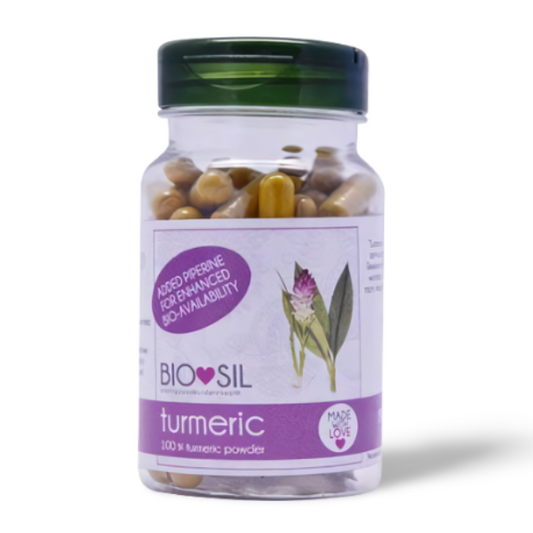
BIOSIL Turmeric
Regular price R 192.00Regular price -
NEOGENESIS Curcumigen
Regular price R 458.00Regular price








Curcumin Supplements: choose by format, not hype
Capsules, tablets, and nano tech — what actually matters
If you’re weighing curcumin pills versus curcumin tablets, focus on three levers: dose per serving, formulation tech, and tolerability. Standard extracts list curcuminoids (often 95%) but absorb poorly on their own; pairing with black pepper (curcumin black pepper supplements) or piperine (nano curcumin and piperine tablets) can boost uptake. Newer nano curcumin supplements and phospholipid complexes aim for steadier blood levels, often at lower doses. For South African shoppers searching curcumin pills South Africa or comparing curcumin tablets Dis-Chem, we surface SA-available formats and typical price brackets so you can pick value without compromising on bioavailability. If you’re sensitive, start with modest doses; if you’re chasing joint support, consider “best turmeric curcumin supplement” formulas with proven absorption enhancers and split dosing for consistency. Bio-performant ≠ mega-dose — steadiness beats spikes.
Benefits & use-cases you’ll actually feel with Curcumin Supplements
Let’s cut the brochure talk. The best outcomes reported for curcumin supplement benefits centre on inflammatory biomarkers and comfort in joints and soft tissue, with meta-reviews showing signals on CRP/IL-6/TNF-α in specific cohorts. That’s why “best curcumin supplement for arthritis” queries trend toward enhanced-absorption formats. If you want a culinary-adjacent option, turmeric curcumin supplement hybrids exist, but remember: curcumin is the active; turmeric is the spice matrix (curcumin supplement vs turmeric / curcumin vs turmeric supplements). Stacking with ginger (curcumin and ginger tablets) can complement GI comfort; pairing with piperine (curcumin black pepper supplements) aids uptake but may not suit everyone. South Africans asking for the best curcumin supplement South Africa will see labelling clarity, interaction flags, and realistic serving sizes — so you get the upside without the nonsense.
What “price vs. performance” looks like in SA
Hunting for curcumin tablets side effects info while also eyeballing cost? Smart. We display curcumin supplement reviews call-outs where available, plus a “value per 100 mg curcuminoids” note to benchmark curcumin supplement and curcumin pills benefits against your budget. If you prefer local OTC access, we annotate “pharmacy-friendly” picks (think curcumin tablets Dis-Chem, curcumin supplements Dis-Chem equivalents) and ship nationwide for curcumin supplements South Africa shoppers. Where curcumin price swings, it’s usually formulation tech (nano/phytosome), inclusion of piperine, and third-party testing. If you’re switching from food-grade turmeric, expect lower doses on paper but higher impact from bioavailable forms — that’s the entire point of these delivery systems.
Safety, interactions & who shouldn’t experiment with Curcumin Tablets
Curcumin is generally well-tolerated, but it’s not a free pass. Enhanced-absorption products may raise the risk of rare liver injury in susceptible people; anticoagulant/antiplatelet use, gallbladder disease, pregnancy, and certain meds (including some diabetes and blood pressure drugs) require caution. If your search included curcumin and blood pressure tablets, read the interaction notes — curcumin can modestly lower BP, potentially stacking with meds. For diabetes, co-use with metformin needs professional oversight. GI effects (nausea, loose stools) happen at higher doses or on an empty stomach; dial back and take with food. If you need “always-on” daily use, pick moderate doses and monitor how you feel week to week. Sensible, steady, and label-led wins here.
Shop Curcumin Pills from The Good Stuff
Note: Interaction-prone scenarios also include anticoagulants/antiplatelets and some curcumin and blood pressure tablets contexts. Always read labels, keep doses moderate, and speak to a professional if you’re on chronic meds.
You want Curcumin Supplements that deliver without drama. The Good Stuff curates formats that are clear on dosage, honest on bioavailability, and transparent on safety—so you can buy once, use it right, and actually notice the difference. Compare, choose, and keep it consistent. (The Good Stuff. The Good Stuff. The Good Stuff.) Shop similar collections: Amino Acid Supplements | Ashwagandha Supplements | Anti-Aeging Supplements | Ayurvedic Supplements | Baby Supplements | Berberine Supplement | Best Hair Supplements for Hair Growth | Best Fat Burning Supplements | Best Omega 3 Supplements
Frequently Asked Questions about Curcumin Supplements
Do we need to be taking curcumin as a supplement?
Short answer: not everyone. Curcumin isn’t a dietary essential; it’s a bioactive with potential benefits in specific contexts (e.g., joint comfort, certain inflammatory markers). Authoritative overviews note evidence is mixed across conditions; some meta-analyses show improvements in inflammatory biomarkers, but effects vary by dose and formulation. If you eat a balanced diet and don’t have a use-case, you don’t “need” curcumin. If you’re targeting a defined goal — joint stiffness, post-exercise soreness, or clinician-guided use in NAFLD or metabolic markers — a well-absorbed curcumin may help, typically as an adjunct to standard care and lifestyle, not a replacement. Start at conservative doses, match the format to your tolerance, and re-assess after 8–12 weeks. Sources emphasise that benefits are more consistent with enhanced-bioavailability products and regular dosing, not sporadic mega-caps.
Is curcumin supplement safe for dogs?
Data in pets are promising but limited. Veterinary reviews suggest curcumin is generally well-tolerated in dogs and often explored for joint comfort, but bioavailability is a challenge and robust canine RCTs are sparse. Some multi-ingredient joint formulas include curcumin with mussel extracts or plant polyphenols; safety appears acceptable at labelled doses, yet interactions (e.g., with anticoagulants/NSAIDs) are a consideration. Practical take: only use dog-specific products, stick to the manufacturer’s dose by weight, and loop in your vet if your dog is on meds or has liver/GI issues. Avoid human capsules unless your vet directs otherwise — excipients and doses differ.
What is the best curcumin supplement on the market?
“Best” depends on your goal and tolerance. For joints or systemic effects, choose a formulation with proven absorption support: curcumin-piperine, phospholipid (e.g., phytosome), or nano curcumin supplements with published pharmacokinetic data. Head-to-head studies show large bioavailability differences between brands (sometimes >10x), so chasing the absolute highest dose isn’t the play — absorption and steady exposure matter more. In South Africa, look for transparent curcuminoid content per capsule, third-party testing, and clear interaction warnings. If you react to piperine, opt for phytosome or other non-pepper tech. Keep dosing consistent for 8–12 weeks before judging.
When is the best time to take a bio curcumin supplement?
Take with a meal containing fat to support absorption and reduce GI upset. Split doses (morning/evening) can stabilise exposure for people seeking all-day effects. Avoid stacking with other potentially irritating supplements on an empty stomach. If you’re on prescription meds, separate dosing by several hours and follow your clinician’s advice, especially with anticoagulants, antiplatelets, and some diabetes or blood pressure drugs. Enhanced-bioavailability formats (phytosome, nano, piperine) still benefit from food timing. Consistency beats clock-watching — pick times you won’t miss.
What are the benefits of taking curcumin?
The most credible signals are anti-inflammatory and antioxidant: reductions in CRP/IL-6/TNF-α in certain groups, with downstream benefits in joint comfort and some metabolic markers. There’s early evidence for oral mucositis support in oncology settings and exploratory data in NAFLD and mood symptoms, but findings aren’t universal and often hinge on the formulation used. Translation: choose a bioavailable form, set a realistic goal (comfort, recovery), and evaluate after a defined trial period. Don’t substitute it for medical treatment
Who should not take curcumin?
Avoid or use only under medical supervision if you’re pregnant or breastfeeding; if you have gallbladder disease, active liver issues, bleeding disorders; or if you’re on anticoagulants/antiplatelets or certain chemo/antihypertensive/antidiabetic agents. Regulatory and clinical sources also flag a rare risk of liver injury, especially with high-dose or enhanced-absorption products, and higher caution in those with prior liver disease. If you develop jaundice, dark urine, severe nausea, or right-upper-quadrant pain, stop and seek care.
Is it okay to take curcumin every day?
Daily use at labelled doses is common in trials and generally well-tolerated short-term. Long-term safety looks acceptable for many, but monitoring makes sense if you’re on interacting meds or have liver/gallbladder history. Stick to moderate doses, take with food, and reassess periodically. If you’re layering piperine or using nano/phytosome formulas, don’t exceed recommended dosing — more isn’t automatically better and may raise side-effect risk.
Is curcumin good for diarrhoea?
Not typically a first-line strategy. Curcumin can irritate the GI tract at higher intakes and, in some users, actually cause loose stools. If your diarrhoea is inflammatory or post-infectious, discuss targeted care with a clinician. Hydration, BRAT-style diet adjustments, and identifying triggers matter more. If you already use curcumin and notice GI upset, reduce the dose, take with meals, or stop and reassess.
Are turmeric supplements linked to liver damage?
Yes — rarely, but credibly. Case series and regulator investigations have documented turmeric/curcumin-associated liver injury, with higher risk suggested for high-dose or enhanced-absorption products and in people with prior liver disease. Most cases resolved after stopping the supplement, but severe outcomes (including one death) have been reported. Culinary turmeric in food isn’t the issue; the concern is concentrated supplements. Use labelled doses, avoid stacking brands, and check for interactions. If symptoms of liver trouble appear, stop and get evaluated.
Are turmeric supplements bad for your liver?
“Bad” is an overreach; “not risk-free” is accurate. Many trials show neutral or even favourable liver enzyme changes in defined groups, but idiosyncratic liver injury can occur. Risk rises with high doses, boosted-absorption tech, poly-supplementing, or underlying liver disease. Keep doses sensible, choose reputable brands, and monitor for symptoms. Cooking with turmeric is generally safe.
Are turmeric supplements effective?
Depends on the endpoint and the product. Evidence is strongest for modest improvements in inflammatory markers and joint comfort when using bioavailable forms at consistent doses. Results vary across conditions; for some (e.g., general wellness claims), data are preliminary. Effectiveness hinges on formulation and adherence more than label hype.
Can I take turmeric supplements while pregnant?
Best avoided unless your healthcare provider advises otherwise. Food-level turmeric is considered safe, but concentrated turmeric/curcumin supplements in pregnancy lack robust safety data and are generally not recommended. If you’re considering any supplement during pregnancy, get individual medical guidance.
Can I take turmeric supplements while breastfeeding?
Food amounts are considered compatible with lactation; supplement-level dosing lacks solid data. Authoritative databases note no measured milk levels and limited safety evidence. Practical guidance: avoid high-dose curcumin supplements while breastfeeding unless a clinician recommends them; if used, keep doses modest and monitor the infant for GI changes or rash.
Can I take turmeric supplements with metformin?
Use caution and involve your clinician. Curcumin can lower blood glucose; combining with antidiabetic drugs may increase hypoglycaemia risk in some contexts. Limited human data suggest no major pharmacokinetic clash with certain curcumin formulations, but glycaemic effects can be additive. If your provider approves co-use, start low, monitor glucose closely, and adjust therapy only under medical supervision.

The Good Stuff
Discover a world of wellness at The Good Stuff, South Africa's trusted destination for premium health supplements. With over two decades of expertise from Cape Town, we bring you a curated collection of vitamins and products designed for your optimal well-being.
Our online store extends our legacy of quality and effectiveness right to your doorstep. With The Good Stuff, you're not just purchasing supplements, you're investing in a healthier, vibrant life.
Embark on your wellness journey with us, and let The Good Stuff nurture your path to better health!