
Collection: Zinc Supplement
Zinc isn’t just another supplement—it’s one of the most vital minerals for your immune system, skin, and overall well-being. At The Good Stuff, we stock premium zinc capsules that are easy to absorb and clinically formulated to help your body heal, defend, and thrive. Whether you’re taking zinc for immune system support, skin health, or hormonal balance, our selection includes bioavailable zinc supplements designed for the whole family—from zinc for kids to high‑potency options for adults.
We also offer zinc and magnesium, zinc and selenium, and iron and zinc supplements for targeted support in energy, immunity, and cellular health. If you’re looking for the best zinc supplements in South Africa, we deliver trusted formulations right to your door.
Berberine Supplement | Magnesium Supplements | Supplements for High Blood Pressure

-
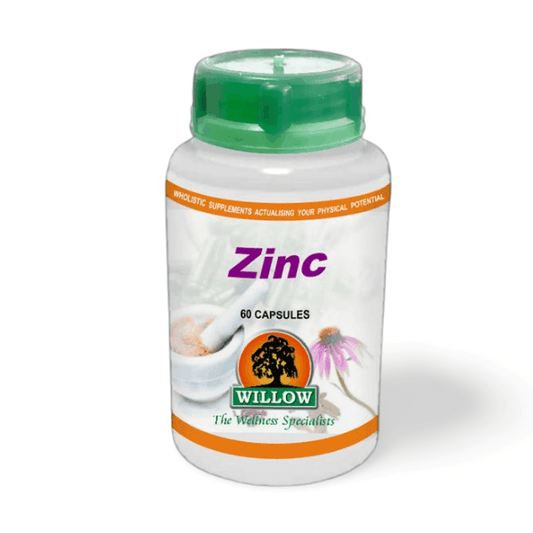
WILLOW Zinc
Regular price R 132.00Regular price -
WILLOW Zinc/Magnesium/B6
Regular price R 212.00Regular price

Why Take Zinc Supplements?
Zinc Supplement Benefits You Can Actually Feel
Zinc is involved in over 300 enzyme functions in the body, influencing everything from immune response to skin repair.
Science‑backed zinc supplement benefits include:
- Stronger immunity – supports white blood cell production and shortens recovery from colds.
- Healthier skin – reduces inflammation, aids in wound healing, and supports acne management.
- Hormonal balance – vital for reproductive health in both men and women.
- Hair & nail strength – promotes keratin and collagen production.
- Cellular defense – acts as a powerful antioxidant mineral to protect against oxidative stress.
Zinc for Skin, Hormones & More
Zinc for skin health has been widely studied for acne support, eczema, and wound healing. It reduces skin inflammation and regulates oil production, making it a top choice for acne support.
For men’s health, zinc plays a crucial role in testosterone production and sperm quality, while for women, it supports menstrual health and hormonal balance.
Combinations That Work
Some formulations combine zinc with magnesium, selenium, or iron to enhance benefits:
- Zinc & Magnesium – for muscle recovery and nervous system support.
- Zinc & Selenium – for thyroid and immune health.
- Iron & Zinc – for energy production and overall vitality.
Shop South Africa’s favourite online health shop The Good Stuff. Explore more of our collections: Bach Flower Remedies | Collagen Powder | Magnesium Glycinate | Shilajit | Shilajit Gummies | Viridian | Weight Loss Supplements | Willow Supplements
Frequently Asked Questions about Zinc Supplements
What are the main benefits of taking zinc?
Zinc supports immune defense, skin healing, reproductive health, and antioxidant activity. It’s essential for enzymes involved in cell growth, DNA repair, and fighting inflammation. Research shows zinc can shorten cold duration, improve skin barrier function, and aid in wound healing (NIH Office of Dietary Supplements).
Does zinc reduce belly fat?
While zinc itself doesn’t directly burn fat, studies link zinc deficiency to slower metabolism, increased inflammation, and poor insulin regulation, which can influence weight gain around the midsection. Supplementing zinc may improve insulin sensitivity and support metabolic health, which can indirectly help with weight management (Advances in Nutrition, 2019).
What does zinc do to the skin?
Zinc helps regulate oil production, reduce inflammation, and support collagen synthesis, making it a powerful nutrient for acne, eczema, and wound healing. It also assists in repairing damaged skin tissue and maintaining a strong skin barrier (Dermato-Endocrinology, 2017).
What food is highest in zinc?
Top zinc‑rich foods include oysters (the highest natural source), red meat, pumpkin seeds, chickpeas, cashews, and whole grains. Animal sources are better absorbed than plant sources due to lower phytate content (NIH).
When to take zinc – morning or night?
Zinc is best taken on an empty stomach for optimal absorption, either in the morning or between meals. If it causes stomach discomfort, take it with a small snack. Avoid taking it right before bed if you experience nausea.
What not to take zinc with?
Avoid taking zinc with high‑calcium foods/supplements, iron, or coffee at the same time, as they may reduce absorption. If you’re using iron and zinc supplements, take them at separate times unless they’re in a balanced, combined formula (Harvard Health).
How do I know if I need zinc?
Signs of deficiency include frequent infections, slow wound healing, hair thinning, skin issues, poor appetite, and low libido. Blood tests can help confirm deficiency, but symptoms often guide clinical use (Mayo Clinic).
What is the disease caused by lack of zinc?
Severe deficiency can cause Acrodermatitis enteropathica, a rare inherited disorder marked by skin lesions, hair loss, and immune dysfunction. In milder forms, chronic low zinc leads to impaired growth, delayed wound healing, and increased infection risk (NIH).
How can I check my zinc level at home?
While at‑home zinc taste tests exist, they are not clinically reliable. The most accurate way is a plasma or serum zinc blood test, performed in a lab or under medical supervision.
Can zinc cause heartburn?
Yes, taking zinc on an empty stomach or in high doses may cause heartburn, nausea, or a metallic taste. Splitting doses or taking with a light meal can help reduce discomfort (NIH).
Can zinc give you stomach problems?
Mild digestive issues such as nausea, cramps, or diarrhea can occur, especially with high doses. Stick to the recommended dosage (usually 8–11 mg daily for adults) unless otherwise advised by a practitioner.
Why does my chest hurt after taking zinc supplement?
This may be related to acid reflux or irritation of the esophagus, often from taking zinc on an empty stomach. If this persists, lower the dose or switch to a different form of zinc (like zinc picolinate or citrate), which may be gentler.

The Good Stuff
Discover a world of wellness at The Good Stuff, South Africa's trusted destination for premium health supplements. With over two decades of expertise from Cape Town, we bring you a curated collection of vitamins and products designed for your optimal well-being.
Our online store extends our legacy of quality and effectiveness right to your doorstep. With The Good Stuff, you're not just purchasing supplements, you're investing in a healthier, vibrant life.
Embark on your wellness journey with us, and let The Good Stuff nurture your path to better health!