
Collection: Herbal Supplements
For centuries, herbal remedies have been at the heart of natural healing—from calming chamomile for sleep to ashwagandha for stress, turmeric for inflammation, and fenugreek for breastfeeding support. At The Good Stuff, we bring that tradition to your door with carefully selected herbal supplements that are evidence‑informed, plant‑based, and crafted for real results. Whether you’re seeking digestive health herbal blends, immune‑boosting herbs, or adaptogenic stress‑relief formulas, our shop stocks antioxidant‑rich herbal capsules, detox blends, and herbal remedies for hormone balance, libido, and energy.
Are you looking for herbal supplements that address adrenal fatigue, promote hair growth, or help with panic attacks? We curate options trusted by practitioners and rooted in traditional herbal medicine, ready for you to buy online with nationwide delivery across South Africa.
Weight Loss Supplements | Willow Supplements | Zinc Supplement

-
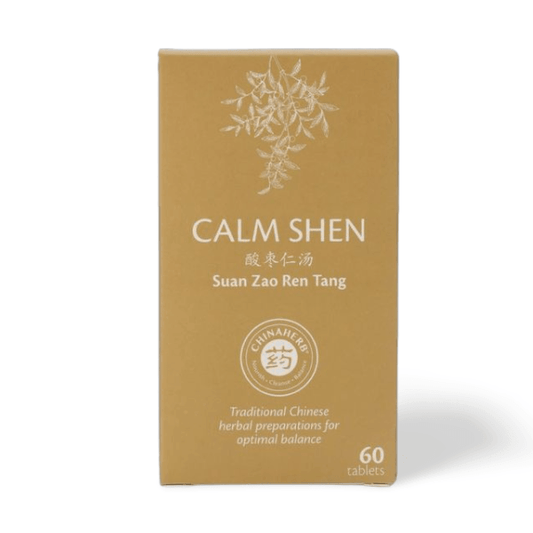
CHINAHERB Calm Shen
Regular price R 223.00Regular price -
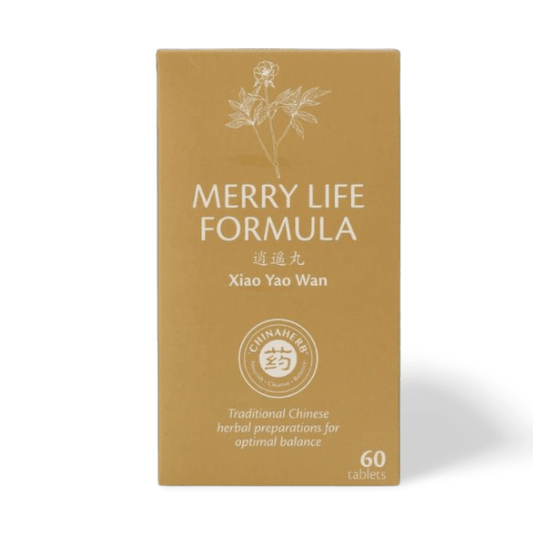
CHINAHERB Merry Life Formula
Regular price R 223.00Regular price -
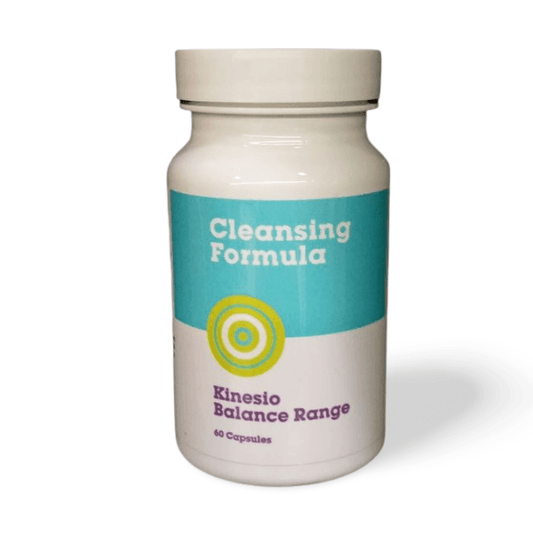
KINESIO BALANCE Cleansing Formula
Regular price R 290.00Regular price -
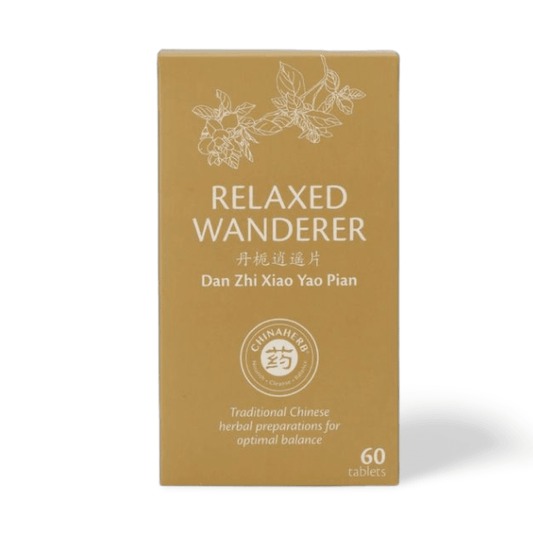
CHINAHERB Relaxed Wanderer
Regular price R 223.00Regular price -
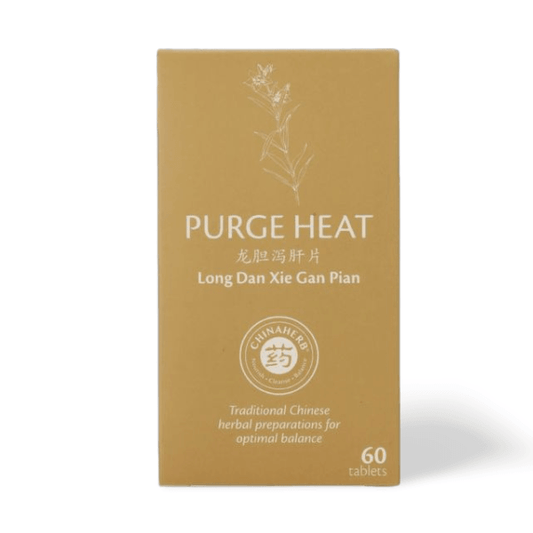
CHINAHERB Purge Heat
Regular price R 223.00Regular price -
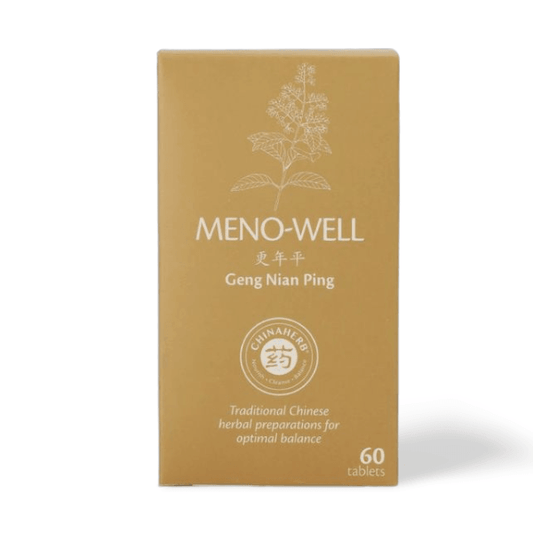
CHINAHERB Meno-Well
Regular price R 223.00Regular price -
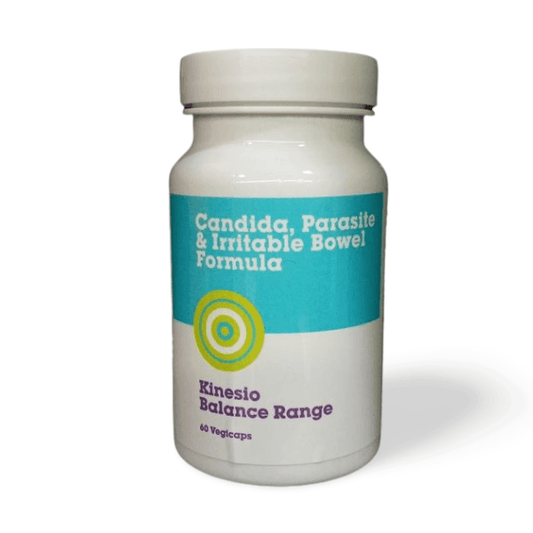
KINESIO BALANCE Candida, Parasites and IB Formula
Regular price R 370.00Regular price -
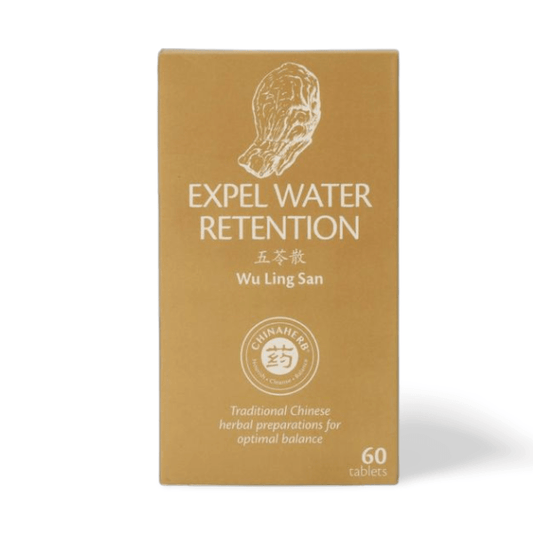
CHINAHERB Expel Water Retention
Regular price R 223.00Regular price -
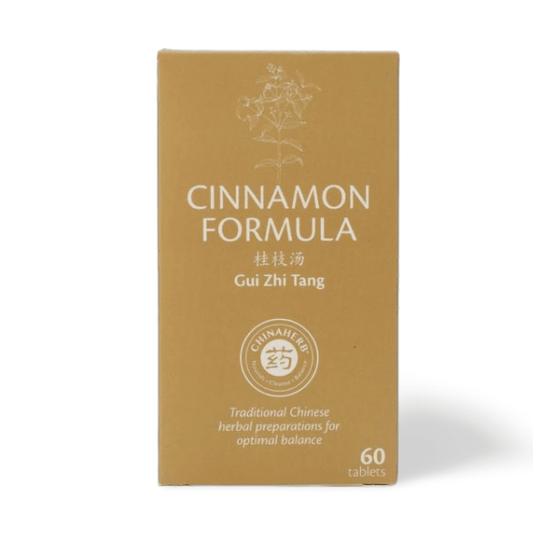
CHINAHERB Cinnamon Formula
Regular price R 223.00Regular price -
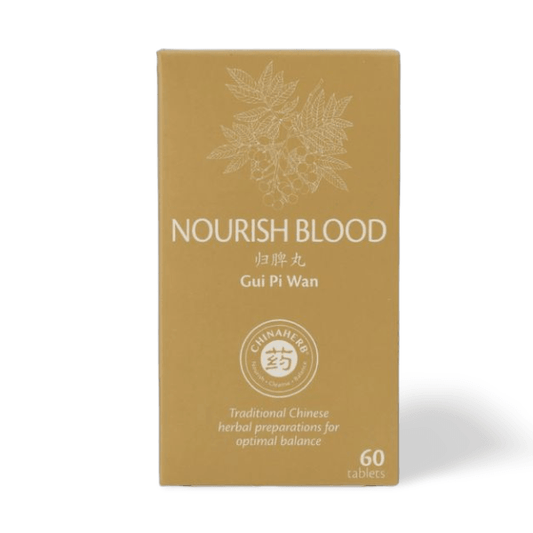
CHINAHERB Nourish Blood
Regular price R 223.00Regular price -
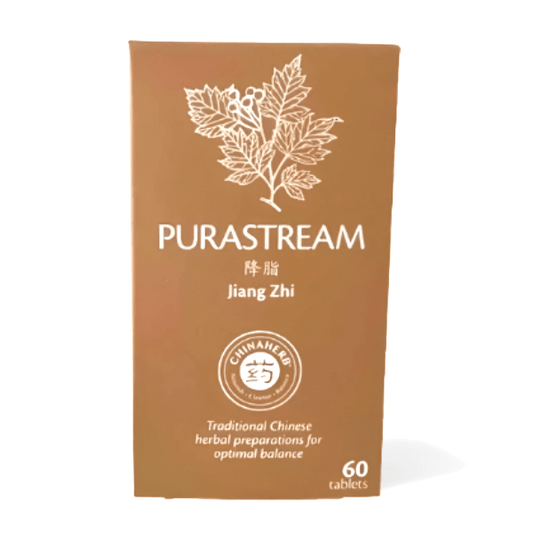
CHINAHERB Purastream (Jiangzhi)
Regular price R 223.00Regular price -
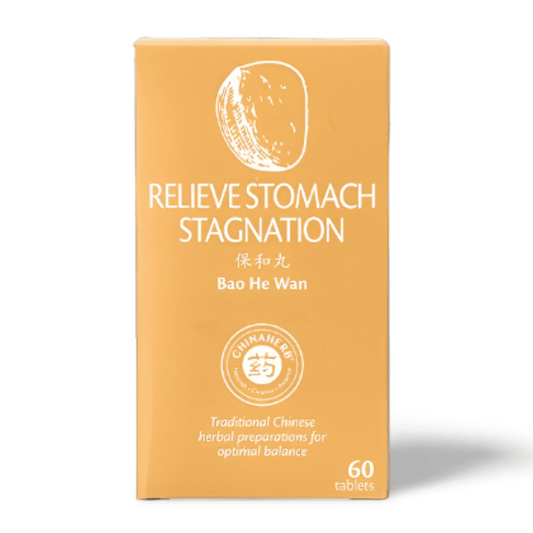
CHINAHERB Relieves Stomach Stagnation
Regular price R 223.00Regular price -
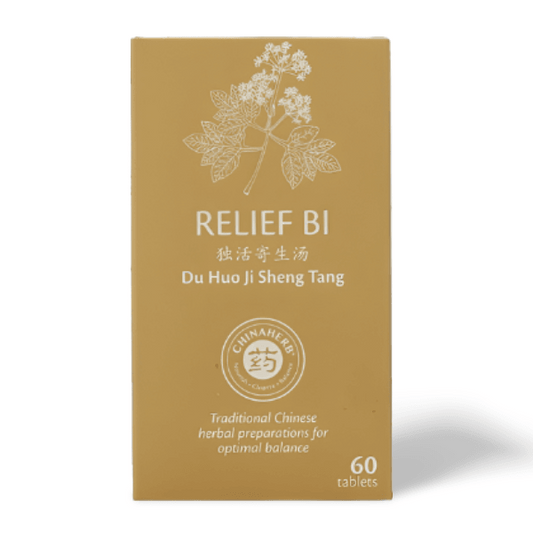
CHINAHERB Relief Bi
Regular price R 223.00Regular price -
CHINAHERB Ache Ease
Regular price R 223.00Regular price -
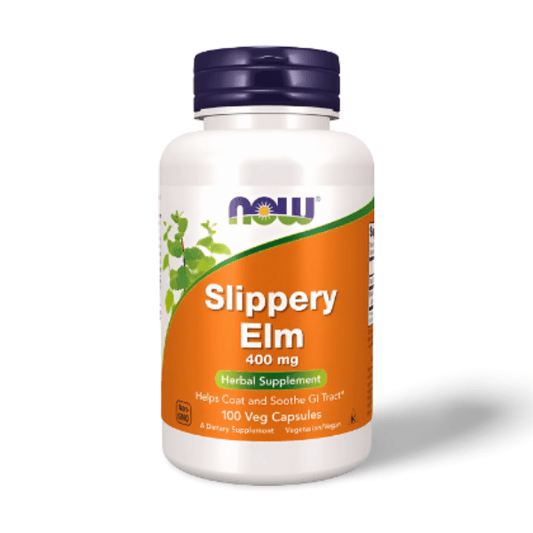
NOW Slippery Elm
Regular price R 300.00Regular price -
WILLOW Ashwagandha
Regular price R 180.00Regular price


Why Choose Herbal Supplements?
A Bridge Between Tradition & Science
Herbal supplements combine time‑tested plant wisdom with modern extraction techniques, delivering concentrated active compounds that support the body’s natural healing processes.
Key benefits include:
- Stress resilience – Adaptogenic herbs like ashwagandha and rhodiola help balance cortisol.
- Immune defense – Echinacea, elderberry, and astragalus support immune readiness.
- Digestive support – Ginger, peppermint, and digestive blends ease bloating and discomfort.
- Energy & libido – Ginseng and maca root are known for boosting vitality and stamina.
- Hormonal & reproductive support – Fenugreek, vitex, and dong quai help balance hormones.
- Anti‑inflammatory effects – Herbs like turmeric and boswellia reduce systemic inflammation.
Explore Herbal Supplements for Every Need
At The Good Stuff, our herbal supplement shop offers more than just capsules—it’s a curated space for plant‑based health support rooted in traditional herbal medicine and modern wellness science. Whether you need a herbal supplement for sleep, a digestive health herbal blend, or a stress relief herbal formula, our range is crafted to meet diverse wellness goals.
We also stock herbal supplements for adrenal fatigue, panic attacks, and hair growth, along with herbal supplements to increase male libido and hormone balance herbal supplements for women. Looking for the best herbal anti‑inflammatory supplements? Our antioxidant‑rich herbal capsules, including turmeric and boswellia, support joint comfort and systemic wellness.
New mothers can explore fenugreek herbal supplements for breastfeeding, while those focused on detox and gut health will appreciate our herbal detox support and immune‑boosting herbs.
And because quality matters, we provide transparency from herbal supplement interaction checkers to storage guidance (yes, herbal supplements do expire), ensuring safety and potency.
Shop confidently at our herbal supplement store, where you can buy herbal supplements online in South Africa and enjoy trusted delivery from your local health shop for herbal remedies.
Our range is quality‑controlled, ethically sourced, and backed by transparent labelling—so you know exactly what you’re taking. Shop similar collections: Amino Acid Supplements | Ashwagandha Supplements | Anti-Aeging Supplements | Ayurvedic Supplements | Baby Supplements | Berberine Supplement | Best Hair Supplements for Hair Growth | Best Omega 3 Supplements | Best Iron Supplements | Best Vitamin D Supplements | Biotin Supplements | Bone Supplements | CBD Supplements | Cholesterol Supplements | Clove Supplements | Cognitive Health Supplements | Collagen Supplements
Frequently Asked Questions about Herbal Supplements
What is an herbal supplement?
An herbal supplement is a concentrated preparation of plants (leaves, roots, bark, flowers, or seeds) designed to support health. They may come as capsules, powders, tinctures, or teas and often provide bioactive compounds like flavonoids, alkaloids, and saponins.
Is it safe to take herbal supplements?
Generally, yes—when taken at recommended doses and sourced from reputable suppliers. However, quality varies greatly, and some herbs can interact with medications or be unsafe for pregnancy, children, or certain conditions. Always consult a healthcare provider for personalised advice.
Why do people use herbal supplements?
People take herbal remedies for natural wellness support, including stress relief, immune strengthening, hormone balancing, energy boosting, and improved digestion. They are popular among those seeking gentler alternatives or complements to pharmaceutical interventions.
What are the benefits of herbal supplements?
Herbs provide a synergy of active compounds that support multiple systems at once—for example, turmeric reduces inflammation, while ashwagandha lowers stress and supports hormone balance. Many also provide antioxidants to protect cells from oxidative stress.
Do supplements have side effects?
Yes—even herbal supplements can cause side effects like digestive upset, headaches, or allergic reactions. For example, kava may cause drowsiness, while high doses of liquorice root can raise blood pressure. Always follow dosing guidelines.
How do herbal supplements work?
They work by delivering bioactive plant compounds that modulate pathways in the body—e.g., adaptogens help balance stress hormones, anti‑inflammatory herbs reduce cytokine activity, and digestive herbs stimulate gastric enzymes.
Can taking too many herbal supplements be harmful?
Absolutely. Overdosing can cause toxicity or amplify side effects. Combining multiple herbal products without guidance can also lead to dangerous interactions (e.g., St John’s wort interfering with antidepressants).
What does an herbalist do?
An herbalist specialises in using plants for health support, often creating personalised blends for conditions like stress, digestive imbalance, or hormonal issues. They work alongside or independently of medical practitioners.
What is the difference between herbal tea and herbal supplements?
Herbal teas provide mild support through low‑dose infusion, while herbal supplements (capsules, tinctures, extracts) deliver concentrated doses for therapeutic effects.
Is turmeric considered an herbal supplement?
Yes. Turmeric is a herbal anti‑inflammatory used for joint pain, digestive health, and antioxidant support, often standardized for curcumin content for consistent potency.
Are herbal supplements better than vitamins?
They serve different purposes. Vitamins provide essential micronutrients, while herbs deliver bioactive plant compounds for targeted support. Often, they work best together.
What herb gives you the most energy?
Ginseng, maca, and rhodiola are well‑studied for boosting energy and endurance by supporting the adrenal glands and improving mitochondrial efficiency.
Do herbal supplements actually work?
Many do—with scientific evidence supporting herbs like echinacea (immune support), turmeric (anti‑inflammation), and ashwagandha (stress resilience). However, effectiveness depends on quality, dosage, and individual response.
What to know before taking herbal supplements?
Check for:
- Quality – choose tested, standardized products.
- Interactions – review any medications you’re on.
- Medical conditions – some herbs are contraindicated in pregnancy or chronic illness.

The Good Stuff
Discover a world of wellness at The Good Stuff, South Africa's trusted destination for premium health supplements. With over two decades of expertise from Cape Town, we bring you a curated collection of vitamins and products designed for your optimal well-being.
Our online store extends our legacy of quality and effectiveness right to your doorstep. With The Good Stuff, you're not just purchasing supplements, you're investing in a healthier, vibrant life.
Embark on your wellness journey with us, and let The Good Stuff nurture your path to better health!