

Digestive Enzymes: Learn About Better Digestion & Nutrient Absorption
1. Introduction: What are Digestive Enzymes and Why They Matter
Digestive enzymes are specialized proteins that break down food into absorbable nutrients, helping millions of people overcome digestive issues like bloating, gas, and lactose intolerance. In this guide, you’ll learn what digestive enzymes are, how they work, and how to use them effectively for optimal digestive health.
If you experience uncomfortable symptoms after eating certain foods, struggle with dairy products, or feel bloated after meals, digestive enzyme supplements might provide the relief you’re seeking. These powerful biological catalysts assist your body’s natural digestive process when your pancreas and other organs don’t produce enough enzymes on their own.
This comprehensive guide covers enzyme types, natural production versus supplement sources, step-by-step usage instructions, and safety considerations. Whether you’re dealing with lactose intolerance affecting 75% of the world’s population or seeking better nutrient absorption, you’ll find practical solutions backed by scientific research.
Shop Digestive Enzyme Supplements
2. Understanding Digestive Enzymes: Key Types and How They Work
2.1 Core Enzyme Types and Functions
Digestive enzymes fall into three main categories, each targeting specific nutrients through chemical reactions:
Protease breaks down proteins into amino acids, enabling your body to absorb essential building blocks for tissue repair and immune function. Key proteolytic enzymes include pepsin (stomach), trypsin and chymotrypsin (pancreas), plus plant-derived options like bromelain from pineapple and papain from papaya.
Lipase breaks down fats and oils into fatty acids and glycerol. Your pancreas produces the primary lipase enzyme, though your stomach and small intestine contribute additional lipase activity, especially important for absorbing fat-soluble vitamins.
Amylase converts carbohydrates and starches into simple sugars like glucose. Salivary amylase begins this process in your mouth, while pancreatic amylase continues the work in your small intestine.
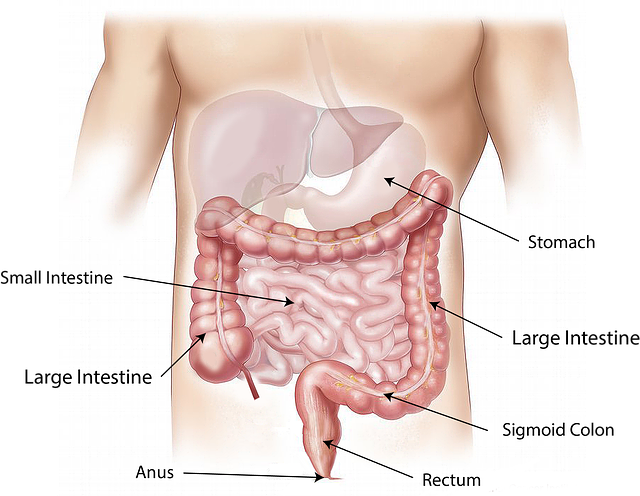
The intestines are a crucial site where digestive enzymes act to break down nutrients, allowing for efficient absorption and supporting overall digestive health.
Specialized enzymes target specific substances:
- Lactase breaks down lactose, the sugar found in milk and dairy products
- Alpha galactosidase handles complex carbohydrates in beans and vegetables that often cause gas
- Maltase, sucrase, and isomaltase process different types of sugars
- Cellulase and hemicellulase assist with plant fiber digestion

2.2 Natural Production vs Supplements
Your body naturally produces digestive enzymes in the pancreas, stomach, and small intestine. The pancreas serves as the primary enzyme factory, secreting a powerful cocktail of protease, lipase, and amylase directly into your digestive tract.
However, natural enzyme production can become insufficient due to:
- Aging (enzyme production naturally declines over time)
- Health conditions like cystic fibrosis or chronic pancreatitis
- Genetic factors (like lactase deficiency causing lactose intolerance)
- Medications that affect pancreatic function
- Digestive diseases that damage enzyme-producing tissues
When your body doesn’t make enough digestive enzymes, enzyme supplements can bridge the gap. These supplements derive from animal sources (usually pig pancreas), plant sources (like pineapple and papaya), or microbial fermentation processes using beneficial bacteria and fungi.
3. Why Digestive Enzymes are Important for Optimal Health
Digestive enzyme supplements offer significant benefits backed by clinical research, particularly for people with specific health conditions or enzyme deficiencies.
Improved Nutrient Absorption: When your body breaks down food more efficiently with the help of digestive enzymes, nutrients are absorbed into the bloodstream more effectively. This leads to better energy levels, improved immune function, and overall enhanced health outcomes.
Reduced Digestive Symptoms: Studies show enzyme supplements can significantly decrease bloating, gas, diarrhea, and stomach discomfort after eating. People with IBS often experience substantial symptom relief when using appropriate enzyme supplements.
Condition-Specific Benefits:
- Lactose Intolerance: Lactase supplements allow 85% of lactose-intolerant individuals to consume dairy products without symptoms
- Exocrine Pancreatic Insufficiency: Prescription enzyme therapy is essential for people with cystic fibrosis, helping them maintain proper nutrition and growth
- Fat Malabsorption: Lipase supplements prevent vitamin deficiencies and improve weight maintenance in people who can’t properly digest fats
The digestive enzyme supplement market reached $840 million in 2021, with over 8% annual growth driven by increasing awareness of gut health and enzyme decline with aging.

4. Digestive Enzyme Types Comparison Table
|
Enzyme Type |
Target Nutrients |
Natural Sources |
Supplement Examples |
Best For |
Typical Dosage |
|---|---|---|---|---|---|
|
Lactase |
Lactose (milk sugar) |
Small intestine brush border |
Lactaid, Dairy Ease |
Lactose intolerance, dairy sensitivity |
3,000-9,000 ALU units |
|
Alpha Galactosidase |
Complex carbohydrates |
Not naturally produced |
Beano, Gas-X Prevention |
Gas from beans, vegetables |
150-300 GalU units |
|
Broad Spectrum |
Proteins, fats, carbohydrates |
Pancreas, stomach |
Digest Gold, Super Enzymes |
General digestive support |
1-2 capsules per meal |
|
Bromelain |
Proteins |
Pineapple stem/fruit |
Individual bromelain supplements |
Protein digestion, inflammation |
500-1,000 mg |
|
Papain |
Proteins |
Papaya fruit |
Individual papain supplements |
Protein breakdown, digestive aid |
100-500 mg |
|
Lipase (Prescription) |
Fats and oils |
Pancreas |
Creon, Pancreaze |
Pancreatic insufficiency, cystic fibrosis |
25,000-50,000 USP units |
5. Addressing Health Conditions with Digestive Enzymes
Many people experience digestive challenges because their bodies do not produce enough digestive enzymes, often due to underlying health conditions. This shortage can lead to uncomfortable symptoms like bloating, gas, and diarrhea after eating certain foods. Digestive enzyme supplements are designed to help bridge this gap, making it easier for your body to break down carbohydrates, proteins, and fats, and ultimately improve digestion and nutrient absorption.
For those with lactose intolerance, taking lactase supplements can make a significant difference. The enzyme lactase breaks down lactose, the sugar found in dairy products, helping to prevent symptoms such as bloating, gas, and diarrhea after eating milk, cheese, or ice cream. Similarly, people who experience digestive discomfort after eating beans or certain vegetables may benefit from alpha galactosidase supplements, which help break down complex sugars that can otherwise cause gas and bloating.
Proteolytic enzymes like bromelain and papain are especially helpful for individuals who have trouble digesting proteins. These enzymes break proteins down into amino acids, making it easier for the body to absorb these essential nutrients. This can be particularly beneficial for people with health conditions that affect enzyme production, such as cystic fibrosis. In cystic fibrosis, the pancreas often cannot release enough digestive enzymes, leading to poor digestion and nutrient absorption. Enzyme supplements are a key part of managing this condition and maintaining overall health.
Individuals with irritable bowel syndrome (IBS) may also find relief from symptoms like bloating and abdominal pain by using digestive enzyme supplements tailored to their needs. By assisting the breakdown of certain foods that commonly trigger IBS symptoms, enzyme supplements can help improve digestive comfort and quality of life.
Because enzyme supplements can interact with medications and may not be suitable for everyone, it is essential to consult a healthcare provider before starting any new supplement, especially if you have a pre-existing health condition. While the FDA regulates prescription enzyme medications, over-the-counter enzyme supplements are not as strictly regulated, so it’s important to choose a high-quality product from a reputable manufacturer.
In summary, digestive enzyme supplements can be a valuable tool for managing a range of health conditions, from lactose intolerance and IBS to cystic fibrosis. By providing the enzymes your body needs to break down foods and absorb nutrients, these supplements can help reduce uncomfortable symptoms and support better overall health. Always consult your healthcare provider to ensure you are choosing the right enzyme supplement for your specific needs and to ensure safety and effectiveness.
Shop The Good Stuff for optimal health

5. Step-by-Step Guide to Using Digestive Enzymes Effectively
Step 1: Identify Your Digestive Needs
Start by assessing your symptoms and eating patterns to determine which enzyme supplement might help:
Symptom Assessment Checklist:
- Bloating or gas after eating dairy products (suggests lactase deficiency)
- Excessive gas after eating beans, broccoli, or cabbage (indicates need for alpha galactosidase)
- Stomach pain or diarrhea after fatty meals (may require lipase support)
- General digestive discomfort with mixed meals (could benefit from broad-spectrum enzymes)
Keep a food diary for one week, noting what you eat and any uncomfortable symptoms that follow. This helps identify trigger foods and the most appropriate enzyme supplement for your needs.
Conditions requiring medical evaluation:
- Severe abdominal pain
- Unexplained weight loss
- Chronic diarrhea lasting more than two weeks
- Signs of nutrient deficiencies (fatigue, hair loss, skin problems)
Step 2: Choose and Take the Right Enzyme Supplement
Timing is crucial for enzyme effectiveness. Take 1-2 capsules immediately before your meal or with the first bite of food. This ensures the enzymes mix with your food as digestion begins.
Specific Product Recommendations:
- For dairy issues: Lactase supplements (Lactaid) 30 minutes before consuming milk, cheese, or ice cream
- For gas-producing vegetables: Alpha galactosidase (Beano) with the first bite of beans, broccoli, or other trigger foods
- For general digestive support: Broad-spectrum enzyme blends containing protease, lipase, and amylase
Dosage Guidelines:
- Start with the lowest recommended dose to assess tolerance
- Increase gradually if needed, but don’t exceed package directions
- Take with your largest meals for maximum benefit
- Consult your healthcare provider before exceeding recommended dosages
Step 3: Monitor Results and Adjust
Track your progress over 2-4 weeks to evaluate enzyme effectiveness:
Metrics to Monitor:
- Frequency and severity of bloating episodes
- Gas production after eating trigger foods
- Bowel movement consistency and frequency
- Energy levels after meals
- Overall digestive comfort
Success Indicators:
- 50% or greater reduction in digestive symptoms
- Ability to eat previously problematic foods without discomfort
- Improved energy and less post-meal fatigue
- More regular, well-formed bowel movements
If you don’t see improvement after 4 weeks of consistent use, consult your healthcare provider. You may need a different enzyme formulation, higher doses, or evaluation for underlying digestive diseases.

6. Common Mistakes to Avoid with Digestive Enzymes
Mistake 1: Taking enzymes without meals or too long before eating Digestive enzymes work best when taken with food. Taking them on an empty stomach or hours before eating wastes their effectiveness since they need food substrates to break down.
Mistake 2: Using broad-spectrum enzymes when specific enzyme deficiency is known If you know you’re lactose intolerant, targeted lactase supplements work better than general enzyme blends. Specific enzymes provide higher concentrations of the enzyme you actually need.
Mistake 3: Ignoring potential allergic reactions to enzyme sources People with mold allergies may react to fungal-derived enzymes, while those with pork sensitivities should avoid pig pancreas-derived supplements. Always check ingredient sources and discontinue use if you experience allergic symptoms.
Pro Tip: Always start with lower doses and consult healthcare providers if you have galactosemia, alpha-gal syndrome, or take medications that affect digestion. Some enzyme supplements can interact with blood thinners or diabetes medications.
7. Real-Life Success Story: Managing Lactose Intolerance
Case Study: Sarah, a 28-year-old marketing professional, eliminated dairy-related digestive issues using lactase supplements.
Starting Situation: Sarah experienced severe bloating, cramping, and diarrhea within 30-60 minutes of consuming any dairy products. These symptoms forced her to completely avoid milk, cheese, yogurt, and ice cream, limiting her food choices and social dining experiences.
Steps Taken:
- Started taking Lactaid Fast Act (9,000 ALU units) 30 minutes before consuming dairy products
- Gradually tested tolerance with small amounts of milk and cheese
- Adjusted timing to take enzymes with the first bite of dairy-containing meals
- Maintained a symptom diary to track improvements
Results After 2 Weeks:
- 90% reduction in bloating and gas after dairy consumption
- Complete elimination of diarrhea episodes
- Successfully consumed pizza, ice cream, and coffee with milk without symptoms
- Improved quality of life and expanded food choices
Before/After Comparison:
|
Metric |
Before Enzymes |
After 2 Weeks |
Improvement |
|---|---|---|---|
|
Bloating episodes per week |
8-10 |
1-2 |
85% reduction |
|
Dairy avoidance |
100% |
10% |
90% improvement |
|
Social dining anxiety |
High |
Minimal |
Significant improvement |
|
Digestive comfort score (1-10) |
3 |
8 |
167% improvement |
8. FAQs about Digestive Enzymes
Q1: Are digestive enzyme supplements safe for daily use?
Generally safe for most people when used as directed. However, pregnant women, children, and those with specific allergies should consult healthcare providers first. The FDA regulates prescription enzymes but not over-the-counter supplements.
Q2: How long does it take for digestive enzymes to work?
Most people notice improvement within 30-60 minutes of taking enzymes with meals, with consistent benefits after 1-2 weeks of regular use. Maximum effectiveness typically occurs after 2-4 weeks of consistent supplementation.
Q3: Can I take digestive enzymes if I have IBS?
Many IBS sufferers find relief with digestive enzymes, particularly those with IBS-D (diarrhea predominant). However, consult your doctor as enzyme needs vary based on IBS type and individual triggers.
Q4: Do I need prescription enzymes or are over-the-counter options sufficient?
OTC enzymes work for most digestive issues like lactose intolerance and general digestive discomfort. Severe conditions like exocrine pancreatic insufficiency or cystic fibrosis require prescription-strength enzyme therapy monitored by healthcare providers.
Q5: Can digestive enzymes interact with my medications?
Some enzyme supplements may interact with blood thinners, diabetes medications, or other drugs. Always review supplement labels with your healthcare provider and pharmacist before starting any new enzyme regimen.
Q6: Are digestive enzymes like papain and bromelain being studied for cancer prevention or therapy?
Yes, ongoing research is exploring the potential roles of enzymes such as papain and bromelain in cancer prevention and as supportive therapy. Some studies suggest they may help reduce inflammation and support immune health, but more evidence is needed before they can be recommended for cancer treatment. Always consult your healthcare provider before using any supplement for cancer-related purposes.

9. Conclusion: Key Takeaways for Better Digestive Health
Digestive enzymes offer proven solutions for people struggling with food intolerances, digestive discomfort, and nutrient absorption issues. The four most important points for success include:
- Proper enzyme selection based on your specific digestive needs and trigger foods
- Correct timing by taking supplements immediately before or with meals
- Starting with appropriate doses and gradually adjusting based on symptom response
- Monitoring for improvements over 2-4 weeks while tracking digestive comfort
Take action today by trying a 2-week trial with an appropriate enzyme supplement based on your specific digestive needs. Start with lactase supplements if dairy causes problems, alpha galactosidase for gas from vegetables and beans, or broad-spectrum enzymes for general digestive support.
Remember to consult healthcare providers for persistent digestive issues, unexplained weight loss, or severe symptoms that don’t improve with enzyme supplementation. While digestive enzymes provide excellent relief for many people, they work best as part of a comprehensive approach to digestive health that may include dietary modifications, probiotics, and medical treatment for underlying conditions.
Your digestive health directly impacts your energy, immune function, and overall quality of life. With proper enzyme supplementation and professional guidance when needed, you can enjoy your favourite foods while maintaining optimal digestive comfort and nutrient absorption.