

Are Joint Supplements Effective?
Are Joint Supplements Effective? The Science Behind Popular Arthritis Remedies
Key Takeaways
- Joint supplements show mixed effectiveness, with some studies demonstrating modest benefits for osteoarthritis pain while others find no significant improvement over placebo
- Glucosamine and chondroitin are the most studied supplements, with combination therapy potentially as effective as NSAIDs for knee osteoarthritis in some trials
- Fish oil omega-3s demonstrate stronger evidence for reducing inflammation and joint stiffness, particularly in rheumatoid arthritis patients
- Supplements are not regulated by the FDA and can interact with medications like blood thinners, requiring medical supervision before use
- Global spending on joint supplements is projected to reach $3.5 billion by 2025, despite inconsistent scientific evidence
If morning stiffness has become your unwelcome alarm clock, you’re not alone. Millions of people worldwide turn to joint supplements, hoping these natural remedies might ease their arthritis pain and restore mobility. The supplement industry has responded enthusiastically—shelves overflow with promises of cartilage repair, reduced inflammation, and pain-free movement.
But are joint supplements effective? The answer isn’t as straightforward as you might hope. While some research suggests certain dietary supplements may provide modest relief for joint pain, the scientific landscape remains frustratingly mixed. Some studies show promising results, others find no meaningful difference from placebo, and a few even suggest potential harm.
This isn’t about crushing hope—it’s about helping you make informed decisions for your joint health. Whether you’re dealing with the daily reality of osteoarthritis, managing rheumatoid arthritis, or simply wondering if supplements might prevent future joint troubles, you deserve honest, evidence-based guidance.
Let’s explore what the research really tells us about joint pain supplements, examining both the promise and the limitations of these popular natural remedies.
The Research Reality: Mixed Evidence for Joint Supplement Effectiveness

The scientific consensus on joint supplement effectiveness resembles a complex puzzle with missing pieces. While supplement manufacturers often tout dramatic success stories, peer-reviewed research tells a more nuanced tale that requires careful interpretation.
Study results vary widely between different research trials, creating what researchers call “high heterogeneity” in the literature. This variation stems from several factors: different supplement formulations, varying dosages, diverse patient populations, and inconsistent study durations. When scientists attempt to combine results from multiple studies through meta-analyses, they often struggle to draw clear conclusions due to these methodological differences.
One particularly concerning finding emerged from a 2016 landmark study involving 164 osteoarthritis patients. Researchers discovered that some participants experienced potential worsening of symptoms when taking certain joint supplements compared to placebo groups. This unexpected result highlighted the importance of rigorous scientific testing rather than relying solely on anecdotal reports.
The GAIT (Glucosamine/Chondroitin Arthritis Intervention Trial) remains one of the largest and most cited studies in this field. This multi-centre trial, funded by the National Institutes of Health, examined nearly 1,600 participants with knee osteoarthritis over 24 weeks. The results were mixed: while the combination of glucosamine and chondroitin showed some promise for participants with moderate to severe pain, those with mild pain showed no significant improvement over placebo.
Interestingly, individual supplement studies often show different results than combination therapy research. Some participants respond well to single ingredients like chondroitin sulfate or fish oils, while combination formulas may dilute the effective dose of any one active compound. This complexity makes it challenging for both healthcare providers and patients to predict who might benefit from which approach.
The existing research also reveals a troubling pattern: many studies showing positive results are funded by supplement manufacturers, while independent trials more frequently find modest or negligible effects. This doesn’t necessarily invalidate positive findings, but it underscores the importance of looking at the full spectrum of evidence rather than cherry-picking favourable studies. Shop joint supplements.
Most Popular Joint Supplements and Their Evidence
Glucosamine and Chondroitin
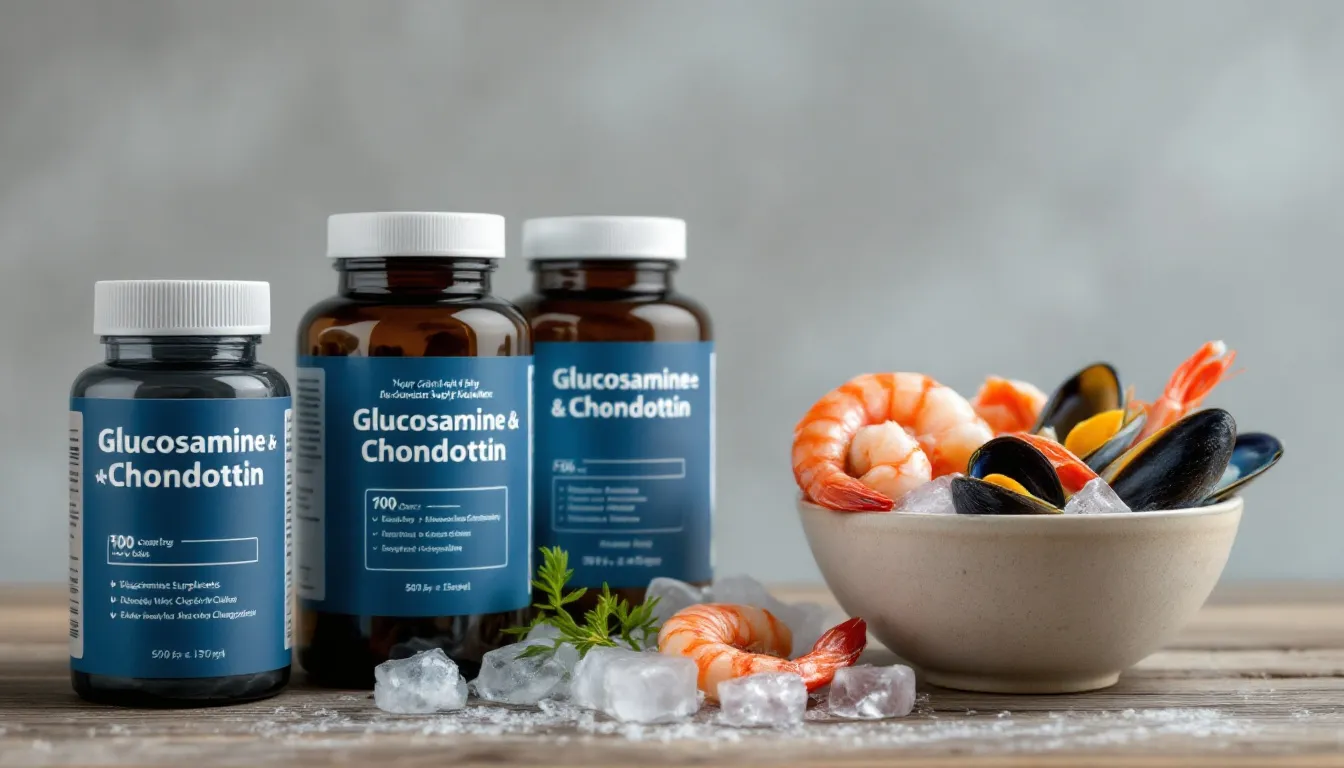
Glucosamine supplements represent one of the most extensively studied natural compounds for joint health, yet their effectiveness remains contentious. This natural chemical, derived primarily from shellfish shells, comes in two main forms: glucosamine sulfate and glucosamine hydrochloride. Glucosamine is a natural component of cartilage that prevents bones from rubbing against each other, highlighting its theoretical importance in joint health. The difference between the two forms matters more than many realise.
Glucosamine sulfate has shown more consistent results in clinical trials, with some studies suggesting it may help protect cartilage and reduce joint stiffness over time. Taking glucosamine in this form appears to be better absorbed by the body, though bioavailability remains a significant challenge. The typical dosage used in most studies is 1,500mg daily, usually taken in divided doses with meals.
Glucosamine hydrochloride, while more commonly found in combination supplements, has demonstrated less compelling evidence for effectiveness. Some researchers theorise that the sulfate component itself may contribute to joint health benefits, making the choice of supplement form crucial for potential outcomes.
Chondroitin supplements work through a different mechanism, theoretically providing building blocks for cartilage matrix and helping to maintain the gel-like properties that cushion joints. Chondroitin sulfate research shows modest benefits for cartilage protection and pain reduction, particularly in knee osteoarthritis patients.
The landmark MOVES trial compared a glucosamine-chondroitin combination (1,500mg and 1,200mg daily respectively) to the anti-inflammatory drug celecoxib in patients with knee osteoarthritis. Surprisingly, the supplement combination proved as effective as the pharmaceutical for reducing pain, stiffness, and swelling over six months. However, other well-controlled trials have failed to replicate such substantial effects, leaving the medical community divided.
Most supplements combining these ingredients require patience—studies suggest it may take 3-6 months of consistent use before noticeable effects emerge. This extended timeline often leads to early discontinuation, as people expect more immediate pain relieving effects similar to conventional pain relievers.
One critical consideration involves the source and purity of these supplements. Since they’re not as strictly regulated as pharmaceuticals, quality can vary dramatically between manufacturers. Some products may contain less active ingredient than claimed, while others might include contaminants that could potentially cause harm.
Omega-3 Fatty Acids (Fish Oil)

Fish oils containing omega 3 fatty acids present some of the most compelling evidence for natural anti inflammatory properties in joint health. Unlike glucosamine and chondroitin, which target cartilage structure, fish oil works by reducing inflammatory processes that contribute to arthritis symptoms.
The active compounds eicosapentaenoic acid (EPA) and docosahexaenoic acid (DHA) have demonstrated particular effectiveness for rheumatoid arthritis patients. Clinical trials consistently show that adequate doses of these omega-3s can reduce joint stiffness, morning stiffness duration, and the number of tender joints. Some studies even suggest that fish oil supplementation may allow patients to reduce their dependence on traditional anti inflammatory drugs.
Evidence supports minimum daily dosages of 1 gram combined EPA/DHA for meaningful anti inflammatory effects, though some studies use higher doses of 2-3 grams daily. This is considerably more than the small amounts found in many general multivitamin supplements, emphasising the importance of dedicated fish oil products for therapeutic purposes.
For those following vegetarian or vegan lifestyles, algae-based omega-3 supplements offer an alternative source of EPA and DHA. While these tend to be more expensive than traditional fish oils, they provide similar anti-inflammatory benefits without animal-derived ingredients.
The anti-inflammatory properties of fish oils extend beyond joints, potentially benefiting cardiovascular health and cognitive function. This broad spectrum of benefits makes omega-3 supplementation particularly attractive for people managing multiple health concerns alongside their arthritis pain.
However, high-dose fish oil supplementation isn’t without considerations. These supplements can increase bleeding risk, particularly when combined with blood thinners like warfarin. People taking anticoagulant medications should consult their doctor before starting fish oil supplements, as dosage adjustments may be necessary.
Curcumin and Turmeric Extract
The active compound in turmeric, curcumin extract, has gained significant attention for its powerful anti-inflammatory agent properties. Laboratory studies show that curcumin acts as a natural COX-2 inhibitor, targeting the same inflammatory pathways as some prescription medications but with potentially fewer side effects. Curcumin acts as a powerful anti-inflammatory agent and may relieve symptoms of both osteoarthritis and rheumatoid arthritis, making it a versatile option for joint health.
Clinical trials examining curcumin for knee osteoarthritis have shown promising results. Some studies demonstrate that 1,500mg daily of standardised curcumin extract can provide pain relief comparable to ibuprofen for managing osteoarthritis pain. Participants often report reduced joint stiffness and improved mobility within 8-12 weeks of consistent use.
The challenge with curcumin lies in bioavailability—the body struggles to absorb and utilise this natural compound effectively. Most clinical studies use specialised formulations that include piperine (from black pepper) or combine curcumin with fats to enhance absorption. Simply taking turmeric powder or basic curcumin supplements may not provide therapeutic levels of the active compound.
Safety considerations include potential interactions with certain medications, particularly those affecting liver function. While generally safe for most people, curcumin can occasionally raise eye pressure in susceptible individuals and may interact with blood-thinning medications.
SAM-e (S-Adenosyl-L-Methionine)
SAM-e represents one of the more expensive joint supplements, but research suggests it may offer unique benefits beyond typical pain relief. This chemical compound, naturally produced in the liver, appears to protect cartilage while providing pain relief comparable to some NSAIDs.
Clinical studies typically use 1,200mg daily of SAM-e, with effects generally becoming apparent after several weeks of consistent use. What makes SAM-e particularly interesting is its moderate antidepressant effect, which can be valuable for people whose chronic arthritis pain affects their mood and quality of life.
The cost of SAM-e often exceeds other joint supplements significantly, and insurance coverage is typically limited. This expense, combined with the need for several weeks to assess effectiveness, makes SAM-e a less accessible option for many people seeking natural arthritis remedies.
Emerging Supplements with Limited Evidence
Several other supplements appear frequently in discussions about natural remedies for joint health, though their evidence base remains less robust than the main options discussed above.
Indian frankincense (Boswellia) contains compounds that may reduce inflammation through different pathways than conventional anti-inflammatory drugs. Preliminary research suggests potential benefits, but more research is needed to establish optimal dosing and long-term safety. Boswellia, also known as Indian frankincense, is commonly used to treat arthritis pain, further supporting its potential role in joint health.
Devil’s claw, despite traditional use for joint pain in African folk medicine, has shown mixed results in modern clinical trials. While some studies suggest mild pain reduction, the evidence remains insufficient to strongly recommend this supplement for arthritis symptoms.
MSM (methylsulfonylmethane) appears in many joint supplement combinations, with manufacturers claiming it supports connective tissue health. However, high-quality clinical trials examining MSM alone are limited, making it difficult to assess its individual contribution to joint health.
Avocado-soybean unsaponifiables (ASUs) represent a more recent addition to joint health supplements. Some European studies suggest these compounds might slow cartilage breakdown, but research remains in early stages and ASUs are not widely available in all markets.
Safety Concerns and Drug Interactions

The lack of FDA oversight means that supplement manufacturers operate under different standards than pharmaceutical companies. Unlike prescription medications, supplements don’t require proof of safety or effectiveness before reaching store shelves. This regulatory gap creates potential risks that consumers should understand before starting any supplement regimen.
Quality control issues in supplement manufacturing can lead to products containing different amounts of active ingredients than listed on labels. Third-party testing organisations like NSF International or USP provide verification services, but not all manufacturers invest in these quality assurance measures. Choosing products from reputable manufacturers who voluntarily submit to third-party testing can help reduce these risks.
Blood thinner interactions represent one of the most serious safety concerns with joint supplements. Chondroitin, in particular, can enhance the effects of warfarin and other anticoagulants, potentially leading to dangerous bleeding episodes. The Arthritis Foundation recommends that anyone taking blood thinners discuss supplement use with their healthcare provider before making changes to their treatment plan.
Glucosamine supplements may affect blood sugar levels in some diabetic patients, though studies show conflicting results. While most research suggests minimal impact on glucose control, people with diabetes should monitor their blood sugar more carefully when starting glucosamine supplements and inform their healthcare team about supplement use. Glucosamine and chondroitin are considered safe with no serious side effects reported in studies, making them a generally low-risk option for joint health.
High-dose fish oil supplements can increase bleeding risk, particularly when combined with other medications that affect clotting. People taking aspirin, clopidogrel, or other anticoagulants should approach fish oil supplementation cautiously and under medical supervision.
The powder form of some supplements may cause gastrointestinal side effects including nausea, diarrhoea, and stomach upset. Starting with smaller doses and taking supplements with food can help minimise these effects for most people.
Quality concerns extend beyond active ingredients to include potential contaminants. Some imported supplements have been found to contain heavy metals, pesticides, or even undisclosed pharmaceutical ingredients. Choosing supplements manufactured in facilities that follow Good Manufacturing Practices (GMP) can help reduce contamination risks.
Who May Benefit Most from Joint Supplements

Joint supplements appear most beneficial for specific populations and conditions, though individual responses vary considerably. Understanding who might be most likely to experience benefits can help guide supplement decisions and set realistic expectations.
Early-stage osteoarthritis patients often show better responses to supplements than those with advanced joint damage. When cartilage loss is minimal and joint space narrowing hasn’t progressed significantly, supplements like glucosamine and chondroitin may help slow further deterioration and provide modest pain relief.
Knee osteoarthritis has been studied more extensively than hip osteoarthritis or other joint conditions, with generally more positive results for knee-specific supplements. The reasons for this difference aren’t entirely clear, but it may relate to how supplements are absorbed and distributed to different joint tissues.
Age factors appear to influence supplement responsiveness, though the relationship isn’t straightforward. Some studies suggest that younger people with early arthritis symptoms may benefit more from preventive supplement use, while others find that older adults with established arthritis show better pain relief responses.
People seeking alternatives to NSAIDs due to gastrointestinal issues, cardiovascular risks, or other side effects may find joint supplements particularly valuable. While supplements generally provide more modest pain relief than prescription anti-inflammatory drugs, their better safety profile makes them attractive for long-term use.
Individuals with rheumatoid arthritis may benefit more from omega-3 fatty acids and other anti-inflammatory supplements than from cartilage-building compounds like glucosamine. Since RA involves systemic inflammation rather than just cartilage wear, anti-inflammatory approaches often prove more effective.
Combination therapy approaches that integrate supplements with conventional treatments, physical therapy, and lifestyle modifications often yield better results than supplements alone. People who view supplements as part of a comprehensive joint health strategy rather than a standalone solution tend to report more satisfaction with outcomes.
Realistic expectations play a crucial role in supplement success. Those hoping for dramatic, immediate pain relief are likely to be disappointed, while people seeking modest improvements in mobility and comfort over several months are more likely to perceive benefits.
Cost-Effectiveness and Practical Considerations
The financial investment in joint supplements can range from modest to substantial, with monthly costs typically falling between R400-R2000 depending on the specific products and dosages chosen. Basic glucosamine supplements tend to be less expensive, while specialised formulations, SAM-e, or high-quality fish oils can significantly increase monthly expenses.
Insurance coverage for dietary supplements is virtually non-existent, meaning these costs come entirely out-of-pocket. When considering the modest effect sizes demonstrated in most studies, the cost-effectiveness of joint supplements becomes questionable for many people, particularly those on fixed incomes.
Timeline expectations require patience that many people struggle to maintain. Most supplements require 3-6 months of consistent use before determining effectiveness, during which time costs accumulate without guaranteed benefits. This extended trial period can represent a significant financial commitment for uncertain outcomes.
Quality indicators can help identify reliable supplement brands worth the investment. Look for products that display third-party testing certifications, list specific amounts of active ingredients rather than proprietary blends, and come from manufacturers with good reputations for quality control.
Determining when to discontinue supplements due to lack of improvement requires honest self-assessment. Keeping a simple pain and mobility diary can help track whether supplements are providing meaningful benefits or whether the monthly expense isn’t justified by results.
Integration with other joint health strategies can improve cost-effectiveness by potentially allowing lower supplement doses while maintaining benefits. Combining supplements with regular exercise, weight management, and anti-inflammatory dietary approaches may enhance overall outcomes while reducing reliance on expensive supplement regimens.
Some people find that rotating different supplements or using them intermittently rather than continuously helps manage costs while still providing periodic benefits. This approach isn’t well-studied, but it may be worth considering for those who notice benefits but struggle with ongoing expenses.
Alternatives to Joint Supplements

Whole food sources of joint-supporting nutrients often provide better value and broader health benefits than isolated supplements. Cold-water fish like salmon, sardines, and mackerel deliver omega-3 fatty acids along with high-quality protein and other nutrients that support overall health.
Anti-inflammatory diet approaches, particularly the Mediterranean diet, have shown considerable promise for managing joint disease and arthritis symptoms. This eating pattern emphasises fruits, vegetables, whole grains, olive oil, and fish while limiting processed foods and excessive omega-6 fatty acids that can promote inflammation.
Antioxidant vitamins from whole foods may provide better joint protection than synthetic supplements. Colourful fruits and vegetables contain vitamin C, vitamin E, and other compounds that work synergistically to reduce inflammation and support connective tissue health.
Physical therapy and exercise represent evidence-based treatments with stronger research support than most supplements. Regular movement helps maintain joint flexibility, strengthens supporting muscles, and can provide pain relief that equals or exceeds supplement benefits for many people.
Weight management has profound impacts on joint stress and pain reduction, particularly for knee and hip osteoarthritis. Even modest weight loss can significantly reduce pain and improve function, often more dramatically than supplement interventions.
Heat and cold therapy, along with other non-pharmacological interventions like acupuncture or massage, may provide complementary benefits that enhance quality of life without the ongoing costs and potential risks of supplement use.
Integrative medicine approaches that combine conventional medical care with evidence-based complementary therapies often yield better results than any single intervention alone. Working with healthcare providers who understand both conventional and complementary treatments can help develop comprehensive strategies for managing joint pain.
The field of complementary and integrative health continues to evolve, with new research emerging regularly about lifestyle interventions that support joint health. Staying informed about these developments can help people make more comprehensive decisions about their joint health management.
Making an Informed Decision About Joint Supplements

Essential questions to discuss with healthcare providers before starting supplements should cover potential interactions with other medications, individual risk factors, and realistic expectations for benefits. Your doctor can help assess whether supplements make sense as part of your overall treatment plan.
How to track and measure potential supplement benefits requires establishing baseline measurements of pain, stiffness, and functional ability before starting supplements. Simple rating scales or mobility tests can help determine whether supplements are providing meaningful improvements over time.
Red flags indicating supplements may not be appropriate include uncontrolled diabetes, bleeding disorders, upcoming surgery, or multiple medication interactions. People with complex medical conditions should be particularly cautious about adding supplements to their regimen.
Realistic expectations for supplement outcomes versus pharmaceutical treatments help prevent disappointment and guide decision-making. While supplements may provide modest benefits for some people, they rarely match the pain relief provided by prescription medications for moderate to severe arthritis symptoms.
When to consider specialist referral for persistent joint pain includes situations where over-the-counter treatments and lifestyle modifications aren’t providing adequate relief. Rheumatologists and orthopaedic specialists can offer more targeted treatments and help determine if underlying conditions require specific medical management.
The decision to try joint supplements ultimately depends on individual circumstances, risk tolerance, and financial considerations. For some people, the potential for modest benefits outweighs the costs and minimal risks. For others, focusing on proven interventions like exercise, weight management, and conventional medical care may be more appropriate.
Successful supplement use often involves viewing these products as part of a broader joint health strategy rather than standalone solutions. Combining high-quality supplements with lifestyle modifications and appropriate medical care may provide the best chance for meaningful improvements in joint pain and function.
FAQ
How long does it take to see results from joint supplements?
Most studies suggest 3-6 months of consistent use, with some patients reporting benefits within 6-8 weeks. However, if you haven’t noticed any improvement after 4-6 months of regular use, the supplements are unlikely to provide meaningful benefits for your specific situation.
Can I take joint supplements if I’m already on arthritis medication?
Generally yes with doctor approval, but supplements can interact with blood thinners, diabetes medications, and affect blood pressure. Chondroitin is particularly concerning with warfarin, and fish oils can enhance bleeding risks. Always discuss supplement use with your healthcare provider before starting.
Are expensive joint supplements more effective than cheaper ones?
Price doesn’t guarantee effectiveness. Look for third-party testing, proper dosages of active ingredients, and reputable manufacturers rather than cost. Some expensive supplements use proprietary blends that may actually contain less active ingredient than cheaper alternatives with clear labelling.
Do joint supplements prevent arthritis or just treat existing symptoms?
Current evidence primarily supports symptom management rather than prevention. While some studies suggest potential cartilage protection with glucosamine and chondroitin, there’s insufficient evidence to recommend supplements solely for arthritis prevention in healthy individuals.
What’s the difference between taking individual supplements versus combination formulas?
Some research suggests taking glucosamine and chondroitin separately may be more effective than combination products, as combination formulas might not provide optimal doses of each ingredient. However, evidence is mixed, and individual responses vary considerably regardless of the approach chosen.