
Collection: Massage Oil
Massage Oil that actually helps you let go — not just smell nice. Our curated range is built for real-world results: steady glide, skin-kind ingredients, and textures that make at-home or clinic work smoother. Whether you favour unscented blends or botanical notes, you’ll find Massage Oil here that supports calm, comfort, and connection. At The Good Stuff, we handpick reputable brands, publish full ingredients, and keep sizes practical for therapists and home rituals alike. Expect plant-based carriers like coconut, grapeseed, and jojoba, carefully matched with essential oils (or zero fragrance if you prefer) so your session feels grounded, not greasy. You’ll see options suited to deep tissue, lighter relaxation, and sensitive skin — all ready to ship nationwide. We stock these products, we don’t manufacture them, so you can compare labels and choose the fit that suits your body, your practice, and your budget with confidence.

-
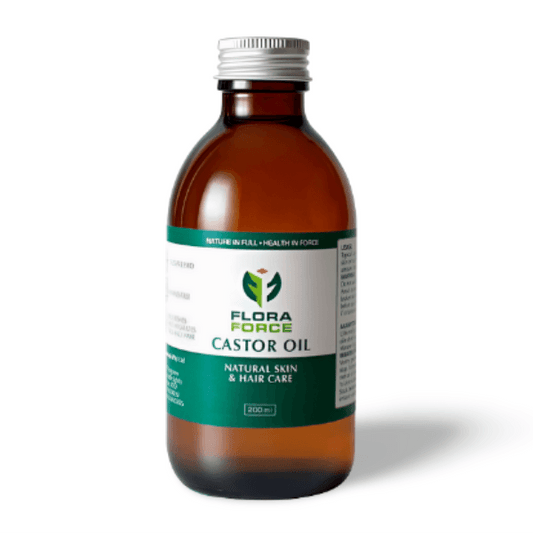
FLORA FORCE Castor Oil Hexane Free
Regular price From R 85.00Regular price -
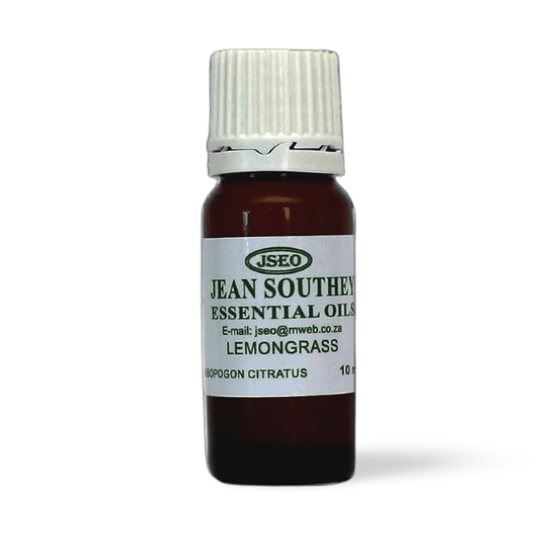
JEAN SOUTHEY Lemongrass Essential Oil
Regular price From R 104.00Regular price -
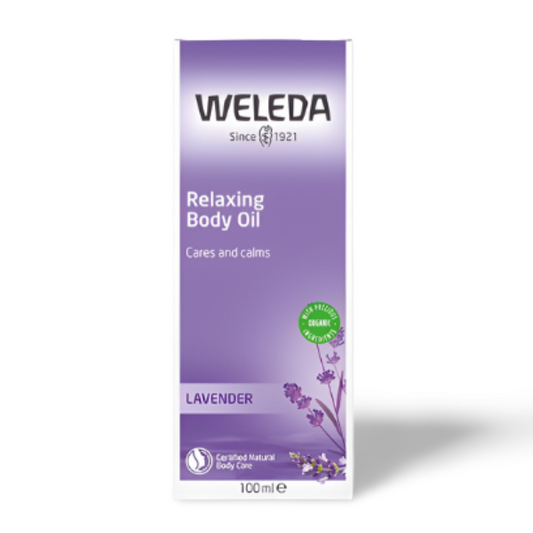
WELEDA Relaxing Body Oil
Regular price R 360.00Regular price -
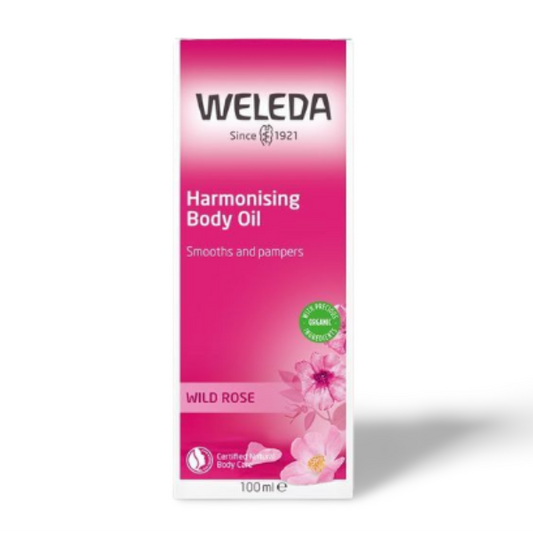
WELEDA Harmonising Body Oil
Regular price R 473.00Regular price -
SOIL Castor Oil
Regular price R 71.00Regular price -
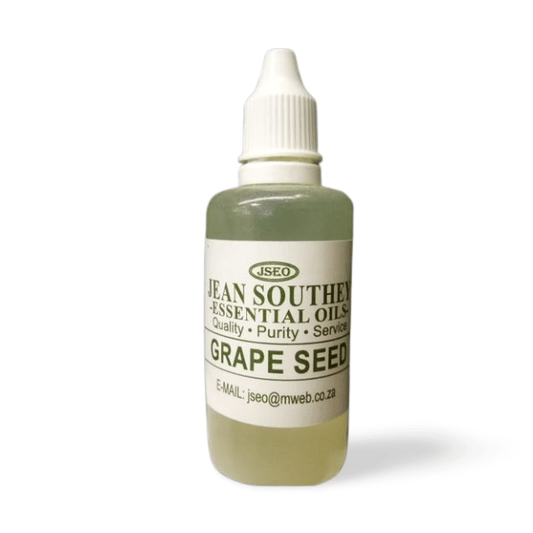
JEAN SOUTHEY Grapeseed Oil
Regular price From R 63.00Regular price -
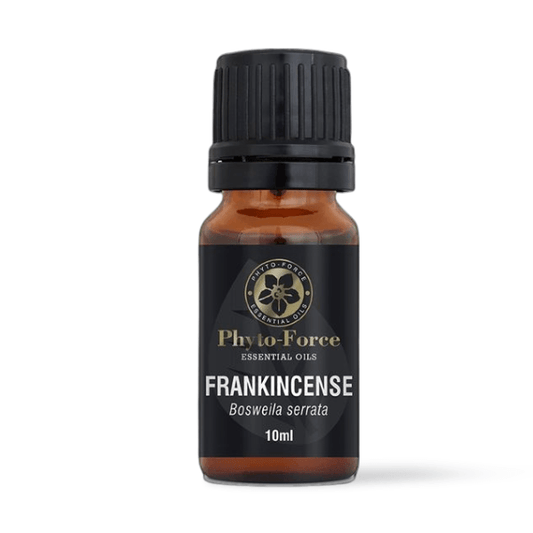
PHYTO FORCE Frankincense Essential Oil
Regular price R 418.00Regular price -
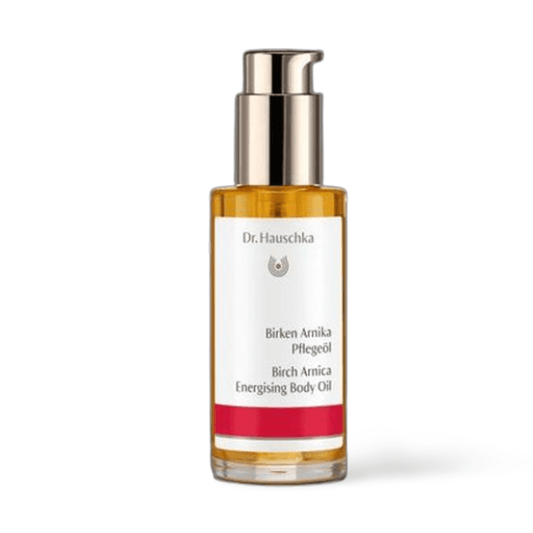
DR. HAUSCHKA Birch Arnica Energising Body Oil
Regular price R 555.00Regular price -
ESCENTIA Naartjie
Regular price R 54.00Regular price -
ESCENTIA Neroli
Regular price R 107.00Regular price -
ESCENTIA Lavender Organic
Regular price R 105.00Regular price -
ESCENTIA Grapefruit Organic
Regular price R 161.00Regular price -
ESCENTIA Cinnamon Bark
Regular price R 111.00Regular price -
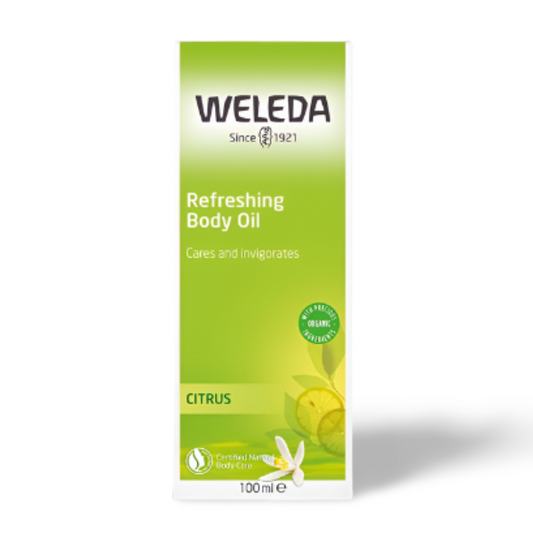
WELEDA Refreshing Body Oil Citrus
Regular price R 360.00Regular price -
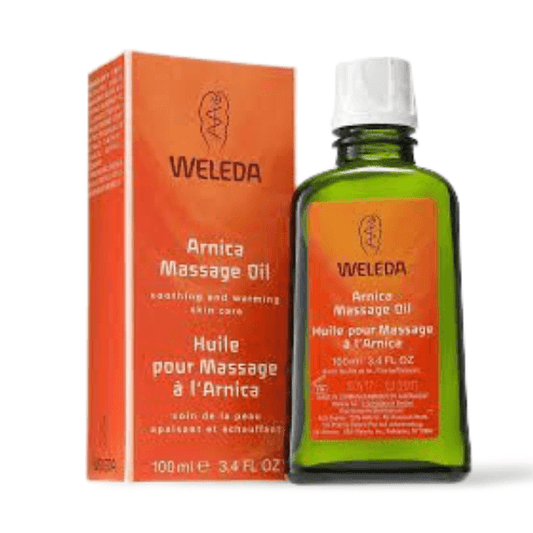
WELEDA Arnica Massage Oil
Regular price R 360.00Regular price -
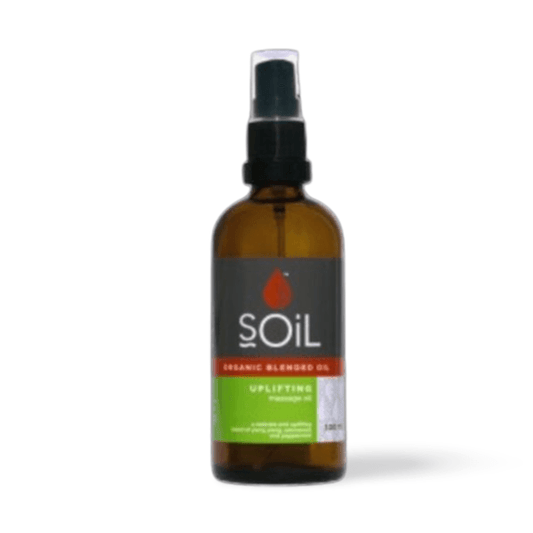
SOIL Uplifting Blended Oil
Regular price R 135.00Regular price



Massage Oil: what matters
You want precision: clean carriers, consistent slip, and scents that support the work — never overwhelm. We stock a tight edit from trusted suppliers so you can buy with clarity, not guesswork.
Comfort, glide & skin feel
Great bodywork starts with comfort — for you and your skin. If you love a lighter touch, grapeseed and fractionated coconut deliver a breathable glide that keeps relax massage sessions smooth without feeling heavy. For deeper work, a richer body massage oil cushioning the tissues helps reduce drag while protecting the skin barrier. We carry blends designed to keep massage products dependable across room temperatures, so your flow stays consistent from first pass to last. Looking for the best massage oil for sensitive skin? Choose unscented bases or very gentle aromas. If scent helps you unwind, we offer essential oils for massage at safe dilutions so your massage oil relaxing routine supports calm rather than clashing with your senses. The brief is simple: minimal residue, steady glide, supple finish — so you can focus on connection and craft, not constant re-application.
Scent profiles & essential blends
Aroma should be purposeful, not perfumey. Our edit leans into aromatherapy massage that’s balanced and skin-respectful — lavender for settling, citrus for lift, or herbals for clarity — each used at appropriate percentages. If you’re building a ritual, you’ll find essential oils for massage paired with stable carriers so notes diffuse gently over time. Prefer a targeted profile? Choose an essential oil massage oil with a single clear note for a minimalist, grounded session; or pick a layered blend for a fuller sensory arc. For a quiet evening unwind, opt for massage oil relaxing scents in lower intensity; for daytime, choose brighter top notes that don’t linger on clothing. Therapists: we also stock neutral bases ready to customise, add your own lab-tested aromatics if you need a signature essential oil massage oil. The goal with aromatherapy massage here is simple: support the nervous system, never hijack the room.
Massage Oil value, sizes & transparency
Budgets matter — for home users and busy clinics. We label massage oil price clearly across trial, mid, and litre sizes so you can scale without surprises. If you’re hunting massage oil for sale in clinic-friendly packs, you’ll find bulk options alongside smaller bottles for testing. We publish full INCI lists so comparing the best massage oil for your context is straightforward, and we flag texture, scent strength, and residue to save you time. Stockists, not makers: At The Good Stuff, we curate massage products from trusted brands and keep a rotation of fair massage oil price points so quality doesn’t require compromise. Watch our collection banner for massage oil for sale promos, ideal for seasonal re-stock or onboarding new therapists.
How to use: home rituals & professional flow
Warm between palms, apply to clean, dry skin, and build in thin layers. For relax massage, start with broad effleurage, then narrow to areas that need attention; add a touch more as needed rather than flooding the skin. For athletes or deep tissue, anchor with slower strokes and switch to a slightly richer body massage oil to maintain cushion without friction burn. Patch test if you’re sensitive; keep blends away from eyes and mucous membranes, and avoid broken skin. Therapists: decant into pump bottles for hygiene, launder linens hot with a degreasing booster, and rotate mediums based on client preference (oil, lotion, balm). Home users: keep bottles cool and capped to protect natural aromas; choose unscented if you share space. Consistency outweighs excess in all massage products — a small amount contributes significantly to control, comfort, and results.
Shop Massage Oils at The Good Stuff
We stock a thoughtful range of massage oils—from unscented carriers to aromatic blends, so you can match texture, scent, and size to your routine with confidence. You get clean labels, honest value, and responsive support, all couriered across South Africa. Shop the edit, compare options side-by-side, and upgrade your ritual with The Good Stuff. Shop similar collections: Aromatherapy Oils | Burners, Diffusers and Incence Holders | Carrier Oil | Cold Pressed Castor Oil | Create Your Own Skincare Range | Jean Southey Essential Oils | Organic Castor Oil | SOIL Organic Essential Oils | Phyto Force Aromatherapy
Frequently Asked Questions about MAssage Oil
Are massage oils edible?
Short answer: treat them as topical, not food. Most massage oils use cosmetic-grade carriers and aroma compounds that aren’t intended for ingestion. Even food-grade plant oils can become unsafe when blended with essential oils, which may irritate the mouth, oesophagus, or gut if swallowed. Additionally, some flavour-adjacent aromas (e.g., citrus, mint) can be concentrated and cause nausea or reflux if taken internally. If intimacy is the goal, look specifically for food-grade products labelled safe for oral contact; otherwise, keep standard blends external only. If accidental ingestion occurs, check the label, drink water (not milk, which can increase absorption of fat-soluble components), and contact a medical professional if you notice burning, vomiting, or dizziness. Bottom line: unless clearly marked as edible, massage oils are for skin only.
Are massage oils good for your skin?
Used correctly, yes. Many carrier oils (grapeseed, sweet almond, jojoba, fractionated coconut) provide occlusive and emollient benefits that reduce transepidermal water loss and improve skin suppleness. Jojoba is structurally similar to sebum and often suits combination skin; grapeseed offers a light finish; sweet almond brings cushioning glide. The key is formulation: keep essential oils at conservative dilutions (typically 0.5–2% for whole-body use) to minimise irritation, and patch test if you’re sensitive. Choose fragrance-free if you have eczema or barrier impairment. Post-massage, wipe excess to prevent pore congestion under clothing. Consistent use can help the skin feel softer and more comfortable, but oils don’t replace targeted actives (like ceramides or urea) for barrier repair — they complement them.
Are massage oils safe for pregnancy?
Caution and simplicity win. In the first trimester, many practitioners recommend fragrance-free carrier oils only and gentle touch; avoid abdominal massage unless guided by a trained professional. From second trimester, low-dilution aromatics (often ≤0.5%) may be considered with practitioner input, but skip oils commonly flagged in pregnancy (e.g., high-thujone sages, pennyroyal, wormwood). Citrus top notes can be uplifting but may increase photosensitivity if expressed oils are used; steam-distilled variants minimise that risk. Always patch test, stop if you feel dizzy or nauseous, and prioritise positions that protect circulation (side-lying with support). As always, follow your healthcare provider’s advice and choose clearly labelled products.
Are massage oils safe during pregnancy?
Yes, when you select the right product and use it appropriately. Focus on neutral carriers (jojoba, fractionated coconut, grapeseed) and very low aroma levels, especially in the third trimester when smell sensitivity can spike. Avoid blends with aggressive rubefacients or “icy-hot” sensations; they can be uncomfortable and distracting. Keep sessions shorter, avoid deep pressure on the abdomen and certain acupressure points unless you’re working with a trained perinatal therapist, and ensure good ventilation. If heartburn or nausea is frequent, go unscented. Read labels carefully; if a bottle doesn’t disclose percentages or essential oil types, don’t guess. When in doubt, pick a pregnancy-labelled formula or use a pure carrier oil.
Are massage oils flammable?
Yes — oils are combustible and can lower the flash point of fabrics. Spills on sheets and towels may not fully wash out with a standard cycle; residual oil can heat up in the dryer and increase fire risk. Best practice: pre-treat linens with a degreasing enzyme, wash hot with adequate detergent, and dry on lower heat or air-dry. Keep bottles away from open flames (candles, incense, braais), and don’t warm oils directly on stovetops. Use a purpose-built warmer or a bain-marie style water bath to gently bring them to skin temperature. Store tightly capped, out of sunlight. Respect for basic fire safety keeps relaxing environments — and laundry rooms — safe.
What is massage oil?
Massage oil is a topical blend designed to create controlled slip between hands and skin. It typically combines one or more carrier oils (e.g., grapeseed, jojoba, fractionated coconut) and, optionally, aromatic compounds. The formula aims for predictable glide, low tack, and easy clean-down. Unlike body lotions (water-based emulsions), oils are anhydrous and rely on viscosity and film-forming properties for performance. Some include antioxidants like vitamin E to protect the oils from oxidising. Good blends balance cushion (to protect skin) with grip (to keep techniques precise). If you’re scanning labels, look for clear INCI names, batch info, and suggested use. If you prefer no scent, choose fragrance-free; if you want aroma, keep essential oil dilution conservative for full-body work.
Is massage oil good for face?
Proceed carefully. Facial skin varies widely, and heavy or comedogenic oils can clog pores. If you want facial work, choose non-comedogenic carriers (often squalane or jojoba) and avoid strong fragrances or mentholated profiles near the eyes. Many “body” blends aren’t optimised for the face — they’re richer and may contain aromas that can irritate delicate areas. Keep pressure light, avoid active breakouts, and wipe excess before applying skincare. If you regularly use retinoids or acids, patch test first; oils can temporarily soften the barrier, potentially increasing tingling from leave-on actives. For most people, a deliberately formulated facial oil or plain jojoba is the safer bet than a general body blend.
Is massage oil water based?
No. By definition, massage oil is oil-based and contains no water. That’s why it offers long glide and doesn’t evaporate quickly. If you prefer a water-based feel, look for massage gels or lotions — they’re emulsions (water + oil + an emulsifier) and rinse off easily, which some therapists prefer for quicker turnover. Oils can leave a light film; lotions typically absorb faster. There’s also a middle ground: balms (solid oils/waxes) that melt on contact and deliver adjustable slip. Choose the medium that suits your technique and clean-down preferences; if laundering is a concern, a lighter gel or lotion may fit better than an oil.
Is massage oil good?
For most people, yes — it’s excellent for glide, comfort, and sensory relaxation. A well-formulated oil reduces friction, protects the skin during longer sessions, and can make techniques more precise. Some carriers bring added perks: jojoba for balance, grapeseed for lightness, almond for cushion. But “good” depends on context: if you dislike residue, pick a lighter texture; if you’re sensitive to scent, go fragrance-free; if acne-prone, avoid richer, occlusive mixes on the back and shoulders. Remember: oils aren’t medical treatments. They can support relaxation and skin comfort, but they don’t replace physiotherapy, targeted skincare, or clinical care. Choose intentionally, patch test, and let technique do the heavy lifting.
Are body oils good?
Body oils can be very good when used appropriately. They’re primarily designed to soften skin and lock in moisture after bathing. Some double as massage mediums, but not all have the right glide or working time for bodywork. If you’re choosing between a general body oil and a dedicated massage blend, check viscosity: massage formulas usually spread further and stay workable longer. Fragrance matters too — daily body oils might be strongly scented; for massage, go subtler to avoid overload. If you have very dry skin, a body oil after showering (on damp skin) traps hydration effectively. If you’re acne-prone, pick lighter, non-comedogenic carriers and avoid heavy occlusives on breakout-prone areas.
Is massage oil good for a baby?
Use extreme care. Babies’ skin barriers are still developing, and fragrance (even natural) can irritate. For infant massage, many practitioners recommend plain, food-grade oils such as cold-pressed coconut or a cosmetic-grade mineral oil, used sparingly and patch-tested. Avoid essential oils on newborns and young infants; if introduced later, do so with very low dilutions and professional guidance. Keep hands warm, pressure feather-light, and sessions short. Never apply near eyes, nose, or hands (which go straight to the mouth), and stop if any redness or fussiness appears. If your baby has eczema or cradle cap, speak to a paediatric professional before applying oils — targeted emollients or medical advice may be more appropriate than general massage products.

The Good Stuff
Discover a world of wellness at The Good Stuff, South Africa's trusted destination for premium health supplements. With over two decades of expertise from Cape Town, we bring you a curated collection of vitamins and products designed for your optimal well-being.
Our online store extends our legacy of quality and effectiveness right to your doorstep. With The Good Stuff, you're not just purchasing supplements, you're investing in a healthier, vibrant life.
Embark on your wellness journey with us, and let The Good Stuff nurture your path to better health!