
Collection: Joint Supplements
The best joint supplement can make a real difference in mobility, comfort, and long-term joint health. Whether you’re dealing with age-related stiffness, recovering from intense training, or simply wanting to keep your joints strong, the right formula can support cartilage, reduce inflammation, and maintain flexibility. At The Good Stuff, we stock carefully chosen joint support supplements and bone and joint supplements, from proven classics like glucosamine and chondroitin to advanced options like hyaluronic acid supplements for joints and the best collagen supplements for joints. We also offer specialised products such as supplements for joints and tendons, joint supplements for bodybuilding, and top-rated joint supplements designed for active lifestyles.
Whether you need the best supplements for joint pain, daily supplements for healthy joints, or targeted supplements for joints, ligaments, and tendons, our collection is built for results. Shop online today for fast delivery across South Africa and guidance from our expert team.
Best Iron Supplements for Women | Comfrey Ointment | Glutathione South Africa

-
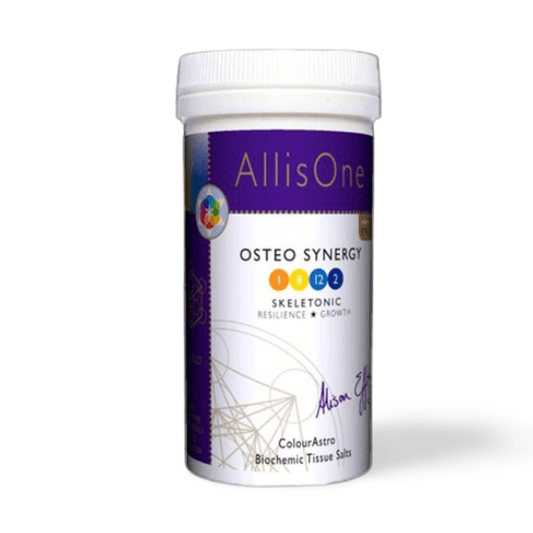
ALLISONE Osteo Synergy
Regular price From R 186.00Regular price -
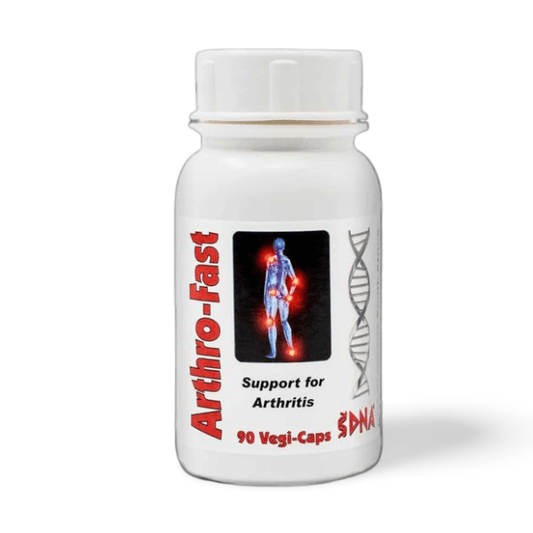
DNA Arthro-Fast
Regular price R 224.00Regular price -
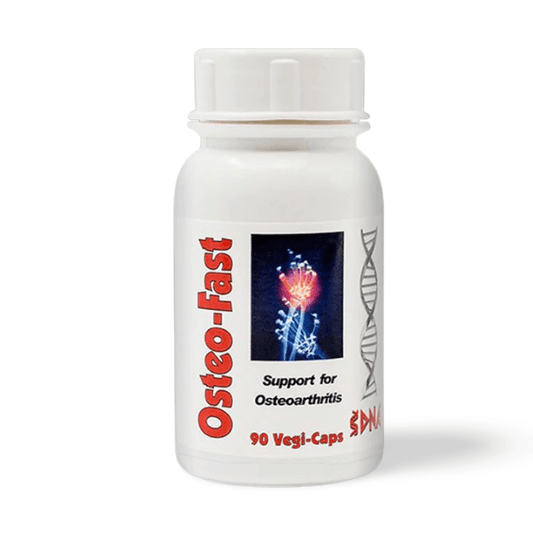
DNA Osteo-Fast
Regular price R 234.00Regular price -
 Sold out
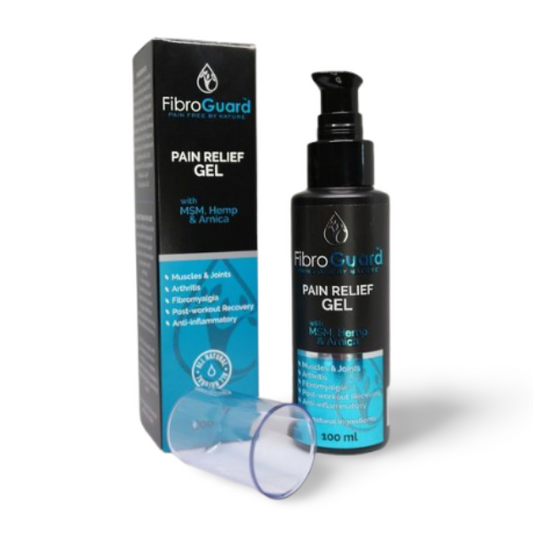
FIBROGUARD Pain Relief Gel
Regular price R 268.00Regular price -
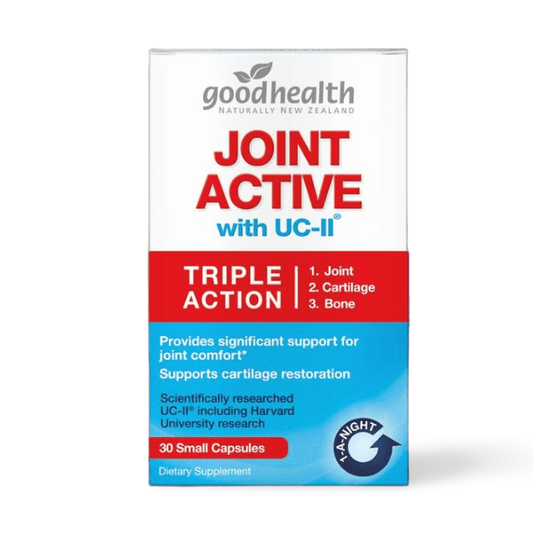
GOODHEALTH Joint Active UC-II
Regular price R 599.00Regular price -
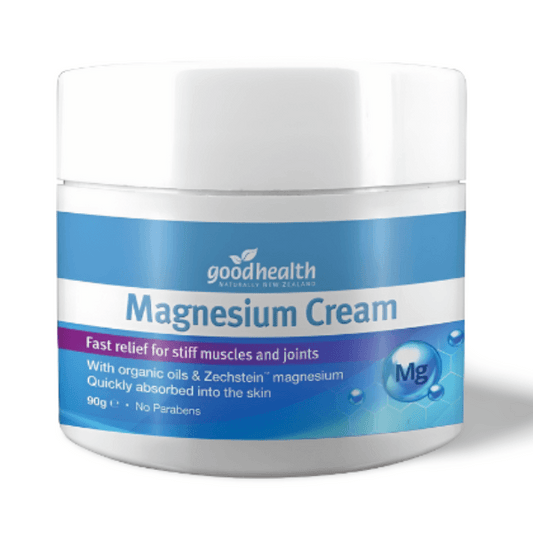
GOODHEALTH Magnesium Cream
Regular price R 459.00Regular price -
GOODHEALTH Supercal
Regular price R 379.00Regular price -
 Sold out
GOODHEALTH Turmeric 15800 Complex
Regular price R 639.00Regular price -
 Sold out
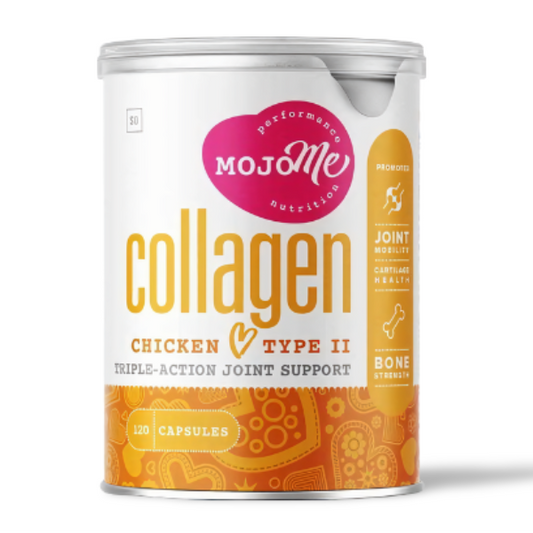
MOJOME Collagen Chicken Type II
Regular price R 566.00Regular price -
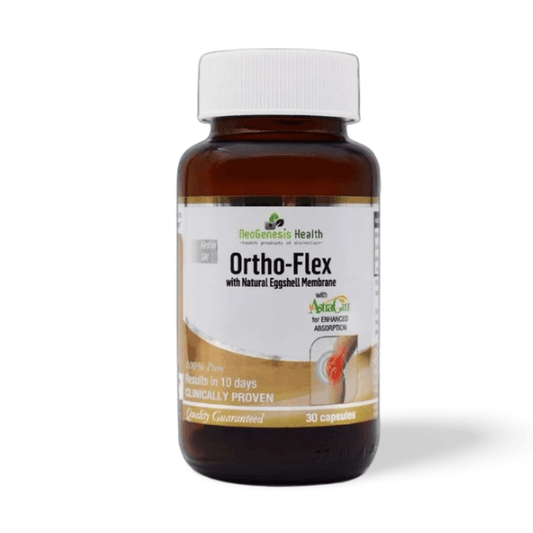
NEOGENESIS Ortho-Flex
Regular price R 443.00Regular price -
NOW Glucosamine & Chondroitin with MSM
Regular price R 550.00Regular price -
NOW Hyaluronic Acid
Regular price R 600.00Regular price -
PEGASUS Arthritis and Gout 30c
Regular price R 201.00Regular price -
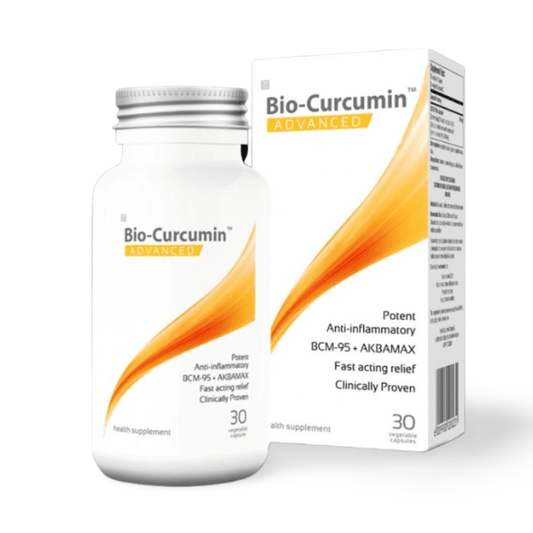
PHYTOCEUTICS Bio-Curcumin Advanced
Regular price R 649.00Regular price -
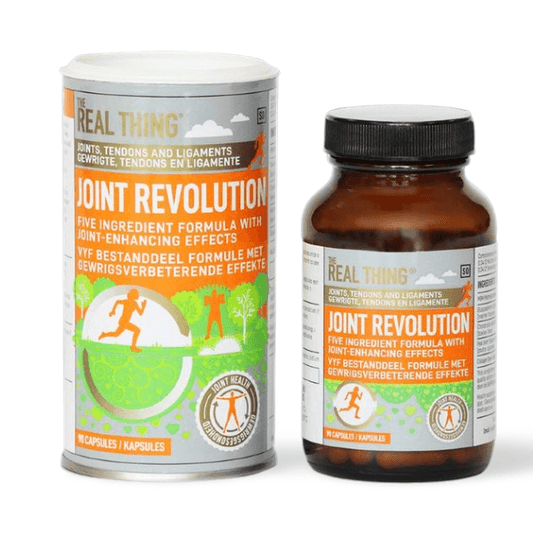
THE REAL THING Joint Revolution
Regular price R 443.00Regular price




Joint Supplements — Relief, Recovery, and Long-Term Support
Core Ingredients for Joint Health
The most widely researched joint supplements include glucosamine, chondroitin, collagen, MSM, and hyaluronic acid. Together, these nutrients may help reduce inflammation, protect cartilage, and improve mobility. For many, collagen is the best supplement for joint pain because it supports both connective tissue and bone strength.
Collagen for Joints and Tendons
As one of the best supplements for joints, ligaments, and tendons, collagen peptides support structural integrity. They also provide amino acids essential for rebuilding connective tissue after injury or strain.
Anti-Inflammatory and Pain Support
Inflammation is often the root cause of joint discomfort. Turmeric (curcumin), boswellia, and omega-3 fatty acids are considered some of the most powerful anti-inflammatory supplements, working alongside traditional joint nutrients to relieve stiffness and swelling.
Hyaluronic Acid for Cushioning
For knees and high-impact joints, hyaluronic acid supplements for joints provide lubrication and cushioning. This makes them particularly useful in the best joint supplements for knees, where cartilage naturally wears with age and activity.
Performance and Bodybuilding Support
Athletes and lifters often turn to joint supplements for bodybuilding, as intense training places stress on joints, tendons, and ligaments. Products combining collagen, MSM, and vitamin C support repair and resilience. This makes them the best supplements for joints and muscles in performance-driven contexts.
Bone and Joint Synergy
Since bones and joints work together, many formulas combine vitamin D, calcium, and magnesium for bone strength with glucosamine, chondroitin, and collagen for joint flexibility, creating complete bone and joint supplements.
The best joint supplements combine cartilage-protective nutrients, anti-inflammatory botanicals, and supportive minerals for long-term joint function. At The Good Stuff, we stock trusted formulas that work — from daily maintenance to targeted pain relief. Shop online today for joint support supplements delivered across South Africa. Shop similar collections: Cold Pressed Castor Oil | Clove Supplements | Cognitive Health Supplements | Collagen Supplements | Colloidal Silver Supplements | Essential Amino Acids Supplement | Gut Health Supplements | Herbal Supplements | Hair Growth Supplements | Immune Support Supplements | Insulin Resistance Supplements
Frequently Asked Questions about Joint Supplements
Do joint supplements work?
Research shows some joint supplements, such as glucosamine, chondroitin, collagen, and MSM, may reduce joint pain and improve function, especially in people with osteoarthritis. While results vary, many find consistent use brings relief.
What is the best supplement for your joints?
The best supplements for joint health include collagen peptides, glucosamine, chondroitin, hyaluronic acid, and omega-3 fatty acids. Collagen and hyaluronic acid are particularly effective for cushioning and supporting cartilage.
What am I lacking if my joints hurt?
Joint pain can be linked to low levels of vitamin D, magnesium, or omega-3s. Deficiency in collagen-producing nutrients like vitamin C may also impair repair of cartilage and connective tissue.
How to reduce joint inflammation quickly?
Anti-inflammatory supplements like turmeric, boswellia, and omega-3s can provide relief. Rest, ice, and a balanced diet rich in antioxidants also help reduce inflammation naturally.
What is the most powerful anti-inflammatory supplement?
Curcumin (from turmeric) and omega-3 fatty acids are among the most studied natural anti-inflammatories for joint health.
Is turmeric good for joints?
Yes. Turmeric’s active compound, curcumin, has anti-inflammatory effects that can reduce pain and stiffness in conditions like osteoarthritis.
What is better than glucosamine for joints?
Some studies suggest collagen peptides and hyaluronic acid may provide more noticeable improvements in flexibility and recovery, especially when combined with anti-inflammatory botanicals.
Do any joint supplements really work?
Yes. Clinical trials support the effectiveness of glucosamine, chondroitin, collagen, and MSM in reducing symptoms of osteoarthritis and supporting mobility.
How to increase cartilage in joints naturally?
Cartilage cannot fully regenerate, but collagen, vitamin C, and hyaluronic acid may help protect and maintain existing tissue. Exercise and weight management also reduce strain on joints.
Why do doctors not recommend glucosamine?
Some doctors are cautious because results vary and benefits are modest for some patients. However, it is still widely used, with minimal side effects for most.
What is the best vitamin for bones and joints?
Vitamin D supports calcium absorption and bone health, while vitamin C is vital for collagen production. Both are crucial for strong bones and resilient joints.
Who should avoid glucosamine?
People with shellfish allergies should avoid glucosamine derived from shellfish. Those on blood thinners or with certain medical conditions should consult a healthcare provider first.
Why should people over 60 not take glucosamine?
There is no strict age restriction, but some concerns exist around interactions with medications in older adults. Medical supervision is advised.
Can vitamins really relieve joint stiffness?
Yes. Vitamins like D, C, and E contribute to bone and joint strength, collagen synthesis, and antioxidant protection, which together may reduce stiffness.
Are joint supplements effective?
They can be effective, particularly when used consistently and in combination with exercise, a healthy diet, and weight management.
Do joint support supplements work?
Yes. Many people report noticeable improvements with daily use of joint support supplements, particularly those containing collagen, glucosamine, MSM, and anti-inflammatory herbs. Read more about our blog here: https://www.thegoodstuff.co.za/blogs/news/are-joint-supplements-effective

The Good Stuff
Discover a world of wellness at The Good Stuff, South Africa's trusted destination for premium health supplements. With over two decades of expertise from Cape Town, we bring you a curated collection of vitamins and products designed for your optimal well-being.
Our online store extends our legacy of quality and effectiveness right to your doorstep. With The Good Stuff, you're not just purchasing supplements, you're investing in a healthier, vibrant life.
Embark on your wellness journey with us, and let The Good Stuff nurture your path to better health!