

Supplements Nutrition: A Complete Guide
Supplements Nutrition: A Complete Guide to Vitamins, Minerals, and Dietary Supplements
Key Takeaways
- Most essential nutrients should come from a balanced diet of whole foods, with dietary supplements filling specific gaps rather than replacing proper nutrition
- Certain populations including pregnant women, vegetarians, older adults, and those with medical conditions may benefit from targeted supplementation under professional guidance
- The FDA does not regulate supplements like medications, making quality verification and third-party testing crucial when choosing products
- Evidence-based research shows mixed results for many popular supplements, with some having proven health benefits while others lack robust scientific support
- Consulting health professionals before starting supplementation prevents potential interactions and ensures appropriate dosing for individual nutritional needs
Understanding Supplements Nutrition Basics
In our fast-paced world, achieving optimal nutrition can feel like navigating a complex puzzle. While your body thrives on nutrients found naturally in food, there are times when dietary supplements can serve as valuable allies in your wellness journey. Most of the vitamins and minerals we need can be acquired through a balanced diet rich in fruits, vegetables, and whole grains, but supplements can help fill specific gaps when necessary.
Dietary supplements are products designed to augment your diet, typically containing vitamins, minerals, herbs, botanicals, amino acids, or enzymes in concentrated forms. Unlike conventional foods, supplements deliver specific nutrients in measured doses through tablets, capsules, powders, or liquids. Many supplements are also available in pill form, and pills are a common way to take vitamins, minerals, and herbal supplements. While pills offer convenience, it's important to check ingredients, effectiveness, and consult a doctor before use, as pills may not always substitute for nutrients found in whole foods. The key distinction lies in their “Supplement Facts” panel, which differs from the standard “Nutrition Facts” label you’ll find on regular food items. Fat-soluble vitamins tend to accumulate in the body while water-soluble vitamins cannot be stored, making it essential to monitor intake carefully.
Discover The Good Stuff supplement range.
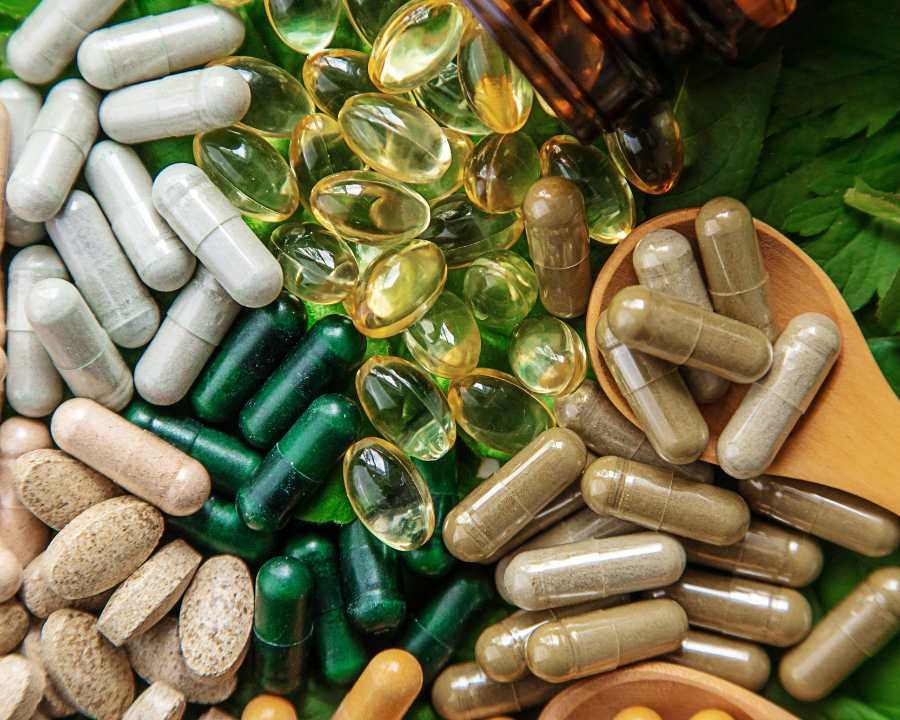
The supplement industry represents a massive $60 billion annual market in the United States alone, with approximately 58% of adults reporting supplement use in the past month. This widespread adoption reflects both growing health consciousness and the reality that modern diets sometimes fall short of providing all essential nutrients our bodies need.
However, understanding when supplements are necessary versus when diet alone suffices requires careful consideration. The FDA regulates supplement labeling and manufacturing but doesn’t require pre-market approval like pharmaceuticals. This means the responsibility for safety and efficacy often falls on manufacturers and consumers alike.
Research shows that while supplements can address specific nutritional gaps, they work best as part of a comprehensive approach to health that prioritises nutrient-dense whole foods. The goal isn’t to replace a balanced diet but to enhance it strategically where evidence supports intervention.
Benefits of Supplements
Dietary supplements, when used thoughtfully, can offer significant health benefits by filling nutritional gaps that may exist in your daily diet. Vitamin and mineral supplements such as vitamin C pills and folic acid are essential for supporting a healthy immune system and promoting overall wellness. For individuals who have limited exposure to sunlight, vitamin D supplements are particularly important in preventing vitamin D deficiency, which can lead to weakened bones and other health issues. Calcium supplements are often recommended for postmenopausal women to help maintain bone density and reduce the risk of osteoporosis. Fish oil, a popular supplement rich in omega-3 fatty acids, has been shown to support heart health and may lower the risk of heart disease. However, while these supplements can provide valuable benefits, it’s important to remember that they are most effective when used to complement—not replace—a balanced diet. Always consult with health professionals before starting any new supplement, as they can help you assess your individual needs and avoid potential risks or interactions.

Essential Vitamins and Their Supplemental Forms
Your body requires vitamins in very small amounts, yet these nutrients play outsized roles in maintaining health and supporting vital functions. Understanding the two main categories—fat soluble and water soluble vitamins—helps you make informed decisions about supplementation.
Fat-soluble vitamins (A, D, E, and K) dissolve in fats and can be stored in your body’s fatty tissues and liver. This storage capacity means these vitamins don’t need daily replacement, but it also increases the risk of toxicity from large doses. Vitamin A supports vision and immune function, while vitamin E acts as a powerful antioxidant, protecting cells from damage. Vitamin K plays a crucial role in blood clotting and bone health.
Water soluble vitamins, including the B-complex group and vitamin C, dissolve in water and aren’t stored long-term in your bodies. These nutrients require more frequent replenishment through diet or supplementation. Vitamin C supports immune system function and collagen synthesis, while B vitamins facilitate energy metabolism and nervous system health. Since vitamin C cannot be produced by the body, it must be obtained from food sources or supplements.
Vitamin D deserves special attention in supplements nutrition. Often called the “sunshine vitamin,” vitamin D plays critical roles in bone health, immune function, and mood regulation. Vitamin D deficiency affects millions globally, particularly those in low-sunlight environments or with limited sun exposure. Vitamin D supplements have shown consistent benefits for bone health and may support cardiovascular disease prevention. Recommendations for vitamin D and calcium intake vary across different ages, with elderly adults and children having specific guidelines to support bone health.
For those following plant-based diets, vitamin B12 supplementation becomes essential. This vitamin, found primarily in animal products, supports nerve function and red blood cell formation. Deficiencies can lead to serious health problems, making B12 supplements crucial for vegetarians and vegans. Additionally, folic acid is important for preventing birth defects in a baby's brain and spine, making it a critical supplement for women of childbearing age.
Folic acid supplementation holds particular importance for women of childbearing age. This B vitamin helps prevent birth defects when taken before conception and during early pregnancy. The recommendation of 400 micrograms daily has significantly reduced neural tube defects in populations with adequate intake. Shop vitamin B supplements.
Critical Minerals for Health
Minerals form the foundation of countless bodily processes, from bone formation to enzyme function. Unlike vitamins, minerals aren’t manufactured by living organisms but must be obtained from soil, water, or food sources—making mineral supplements particularly relevant for addressing deficiencies.
Calcium stands as perhaps the most well-known mineral supplement. With daily needs ranging from 1,000 to 1,300 milligrams depending on age, calcium supports bone density and muscle function. However, calcium supplements work best when combined with vitamin d for optimal absorption. Calcium rich foods like dairy products, dark leafy greens, and fortified foods provide excellent natural sources.
Iron supplementation addresses one of the world’s most common nutrient deficiencies. Women of childbearing age, pregnant individuals, and growing children have elevated iron needs. Iron deficiency can lead to fatigue, weakness, and impaired cognitive function. However, iron supplements should be used judiciously, as excess iron can cause health problems and interfere with other mineral absorption. Shop best iron supplements for women.
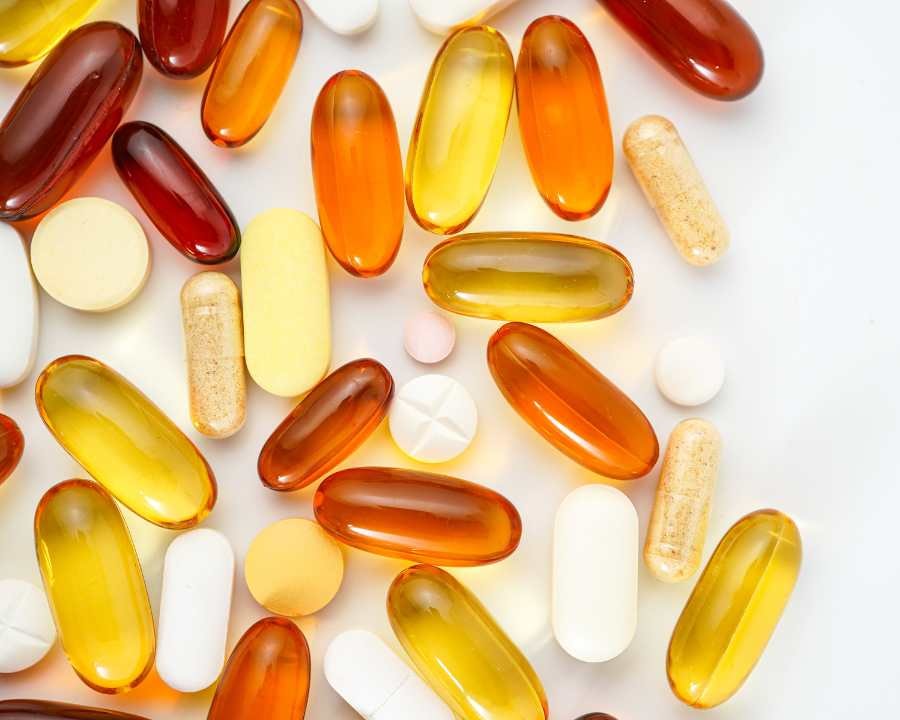
Magnesium deficiency affects approximately half of U.S. residents, despite this mineral’s involvement in over 300 enzymatic reactions. Magnesium supports energy production, muscle function, and bone health. While found in whole grains, nuts, and leafy greens, many people benefit from magnesium supplementation. However, large doses of magnesium can act as a laxative, so it’s important to follow recommended dosages.
Zinc plays crucial roles in immune function, wound healing, and protein synthesis. Found in lean meat, seafood, and whole grains, zinc deficiency can impair immune response and delay healing. Zinc supplements may help reduce cold duration and support athletic performance recovery.
Other trace minerals like selenium support antioxidant function and thyroid health, while minerals vitamins work synergistically to support optimal health. Understanding these interactions helps prevent imbalances that can occur with isolated supplementation.
Popular Supplement Categories and Their Evidence
The supplements market offers countless options, but scientific evidence varies dramatically across different categories. Understanding what research shows helps you navigate marketing claims and make evidence-based decisions.
Multivitamins remain the most popular supplement category, yet research reveals limited benefits for disease prevention in healthy populations. Most people eating varied diets obtain adequate vitamins and minerals from food alone. However, multivitamin supplements may benefit specific groups like older adults, pregnant women, or those with restricted diets.
Fish oil supplements, rich in omega-3 fatty acids, show more promising evidence for heart health benefits. Research demonstrates that fish oil can reduce triglyceride levels and may lower cardiovascular disease risk. However, getting omega-3s from fatty fish like salmon or sardines provides additional nutrients not found in supplements.
Probiotics represent an evolving area of supplements nutrition. These beneficial bacteria support gut health and may boost immune function. However, effectiveness varies significantly between strains and formulations. Research shows specific probiotic strains can help with digestive issues, but more research is needed for broader health claims. Prebiotics, which are fiber compounds that feed healthy gut bacteria, have also been shown to improve gastrointestinal wellbeing and reduce systemic inflammation. Shop probiotics.
Fibre supplements serve those struggling to meet daily fibre needs through diet alone. A fibre supplement can support digestive health and help maintain healthy cholesterol levels. However, whole grains, fruits, and vegetables provide fibre along with other beneficial compounds not found in isolated fibre supplements.
Protein supplements have gained popularity, particularly among active individuals. While most people can meet protein needs through food, protein powders offer convenience for athletes or those with elevated requirements. The daily recommendation of 0.34 grams per pound of body weight can typically be achieved through lean meat, dairy, legumes, and plant sources. Shop best protein supplements for weight gain.
While some supplements have been studied for their potential role in cancer prevention, current research does not support using supplements as a primary strategy to reduce cancer risk.
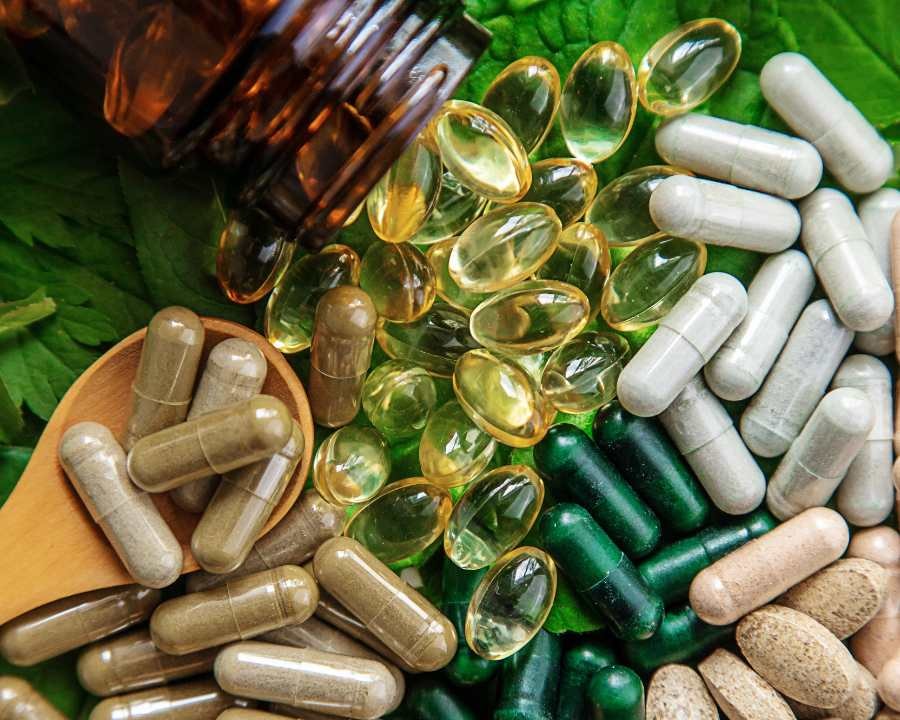
Specialized Supplements for Specific Needs
Beyond basic vitamins and minerals, specialised supplements target specific health concerns or life stages. These products often combine traditional botanical knowledge with modern scientific understanding.
Collagen supplements have surged in popularity for skin health and aging concerns. While your body naturally produces collagen, production declines with age. Some research suggests collagen supplementation may support skin elasticity and joint health, though more robust studies are needed. Shop joint supplements.
For joint health, glucosamine and chondroitin supplements show modest benefits for some individuals with arthritis symptoms. These compounds naturally occur in cartilage and may help maintain joint structure. However, results vary among individuals, and benefits tend to be gradual.
Sleep support supplements like melatonin can help regulate sleep cycles, particularly for shift workers or those with jet lag. Melatonin supplementation works best for short-term use and circadian rhythm disorders. Long-term safety data remains limited, making professional guidance important. Shop sleep supplements.
Adaptogenic herbs like ashwagandha have gained attention for stress management. Ashwagandha has a long history of use in traditional medicine as a natural remedy for stress and overall wellness. Traditional use in complementary and integrative health practices suggests these botanicals may help the body adapt to stress. However, quality and standardisation vary significantly among products.
Turmeric supplements, containing the active compound curcumin, show promise for inflammation reduction. Research indicates curcumin may support joint health and provide antioxidant benefits. However, absorption can be poor without enhancement agents like piperine.

Lifestyle Considerations
Your lifestyle, dietary habits, and personal health circumstances play a major role in determining your need for supplements. A well-rounded diet that includes whole grains, lean meat, fish, fruits, vegetables, and fortified foods is the best way to obtain essential vitamins and minerals. Foods like dark leafy greens and citrus fruits are rich in certain vitamins, such as vitamin E and vitamin K, which are vital for maintaining good health. However, some individuals—such as vegetarians, vegans, or those with food allergies—may find it challenging to get enough nutrients from food alone and could benefit from targeted supplements. Age is another important factor; for example, older adults may require vitamin D supplements to support bone health, while pregnant women need folic acid to help prevent birth defects. Athletes and those with high physical activity levels may also have increased nutrient needs to support athletic performance and recovery. By considering your unique dietary patterns, age, and health status, you can make informed decisions about whether supplements are necessary to help you meet your nutritional goals.
Interactions and Side Effects
While dietary supplements can be beneficial, it’s essential to be aware of potential interactions and side effects. Taking large doses of certain vitamins and minerals can lead to health problems rather than benefits. For example, excessive vitamin A intake can be toxic, and high doses of calcium supplements may increase the risk of kidney stones. Some supplements, such as probiotics, are generally safe for most people but can cause adverse effects in individuals with compromised immune systems. Minerals like zinc and selenium are important for health, but too much can result in negative side effects, including digestive issues or even toxicity. Additionally, supplements can interact with prescription medications, potentially reducing their effectiveness or causing harmful reactions. To minimize risk, always follow recommended doses and consult with a healthcare professional before starting any new supplementation regimen.
Safety Considerations and Quality Control

Unlike prescription medicines, dietary supplements don’t require FDA approval before reaching market. This regulatory difference places greater responsibility on consumers to verify quality and safety. Understanding potential risks helps you make informed decisions about supplementation.
Drug interactions represent a significant safety concern. St. John’s Wort, for example, can reduce the effectiveness of certain medications. Vitamin k can interfere with blood-thinning medications. Iron supplements may reduce absorption of certain antibiotics. Always inform health professionals about supplement use to prevent dangerous interactions.
Quality control varies dramatically among supplement manufacturers. Third-party testing organizations like NSF International or USP provide independent verification of supplement purity and potency. These certifications help ensure products contain what labels claim without harmful contaminants.
Dosage considerations become critical with supplements nutrition. Fat-soluble vitamins like vitamin A can accumulate to toxic levels with excessive intake. Water-soluble vitamins, while less likely to cause toxicity, can still produce adverse effects in large doses. Following recommended dosages and consulting healthcare providers prevents overconsumption.
Certain vitamins and minerals have established Tolerable Upper Intake Levels (ULs) indicating maximum safe daily intake. For example, vitamin D has an upper limit of 4,000 IU daily for adults. Exceeding these limits increases risk of adverse effects.
Reading supplement labels carefully reveals important information about ingredients, serving sizes, and potential allergens. Understanding terms like “standardised”, “chelated”, or “buffered” helps you evaluate product quality and bioavailability.

Evidence-Based Supplement Selection
Navigating supplement claims requires critical evaluation of scientific evidence. Marketing often outpaces research, making it essential to distinguish between correlation and proven causation in supplement studies.
Reliable sources for supplement information include the National Institutes of Health Office of Dietary Supplements, peer-reviewed medical journals, and professional health organisations. The National Centre for Complementary and Integrative Health provides evidence-based information on botanical supplements and traditional remedies.
Red flags in supplement marketing include claims of curing diseases, promises of dramatic weight loss, or testimonials replacing scientific evidence. Phrases like “miracle cure” or “breakthrough discovery” often signal questionable products. Legitimate supplements focus on supporting normal body functions rather than providing dramatic transformations.
Clinical studies provide the strongest evidence for supplement effectiveness. However, study quality varies significantly. Look for randomised controlled trials with adequate sample sizes and appropriate duration. Meta-analyses combining multiple studies offer stronger evidence than individual studies.
Cost-benefit analysis helps determine whether supplements offer value compared to nutrient-dense foods. Citrus fruits provide vitamin C along with fibre, flavonoids, and other beneficial compounds that supplements can’t replicate. Similarly, dark leafy greens offer folate, iron, and numerous phytonutrients beyond what isolated supplements provide.
Consider your individual circumstances when evaluating supplement research. Studies on healthy populations may not apply to those with specific health problems or nutritional deficiencies. Age, pregnancy status, dietary patterns, and medical conditions all influence supplement needs.

Consulting a Healthcare Professional
Before adding any dietary supplements to your routine, it’s crucial to seek guidance from a qualified health professional. They can help you determine which supplements, if any, are appropriate for your specific health needs, lifestyle, and existing medical conditions. Health professionals are equipped to advise you on safe and effective doses, as well as to identify any potential interactions with medications you may be taking. Trusted resources, such as the National Institutes of Health, offer comprehensive fact sheets and up-to-date information on a wide range of supplements. By working closely with a healthcare provider, you can make informed decisions that support your health and well-being, ensuring that any supplements you take are both safe and beneficial.
Dietary Reference Intakes and Personalized Nutrition
Understanding your individual nutritional needs helps determine when supplements might benefit your health. Dietary Reference Intakes (DRIs) provide science-based recommendations for nutrient intake across different life stages and circumstances. These guidelines help ensure that individuals meet their nutritional needs without exceeding safe levels.
Age significantly influences nutritional requirements. Growing children need adequate calcium and vitamin D for bone development. Older adults may require higher vitamin B12 intake due to decreased absorption. Women of childbearing age need additional iron and folic acid compared to men or postmenopausal women.
Pregnancy dramatically increases nutritional demands. Folic acid prevents birth defects, iron supports increased blood volume, and calcium builds fetal bone development. Prenatal vitamins help meet these elevated needs when diet alone proves insufficient.
Medical conditions can create special nutritional requirements. Celiac disease may necessitate B-vitamin supplementation due to intestinal damage. Kidney disease requires careful mineral management. Diabetes may benefit from specific nutrient support for blood sugar management.
Athletic performance creates elevated nutritional demands beyond what sedentary individuals require. Increased energy expenditure, muscle repair needs, and potential nutrient losses through sweating may warrant targeted supplementation. However, most athletes can meet needs through carefully planned nutrition.
Vegetarian and vegan diets require special attention to nutrients primarily found in animal products. Vitamin B12, iron, zinc, and omega-3 fatty acids may need supplementation or careful dietary planning to prevent deficiencies.
Individual factors like genetics, gut health, stress levels, and environmental exposures can influence nutrient needs. Personalised nutrition approaches, including genetic testing and comprehensive health assessments, may help identify specific supplementation needs.
Common Mistakes
Many people make the mistake of self-prescribing dietary supplements without consulting a healthcare professional, which can lead to excessive intake, nutrient imbalances, or masking of underlying health issues. Another common error is relying on supplements as a substitute for a healthy diet, rather than using them to complement nutrient-rich foods. Whole foods provide a complex array of nutrients, fibre, and beneficial compounds that supplements alone cannot replicate. Additionally, some individuals neglect to read supplement labels or research the manufacturer, which can impact the quality and safety of the product. To avoid these pitfalls, always prioritise a balanced diet, use supplements to address specific needs, and seek professional advice to ensure you’re making the best choices for your health.
FAQ
Should I take a multivitamin even if I eat a healthy diet?
For most people eating a varied, balanced diet rich in fruits, vegetables, whole grains, and lean proteins, a multivitamin isn’t necessary. However, certain groups including older adults, pregnant women, vegetarians, and those with restricted diets may benefit from multivitamin supplementation. Rather than insurance against poor eating habits, consider multivitamins as targeted support for specific nutritional gaps your diet might not address.
How do I know if I have a vitamin or mineral deficiency?
Common symptoms of nutritional deficiencies include persistent fatigue, frequent infections, slow wound healing, muscle weakness, or mood changes. However, these symptoms can indicate many conditions beyond nutrient deficiency. Blood tests ordered by health professionals can accurately measure levels of vitamins like B12, vitamin D and minerals like iron. Don’t rely on symptoms alone—proper testing provides definitive answers about your nutritional status.
Are expensive supplements always better quality than cheaper ones?
Price doesn’t guarantee quality in supplements nutrition. Some expensive products pay for marketing rather than superior ingredients or manufacturing. Focus on third-party testing certifications, appropriate dosages, and reputable manufacturers rather than price alone. Generic store brands often meet the same quality standards as premium products at significantly lower costs.
Can supplements replace fruits and vegetables in my diet?
Absolutely not. While supplements provide isolated nutrients, whole foods offer complex combinations of vitamins, minerals, fibre, antioxidants, and other beneficial compounds that work synergistically. Fortified foods and supplements can’t replicate the complete nutritional profile and health benefits of eating actual fruits and vegetables. Use supplements to complement, never replace, a diet rich in whole foods.
Why supplements are important?
Supplements are important because modern diets and lifestyles can create nutritional gaps that impact health and energy. Soil depletion reduces nutrient density in foods, busy schedules limit access to fresh produce, and certain medical conditions increase nutritional needs beyond what diet alone can provide. For specific populations like pregnant women or vegetarians, targeted supplementation prevents serious health complications that could affect both immediate wellbeing and long-term health outcomes.
Why supplements are necessary?
Supplements become necessary when dietary intake cannot meet physiological requirements. This occurs during pregnancy when folic acid prevents birth defects, for vegans who need vitamin B12 from non-animal sources, or for people with limited sun exposure requiring vitamin D supplements. Medical conditions, medications that interfere with nutrient absorption, or life stages with elevated needs may make supplementation medically necessary rather than optional.
Why supplements are important for bodybuilding?
For bodybuilding, supplements help meet elevated protein requirements for muscle synthesis, replace nutrients lost through intense training, and support recovery processes. Protein supplements provide convenient ways to reach daily targets of 1.6-2.2 grams per kilogram of body weight. Creatine supplementation enhances power output and muscle growth. However, whole foods should form the foundation, with supplements filling specific gaps that intense training creates.
Where to buy supplements online?
When buying supplements online, choose reputable retailers that store products properly and offer transparent information about manufacturing dates and storage conditions. Look for websites that provide detailed product information, third-party testing results, and clear return policies. Verify that online retailers are licensed in your region and avoid sites making unrealistic health claims or selling products significantly below market value, which may indicate counterfeit items.
What are the best supplements?
The “best” supplements depend entirely on your individual needs, health status, and dietary patterns. For general health, vitamin D and omega-3 fatty acids show consistent research support. Pregnant women benefit from prenatal vitamins with folic acid. Vegetarians need vitamin B12. However, comprehensive blood testing and consultation with health professionals provides personalized recommendations far superior to generic “best supplement” lists that ignore individual circumstances.
What supplements to take?
Supplement choices should be based on your specific nutritional assessment, health goals, and any deficiencies identified through testing. Most healthy adults eating balanced diets need minimal supplementation, perhaps vitamin D in low-sunlight climates or B12 for plant-based eaters. Those with specific health conditions, dietary restrictions, or life circumstances may require targeted supplementation. Start with professional consultation rather than guessing what your body needs.