

The Importance of a Parasite Cleanse
Parasite Cleanse: Complete Guide to Natural Detox Methods and Their Effectiveness
1. Introduction: What is a Parasite Cleanse and Why It Matters
A parasite cleanse is a natural detox protocol using herbal supplements and dietary changes to eliminate parasites from the body. These protocols typically involve consuming specific herbs like wormwood, black walnut, and clove, along with dietary modifications to create an environment hostile to parasitic organisms. However, scientific evidence supporting the effectiveness of parasite cleanses remains extremely limited, with no large-scale controlled clinical trials demonstrating their efficacy in treating parasitic infections.
This comprehensive guide covers the definitions and methods behind parasite cleansing, examines the research on their effectiveness, explores natural approaches and their safety concerns, and provides evidence-based alternatives for addressing legitimate parasitic infections. You’ll learn what healthcare professionals recommend instead of self-treatment and when medical evaluation becomes essential.
Understanding parasite cleanses requires separating marketing claims from medical reality, as symptoms attributed to parasites often have multiple causes unrelated to parasitic infection.

2. Understanding Parasite Cleanses: Key Concepts and Definitions
2.1 Core Definitions
A parasite cleanse encompasses any regimen involving dietary changes, herbal supplements, or detox products designed to remove parasitic organisms from the body. These detoxification protocols typically combine antiparasitic herbs with specific foods while eliminating others, lasting anywhere from two weeks to several months.
Related terminology includes detoxification (removing toxins from the body), antiparasitic herbs (plants with compounds that may affect parasites), and intestinal parasites (organisms living in the digestive tract). Parasite cleanse products often contain multiple herbal ingredients marketed for their anti parasite properties.
The key distinction lies between medical antiparasitic treatment using proven antiparasitic drugs versus natural cleanse approaches relying on herbal supplements and dietary supplements. While medical treatments target specific parasites with established protocols, parasite cleanses use broad-spectrum approaches without individualised diagnosis.
2.2 Types of Parasites and Infections
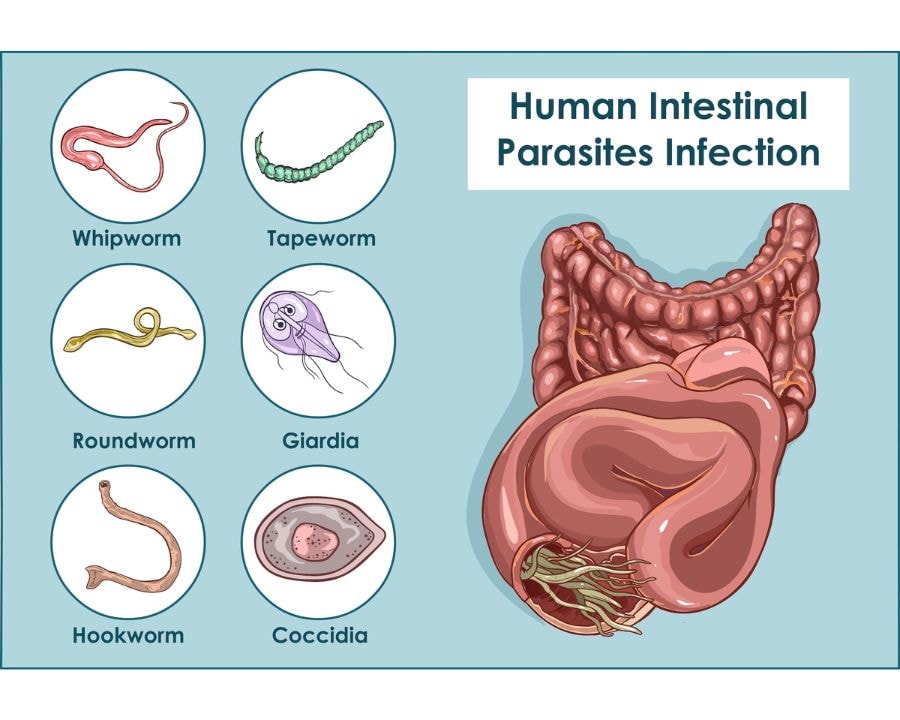
Intestinal parasites commonly affecting humans include protozoa like Giardia and Entamoeba and helminths such as roundworms, tapeworms, and flukes. These organisms complete their life cycle either entirely within the human host or require intermediate hosts for transmission.
Parasitic infections typically occur through contaminated food and contaminated water, contact with infected individuals, or consuming raw or undercooked meat. Poor hygiene practices and travel to high risk areas increase exposure risks significantly.
The connection between symptoms of a parasite and cleanse marketing claims often lacks specificity. Symptoms like bloating, fatigue, abdominal pain, and unexplained weight loss can result from numerous conditions, making self-diagnosis problematic without proper diagnosis from a healthcare professional.
3. Why People Consider Parasite Cleanses Important
Popular social media influencers and natural health practitioners frequently claim widespread parasitic infections affect millions of people unknowingly. These claims suggest that symptoms like chronic fatigue, digestive issues, skin problems, and muscle aches indicate hidden parasitic infections requiring immediate cleansing.
The appeal of parasite cleanse diets stems from their promise of addressing multiple health concerns through natural ingredients rather than pharmaceutical intervention. Many people prefer DIY health solutions that seem safer than prescription medications, especially when dealing with vague symptoms that haven’t received satisfactory medical explanations.
However, critical analysis reveals little research supporting these widespread infection claims. In developed countries with proper sanitation, parasitic infections remain relatively uncommon outside specific risk groups. The therapeutic efficacy of commercial parasite cleanses lacks validation through rigorous clinical trials, with most evidence limited to laboratory studies and animal studies rather than human research.
Marketing often exploits fear by suggesting that conventional medicine overlooks parasitic infections, when in reality, healthcare providers routinely test for parasites when clinically indicated.
4. Parasite Cleanse Methods Comparison Table
|
Method |
Duration |
Scientific Evidence |
Safety Profile |
|---|---|---|---|
|
Herbal supplement protocols |
2-4 weeks |
Very limited |
Moderate risk |
|
Parasite cleanse products (commercial kits) |
1-3 months |
None established |
Unknown ingredients |
|
Dietary changes only |
Ongoing |
Indirect benefits |
Generally safe |
|
Essential oils protocols |
2-6 weeks |
Laboratory only |
High risk if internal use |
|
Traditional herbal combinations |
1-2 months |
Historical use only |
Variable |
|
Medical antiparasitic treatment |
Days to weeks |
Proven efficacy |
FDA regulated |
The comparison shows that while medical treatment offers proven results with regulated safety profiles, natural approaches lack robust evidence despite higher costs and potential risks.
5. Step-by-Step Guide to Natural Parasite Cleanse Protocols
Step 1: Assessment and Preparation
Before starting any parasite cleansing protocol, consult with a healthcare provider to rule out other conditions causing your symptoms. Never self-diagnose based on internet symptom checklists or marketing materials from parasite cleanse companies.
Essential preparation includes reviewing your health history for conditions that might contraindicate herbal supplements, such as liver disease, pregnancy, or concurrent medications. Please document your current symptoms objectively instead of assuming they indicate a parasitic infection.
Warning signs requiring immediate medical evaluation include severe abdominal pain, persistent diarrhoea with blood, high fever, or unexplained weight loss exceeding 10 pounds. These symptoms may indicate serious conditions requiring prompt medical treatment.
Step 2: Herbal Supplement Protocol
Popular antiparasitic herbs include wormwood (containing artemisinin compounds), oregano oil (with carvacrol), and berberine-containing plants like goldenseal, thyme, and ginger. However, more research is needed to establish optimal dosages and safety profiles for these herbal supplements.
Typical protocols suggest taking herbal combinations for 2-4 weeks, followed by a rest period. However, dosage recommendations vary widely between manufacturers, and herbal medicine products lack standardisation for active compounds.
Safety considerations include potential liver toxicity with wormwood, blood-thinning effects with some herbs, and interactions with other medications. Pregnant women, children, and individuals with chronic health conditions should avoid these protocols entirely.
Step 3: Dietary Modifications
Dietary changes during parasite cleanses typically emphasise eliminating processed foods, refined grains, and greasy foods while increasing fibre-rich options. The rationale suggests that parasites thrive on sugar and processed foods, though scientific evidence for this mechanism remains limited.
Recommended foods include probiotic foods for gut health, pumpkin seeds (traditionally used for deworming), garlic, and coconut oil. A balanced diet with whole grains, fresh vegetables, and adequate hydration supports overall wellbeing regardless of parasitic status.
Avoiding greasy and ultra processed foods provides general health benefits beyond any potential antiparasitic effects. However, extreme dietary restrictions can lead to nutritional deficiencies and should not replace proper treatment for confirmed infections.
Step 4: Monitoring and Evaluation
Track any changes in symptoms and note potential side effects from herbal supplements. Common adverse reactions include digestive upset, headaches, and allergic reactions to plant compounds.
Realistic expectations recognise that symptom improvement may result from other factors like improved diet quality, reduced stress, or placebo effects rather than parasite elimination. So called “die-off reactions” claimed by cleanse advocates lack scientific verification.
Discontinue the protocol immediately if severe side effects occur, and seek medical attention for worsening symptoms. Remember that effective antiparasitic treatment typically shows rapid improvement within days, unlike the prolonged protocols suggested for natural cleanses.

6. Common Mistakes to Avoid
Self-diagnosing parasitic infections represents the most serious error, as many conditions produce similar symptoms. Without proper diagnosis through stool testing or other medical evaluation, you may delay appropriate treatment for the actual underlying condition.
Using unregulated dietary supplements with unknown dosages or ingredients poses significant risks. Many parasite cleanse products lack quality control, potentially containing contaminants or incorrect concentrations of active compounds.
Delaying proper treatment for actual parasitic infections can lead to serious complications. Real parasitic infections require medical treatment with proven antiparasitic medication rather than herbal alternatives with questionable effectiveness.
Ignoring contraindications represents another critical mistake. Many people assume natural ingredients are inherently safe, but herbs can interact with medications and cause serious adverse effects in susceptible individuals.
Pro Tip: Always consult healthcare professionals for persistent digestive symptoms lasting more than two weeks. Effective treatments exist for confirmed parasitic infections, but they require accurate diagnosis first.
7. Real-Life Case Study and Medical Perspective

Case Study: A 32-year-old woman experienced chronic bloating, fatigue, and intermittent abdominal pain for three months. After researching online, she suspected parasitic infection and purchased a commercial parasite cleanse kit costing .
Following the herbal supplement protocol for six weeks, her symptoms initially seemed to improve, which she attributed to parasite elimination. However, symptoms returned more severely after completing the cleanse, prompting her to finally seek medical treatment.
Medical evaluation included comprehensive stool testing for parasites, blood work, and imaging studies. Results revealed no evidence of parasitic infection but indicated small intestinal bacterial overgrowth (SIBO) and lactose intolerance. The appropriate treatment plan included specific antibiotics and dietary modifications targeting the actual conditions.
Dr. Sarah Martinez, a gastroenterologist at University Medical Center, explains: “We frequently see patients who’ve tried parasite cleanses for gastrointestinal symptoms. While I appreciate patients taking interest in their health, self-treatment delays proper diagnosis and can worsen underlying conditions. Parasitic infections require specific testing and targeted therapy—there’s no substitute for accurate diagnosis.”
The patient’s complete symptom resolution occurred within three weeks of receiving evidence-based medical treatment, highlighting the importance of professional evaluation over self-treatment approaches.
8. Benefits of Specific Parasite Cleanse Supplements
While the overall scientific evidence for parasite cleanses remains limited, certain supplements used correctly as part of a comprehensive parasite cleanse protocol may offer beneficial effects. Our Parasite Cleanse collection includes carefully formulated products designed to support the body’s natural defenses against parasites and promote digestive health.
- NATURE FRESH Viro-BAN contains ingredients that support immune system function and help maintain a balanced internal environment, which is crucial during parasite cleansing.
- KINESIO BALANCE Candida, Parasites and IB Formula targets multiple digestive concerns, including parasitic infections and candida overgrowth, promoting gut health and reducing symptoms associated with intestinal imbalances.
- WILLOW Worms & Parasites combines traditional herbal extracts known for their antiparasitic properties, supporting the elimination of parasitic worms and their eggs.
- AIM Para 90 is formulated with potent natural ingredients aimed at disrupting parasite life cycles and assisting in cleansing the digestive tract.
- PHYTO FORCE Walnut Black utilises black walnut hulls, a traditional herbal remedy reputed for antiparasitic effects, helping to create an unfavourable environment for parasites.
- PHYTO FORCE African Wormwood contains wormwood, a herb with compounds studied for their ability to combat certain parasites, contributing to parasite control when used responsibly.
When incorporated into a balanced diet and used according to recommended guidelines, these supplements may enhance the effectiveness of a parasite cleanse by supporting the immune system, promoting gut health, and directly targeting parasitic organisms. It is important to follow dosing instructions and consult a healthcare professional to ensure safety and appropriate use, especially for individuals with pre-existing health conditions.
Our Parasite Cleanse collection offers these supplements as part of a holistic approach to parasite management, emphasising natural ingredients with traditional use and emerging supportive evidence. This collection is designed to complement medical advice and should not replace professional diagnosis or treatment for confirmed parasitic infections.
9. FAQs about Parasite Cleanses
Do parasite cleanses actually work to eliminate parasites?
Limited research supports their effectiveness in humans. While some herbs show anti parasite properties in laboratory studies, no large-scale clinical trials demonstrate that commercial parasite cleanses effectively treat parasites in real-world conditions.
Are natural parasite cleanses safe for everyone?
No, they pose risks for many individuals. Herbal supplements can cause liver toxicity, interact with other medications, and aren’t safe for pregnant women, children, or people with certain health concerns. More harm than benefit may result from unsupervised use.
How do I know if I have parasites?
Only medical professionals can accurately diagnose parasitic infections through stool testing, blood work, or imaging. Symptoms alone aren’t reliable indicators, as many conditions cause similar gastrointestinal and systemic complaints.
What’s the difference between parasite cleanse and medical treatment?
Medical treatment uses proven antiparasitic drugs with established dosing and monitoring protocols. Parasite cleanses rely on unproven herbal medicine combinations without standardized formulations or demonstrated clinical efficacy for treating parasites.
10. Conclusion: Key Takeaways
Scientific evidence supporting parasite cleanse effectiveness remains extremely limited, with most research confined to laboratory studies rather than human clinical trials. While some herbal supplements demonstrate antimicrobial properties in controlled settings, this doesn’t translate to proven therapeutic benefit for parasitic infections in humans.
Medical evaluation provides the only reliable method for diagnosing parasitic infections, as symptoms attributed to parasites often result from other factors including dietary intolerances, bacterial overgrowth, or inflammatory conditions requiring different treatment plans.
Safer prevention strategies focus on proven methods: proper food handling, thorough cooking of meat, washing produce, maintaining good hygiene, and exercising caution when traveling to areas with poor sanitation. These approaches prevent parasitic infections more effectively than any cleansing protocol.
Healthcare providers offer evidence-based treatments when parasitic infections actually occur, using antiparasitic medication with established safety profiles and proven efficacy. Rather than pursuing unproven parasite cleansing protocols, consult medical professionals for persistent symptoms to receive appropriate treatment based on accurate diagnosis.
The potential benefits of improved diet and lifestyle changes during cleanse protocols may provide some overall well being improvements, but these result from general health measures rather than parasite elimination. Focus on maintaining a healthy diet, supporting your immune system, and seeking professional medical care when health concerns arise.